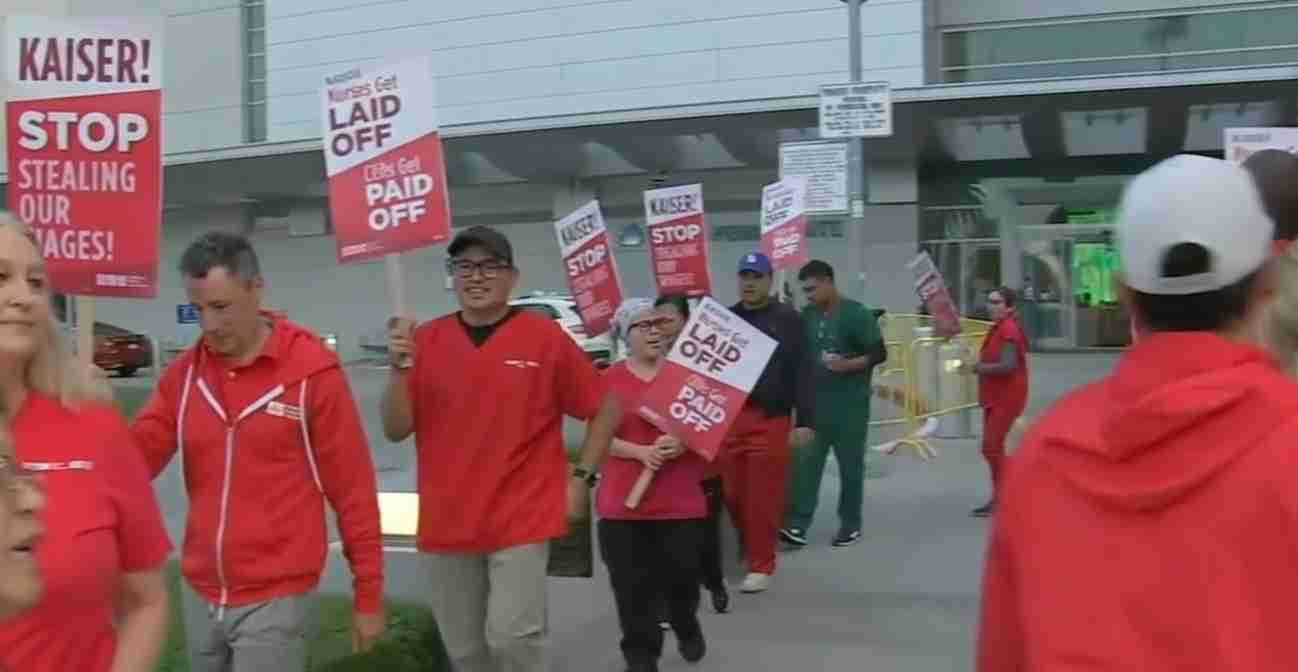
Planned 5-day strike at Kaiser Permanente health care facilities ends after three days; talks to resume amid staffing disputes
A planned five-day strike by more than 75,000 Kaiser Permanente workers began Oct. 4, 2023, but ended after three days on Oct. 7 when both sides agreed to resume contract talks over staffing, wages and subcontracting disputes.
- More than 75,000 members of the Coalition of Kaiser Permanente Unions joined the walkout starting Oct. 4, affecting hundreds of hospitals and clinics across multiple states.
- The strike targeted chronic staffing shortages, pay behind inflation, burnout and the use of subcontracting and temporary labor.
- Essential and emergency services remained available; elective procedures were delayed in some locations while contingency staffing measures were used.
- Negotiations have resumed; union leaders warned future strikes are possible if substantive progress is not made.
What happened — the strike and its aims
The Coalition of Kaiser Permanente Unions described the action as one of the largest U.S. health-care strikes in recent memory. Participants included nurses, medical assistants, lab technicians, pharmacists and support staff. Union leaders outlined three central complaints: chronic staffing shortages that strain patient care, pay that has fallen behind the cost of living, and rules allowing subcontracting and use of temporary labor (Sources: Coalition of Kaiser Permanente Unions, Reuters).
Union leaders said the walkout was intended to force a reset at the bargaining table and to show cross-regional solidarity. Kaiser Permanente said it acknowledged picket lines but had contingency staffing plans to keep emergency care and hospitals running. During the three-day action, some nonurgent procedures were delayed and patients were warned of slower scheduling for elective care (Sources: Associated Press, Reuters, Los Angeles Times).
Impact on patients and services
Kaiser officials emphasized that emergency services remained open and most urgent-care centers continued to operate. The system relied on temporary staff, reassigned clinicians and curtailed elective procedures to maintain core services. Nevertheless, patients in some areas experienced delays for nonemergency appointments and procedures, raising concern about timely access to care.
Transparency and local communication became focal points: unions warned understaffing risks patient safety, while Kaiser highlighted recruitment drives aimed at reducing reliance on temporary labor (Sources: New York Times, Los Angeles Times, Kaiser Permanente newsroom).
Why staffing shortages matter now
The dispute highlights persistent sector-wide pressures since the pandemic: staff turnover, early retirements and burnout have left many systems stretched. Staffing shortages can slow care, increase wait times and elevate risk of errors when clinicians are overtasked. Reliance on temp agencies also raises long-term costs and erodes continuity of care (Sources: Reuters, Associated Press).
Negotiations now — what’s on the table
After the strike ended early on Oct. 7, both sides returned to bargaining. Key negotiation points include:
- Wage increases and cost-of-living adjustments tied to inflation.
- Clear minimum staffing ratios or staffing commitments to protect patient safety and reduce burnout.
- Limits on subcontracting and stricter rules governing temporary workers.
- Improved benefits, job protections and enforceable mechanisms for safe staffing.
Union leaders set timetables and warned that further walkouts are possible if substantive progress is not achieved. Kaiser said it is willing to continue talks and emphasized recruitment plans to hire thousands systemwide. Both sides framed the three-day action as a warning strike meant to push bargaining forward without long-term disruption to patient care (Sources: Reuters, New York Times).
Statements from stakeholders
Coalition of Kaiser Permanente Unions: Union spokespeople called the strike a success for solidarity and visibility, saying it drew national attention to systemic issues and strengthened their bargaining position. (Source: Coalition of Kaiser Permanente Unions)
Kaiser Permanente leadership: Kaiser issued statements emphasizing continuity of patient care, recruitment efforts and the desire to reach a fair agreement, noting contingency plans were in place. (Source: Kaiser Permanente newsroom)
Independent reporting documented both the scale of the walkout and regional effects, noting disruptions to elective care alongside Kaiser’s efforts to maintain emergency services (Sources: Associated Press, Reuters, New York Times, Los Angeles Times).
Potential for future action
Union leaders have not ruled out further strikes and have set negotiation deadlines. Kaiser has signaled a preference for bargaining to avoid additional labor disruption. The credible threat of future walkouts is likely to shape both the pace and content of any final agreement.
Broader context: what this means for U.S. health care
The Kaiser action is part of a broader wave of health-care worker strikes in 2023. Observers say how Kaiser and its unions resolve their dispute could influence patterns at other large systems wrestling with staffing, wages and subcontracting policies.
Implications for Redding, California
Economic impact
Redding residents who are Kaiser members may have relied on regional clinics or traveled for specialty care. Delays at nearby Kaiser facilities could push patients to local providers, increasing demand and costs for Redding-area clinics and hospitals. Kaiser’s hiring commitments could intensify local competition for health workers, potentially driving up wages and staffing costs in the region (Sources: Associated Press, Reuters).
Political consequences
Local leaders and conservative voters in Redding typically prioritize steady emergency access and fiscal responsibility. Contract outcomes that increase wages or staffing guarantees could be watched closely for downstream effects on insurance premiums, employer costs and public budgets (Sources: New York Times, Los Angeles Times).
Social effects
Repeat disruptions would inconvenience patients needing routine or elective care and could delay diagnosis or treatment. Health worker morale in the region may feel ripple effects; competing wage pressures could help recruitment but also alter local staffing dynamics.
Cultural relevance and practical applications
Practical steps for Redding residents: Verify appointments in advance, stay in contact with local providers for urgent needs, and consider temporary alternatives if regional Kaiser scheduling is delayed.
For local employers and policymakers: Monitor negotiations for potential cost impacts on health benefits and workforce availability; support local training programs for nurses and technicians to build long-term staffing resilience.
Sources for reporting and further reading
- Associated Press
- Reuters
- The New York Times
- Los Angeles Times
- Coalition of Kaiser Permanente Unions
- Kaiser Permanente newsroom
The Kaiser Permanente strike ends for now, but negotiations continue. Staffing shortages, wage demands and subcontracting rules remain central issues that could affect patient access, local job markets and health system costs as talks proceed.