
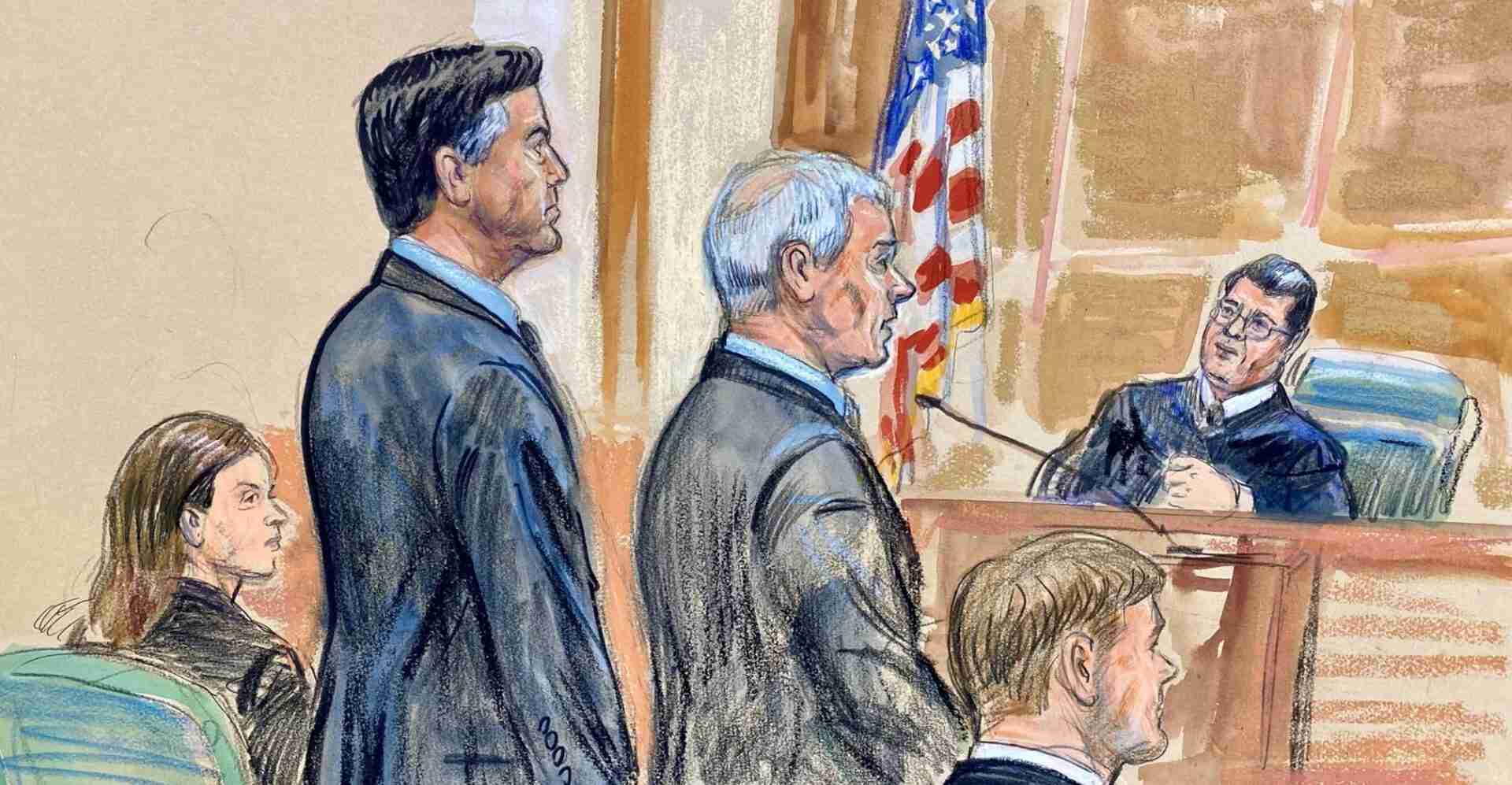
Judge’s discovery demands could hobble Trump administration’s prosecution of James Comey
A federal judge in Alexandria has ordered broad discovery in the Trump administration’s prosecution of former FBI Director James Comey, raising the prospect that internal communications could reveal political motives and threaten the viability of the indictment.
Key takeaways
- Two-count indictment: Comey faces charges for alleged false statements to Congress and obstruction of a congressional proceeding, per CBS News.
- Judge demands broad discovery: The court has ordered internal memos, communications and decision documents that could show motive, highlighted by the Brennan Center.
- Declination memo and leadership changes: Senior prosecutors reportedly recommended not charging; leadership shifts followed and a less experienced prosecutor was assigned (Brennan Center, CBS News).
- Dismissal risk: If discovery shows political interference, legal experts say the indictment could be dismissed or otherwise undercut before trial (Brennan Center).
Judge presses for broad discovery
The court has insisted on expansive disclosures. Discovery normally involves witness lists and evidentiary documents, but the presiding judge has demanded internal memos, communications and decision materials that could illuminate why prosecutors pursued charges.
This request goes beyond routine practice in politically sensitive prosecutions, potentially forcing revelation of deliberations within the U.S. Attorney’s Office and even conversations involving the White House, observers note (Brennan Center).
“The judge signaled that routine disclosures are not enough; internal deliberations are central to claims of selective prosecution.”
Why discovery matters here
Discovery could reveal whether political considerations influenced charging decisions. President Trump publicly called for action against Comey after 2016 and has repeatedly criticized him; those public statements are central to the defense strategy (CBS News).
While prosecutors often resist disclosure of internal deliberations, a judge may order such materials when they are central to a selective-prosecution claim. If internal documents link charging decisions to political pressure, the prosecution could be severely compromised.
Declination memo and leadership changes
Reporting indicates senior career prosecutors drafted a declination memo arguing the evidence did not support charges. Following that memo, leadership changes occurred in the Virginia U.S. Attorney’s Office and a less experienced prosecutor took over at the administration’s request (Brennan Center; CBS News).
Defense counsel can use that sequence to argue selective prosecution — that charges were pursued because of politics rather than evidence. If discovery shows corroborating internal messages, prosecutors’ position could be deeply weakened.
Defense strategy: public comments and internal records
Comey’s lawyers plan to combine the president’s public statements with any internal Justice Department records to argue selective or vindictive prosecution. The legal standard is demanding: defendants must show impermissible selection based on a protected ground and disparate treatment of similarly situated individuals.
Still, this case is unusual because the president’s demands are on the record; if memos show officials referenced those demands when pressing charges, the defense could construct a credible claim of political motivation (Brennan Center).
Legal experts: dismissal risk and double jeopardy
Analysts note dismissal for selective prosecution is rare, but the public nature of the statements and reported internal resistance make this a stronger-than-usual example. If the judge finds improper political motives, he could dismiss the indictment before trial.
There is also a procedural risk for prosecutors: an acquittal would invoke the Double Jeopardy Clause and bar retrial on the same charges (Brennan Center).
Prosecutorial independence at stake
Observers across the political spectrum warn that prosecutorial independence — a core safeguard intended to keep criminal prosecutions free of political direction — is on trial. Post-Watergate reforms aimed to insulate prosecutors from political control; this case tests whether those protections remain effective.
If discovery reveals leadership changes and charging influenced by White House officials, critics will argue the Justice Department permitted politicized prosecutions (Brennan Center).
Prosecution’s challenges moving forward
Even absent a conclusive smoking-gun, the administration faces procedural hurdles and political fallout. The defense will press selective-prosecution claims; prosecutors must substantiate both the evidentiary basis and the integrity of the decision-making process.
Public scrutiny is also a practical risk: internal emails and notes disclosed through broad discovery can be taken out of context and shape public opinion — potentially affecting juror pools in a highly charged environment (CBS News).
Implications for Redding, California
Economic impact
- Legal costs: Prolonged federal proceedings can increase taxpayer-funded legal expenditures and indirectly affect local budgets.
- Business climate: Political prosecutions create regulatory uncertainty; businesses tied to federal contracts may monitor the case for signs of politicized enforcement.
Political consequences
- Local politics: Conservative voters in Redding may view this as a test of prosecutorial independence and call for stronger protections against political interference.
- Voter sentiment: The case could appear in local campaigns, benefiting candidates who emphasize checks on federal power and nonpartisan justice.
Social effects
- Trust in institutions: Revelations of political influence could erode public trust among residents who feel disconnected from Washington.
- Civic engagement: High-profile litigation often spurs town halls, opinion pieces and civic activism by local groups.
Cultural relevance
Redding’s conservative community values fairness and accountability; the discovery fight touches on those values and may resonate with local voters demanding equal treatment under the law.
Practical applications for residents
- Watch local messaging: Shasta County elected officials may reference the case when discussing federal overreach and prosecutorial reform.
- Monitor federal spending: Residents concerned about resource use can query representatives about oversight and budget impacts of extended prosecutions.
Sources and further reading
- CBS News reporting on the indictment and political context.
- Brennan Center analysis on prosecutorial independence and the Comey indictment.



