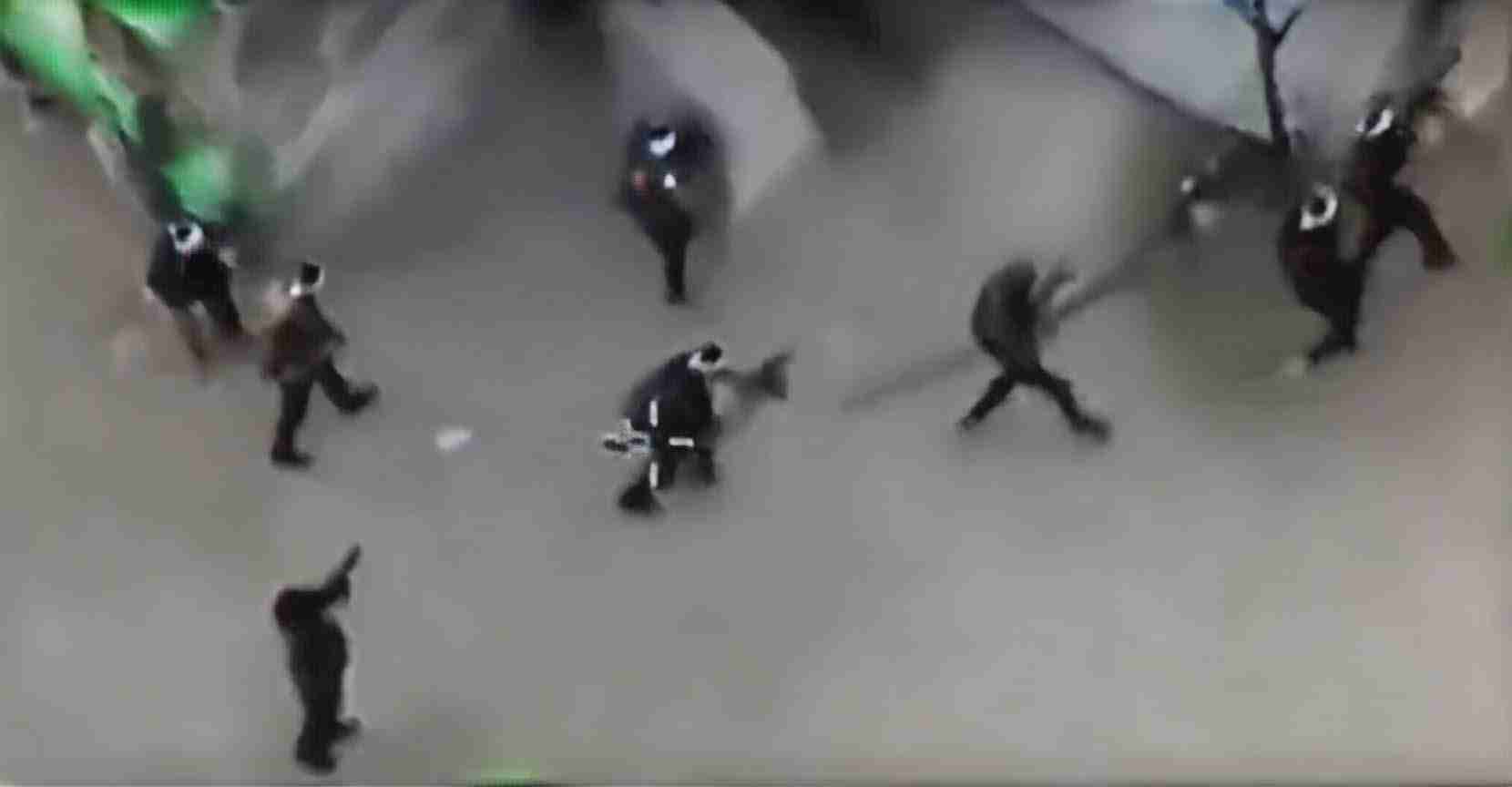
Hamas-clan fighting leaves dozens dead in Gaza as internal security collapses ahead of hostage exchange
In early October 2025, fierce clashes between Hamas and powerful local clans in Gaza killed dozens, broke out hours before a planned hostage exchange, and underscored the collapse of internal security and fractured governance across the besieged territory.
- Dozens killed in multiple clashes in Khan Yunis and Gaza City as intra-Palestinian violence surged.
- Security vacuum after the Israeli invasion enabled clans, gangs and new militias to challenge Hamas control.
- Hostage exchange proceeded amid the unrest, highlighting political signaling and continued instability.
Khan Yunis raid in detail
Oct. 3, 2025 — Hamas launched a pre-dawn operation in Khan Yunis targeting the al-Mujaida clan and the al-Mujaida Quarter. Accounts of the raid’s size differ: witnesses reported roughly 250 Hamas gunmen moving in during Fajr prayers, while other sources estimated about 50 fighters. (October 2025 Hamas raid in Khan Yunis (Wikipedia))
Hamas said it targeted clan members accused of killing two Al-Qassam Brigades members in September 2025, collaborating with Israel, and diverting humanitarian aid. Local residents and clan members accused Hamas of opening fire on homes as people prayed, and of heavy street fighting. Initial reports claimed five al-Mujaida members were killed on arrival and that the clan later displayed the bodies of 11 Hamas operatives, though Hamas acknowledged fewer losses. These conflicting casualty figures highlight the fog of war and the difficulty of verification in Gaza.
Gaza City fighting and the Doghmush clan
Violence also erupted in Gaza City’s Sabra neighborhood, historically associated with the Doghmush family militia. Hamas gunmen raided the area after accusing the clan of attacking Hamas forces; the Doghmush denied the accusations and said Hamas used the ceasefire window to target them for alleged cooperation with Israel. One relative described:
“Children are screaming and dying, they are burning our houses. We are trapped. I don’t know how they entered with all kinds of weapons.”
Casualty counts vary. One account put the toll at 52 Doghmush members and 12 Hamas militants; other medical sources reported that by Oct. 13 at least 19 Doghmush members and eight Hamas fighters had died since the clashes began. Among the dead were a Gaza-based blogger who publicly celebrated the Oct. 7 attacks and the son of a senior Hamas official. (See “Dozens killed as Gaza violence erupts between Hamas and armed clans” (Fox News) and Clashes erupt between Hamas forces and armed clan members in Gaza City (ARM Radio).)
The broader picture — Gaza security collapse
Analysts say these clashes are part of a larger breakdown of law and order after the Israeli invasion, during which Hamas reportedly lost effective control over roughly 80% of Gaza. The resulting power vacuum allowed criminal gangs, clan militias, and newly emergent armed groups to expand. Observers counted up to a dozen new armed groups openly opposing Hamas by late September 2025. (October 2025 Hamas raid in Khan Yunis (Wikipedia))
An ACLED-based tally compiled in reporting recorded more than 220 intra-Palestinian violent incidents since October 2023, and roughly 400 Palestinian deaths tied to those events. Looting, theft of aid, and gang violence surged after Israeli strikes ended a ceasefire in March 2025, making movement of goods and people more dangerous and deepening the humanitarian crisis.
Hostage exchange and political signaling
The clashes began within hours of an expected hostage release. Israeli officials said Hamas would hand over 20 living hostages to the Red Cross, who would transport them in six to eight vehicles under supervision before turning them over to Israeli forces inside Gaza. Prime Minister Benjamin Netanyahu described the exchange as “the beginning of a new path,” while Israel’s president cautioned that the campaign was not over and security challenges remained. (Dozens killed as Gaza violence erupts between Hamas and armed clans (Fox News))
Simultaneously, three anti-Hamas militias publicly endorsed President Trump’s peace proposal and rejected Hamas rule — a split that illustrates how local actors seek outside political cover to legitimize challenges to Hamas.
Hamas’s response and attempts at reasserting control
Following the violence, Hamas’s Interior and National Security Ministry announced a “clemency framework” to allow militia members and criminals who had not taken part in killings to surrender safely by a set date, warning that those who refused would be “punished severely.” The move appears aimed at inducing defections and reestablishing order, but it also signals Hamas recognizes its grip is fraying.
The split between mosque-based political authority, clan loyalties, and armed groups complicates any effort to restore stable governance. Analysts warn that if Hamas cannot reliably police Gaza, the territory risks fragmentation into competing fiefdoms controlled by militias and gangs.
Reporting and verification challenges
Independent verification in Gaza is severely limited. Casualty figures vary by source and side, and many local accounts come through social media, hospitals, clan spokespeople, and Gaza-based broadcasters. International reporters and humanitarian agencies have constrained access, so several details remain contested in real time. Major accounts of the Khan Yunis raid and Gaza City clashes are documented in contemporaneous reporting and consolidated entries such as October 2025 Hamas raid in Khan Yunis (Wikipedia) and related news coverage.
Implications for Redding, California
Economic Impact
- Humanitarian aid flows and donor priorities can affect charities and faith-based groups in Redding that raise funds for Gaza relief; disruption and looting may reduce donation effectiveness.
- Local businesses supplying relief goods or partnering with NGOs could face delays, higher shipping costs, and insurance complications.
Political Consequences
- The violence spotlights U.S. foreign policy debates among conservative voters in Redding about support for Israel, counterterrorism, and humanitarian assistance.
- Public endorsements of external peace proposals by some Gaza militias may be invoked in local political discussions to argue for policies emphasizing order and deterrence.
Social Effects
- Redding’s faith and volunteer communities may mount renewed fundraising and interfaith dialogues focused on civilian protection.
- Families with ties to the region could experience heightened anxiety and grief as coverage highlights civilian suffering and lawlessness.
Practical Applications
- Local NGOs and policymakers may review disaster-response plans, increase vetting of partners, and demand greater transparency from international relief organizations.
- Schools, churches, and civic groups can organize vetted briefings and expert talks to clarify differences between Hamas, clan actors, and likely trajectories of violence or stabilization.
Sources and further reading
- October 2025 Hamas raid in Khan Yunis (Wikipedia)
- “Dozens killed as Gaza violence erupts between Hamas and armed clans” (Fox News)
- Clashes erupt between Hamas forces and armed clan members in Gaza City (ARM Radio)
This reporting draws on contemporaneous accounts and compiled summaries from the cited sources. Readers should note casualty figures and on-the-ground details remain disputed due to limited independent access.