Voting Underway in 2025 California Election as Newsom Pushes Redistricting Plan That Could Shift U.S. House Balance
California voters are weighing Proposition 50 in a 2025 special election that would temporarily return congressional mapmaking to the state Legislature. Governor Gavin Newsom frames it as retaliation against Republican-drawn maps, a move with national House implications.
- Proposition 50 would pause the independent Citizens Redistricting Commission and give the Legislature mapmaking authority from 2026–2030.
- Backers say the change could yield up to five additional Democratic seats as a counter to GOP maps in other states.
- Opponents call it a partisan power grab that reverses voter-approved reforms and may face court challenges.
- Legal and practical questions remain about timing, litigation, and effects on local communities like Redding.
What Proposition 50 would do
Proposition 50 appears on the 2025 special election ballot as a constitutional amendment. If approved, the state Legislature would temporarily gain authority to draw California’s congressional districts for the 2026, 2028 and 2030 elections, overriding the Citizens Redistricting Commission created by voters in 2008. (Source: 2025 California Proposition 50)
Why Newsom and allies framed the move as necessary
Governor Gavin Newsom has framed the measure as a direct response to Republican-drawn maps in states like Texas and Missouri, calling it necessary to “fight fire with fire.” The administration portrays the proposal as targeted and temporary, intended to protect California’s influence on the balance of power in the U.S. House going into 2026. (Source: California Governor’s statement on redistricting response)
Who supports Proposition 50
Supporters include high-profile national Democrats and progressive funders. Public endorsements and backing have come from:
- Leaders: former President Barack Obama, Vice President Kamala Harris, former House Speaker Nancy Pelosi.
- Funders: progressive groups, labor unions, political action committees; reporting indicates a $10 million donation from George Soros to back the effort.
- Messaging: supporters argue the changes are a necessary counter to partisan gerrymanders elsewhere.
Who opposes it
Opposition spans political lines. Key opponents include Republican groups (including a committee linked to former House Speaker Kevin McCarthy) and donors who originally supported the independent commission.
- Committees: “Stop Sacramento’s Power Grab” and “Protect Voters First” have led organized opposition.
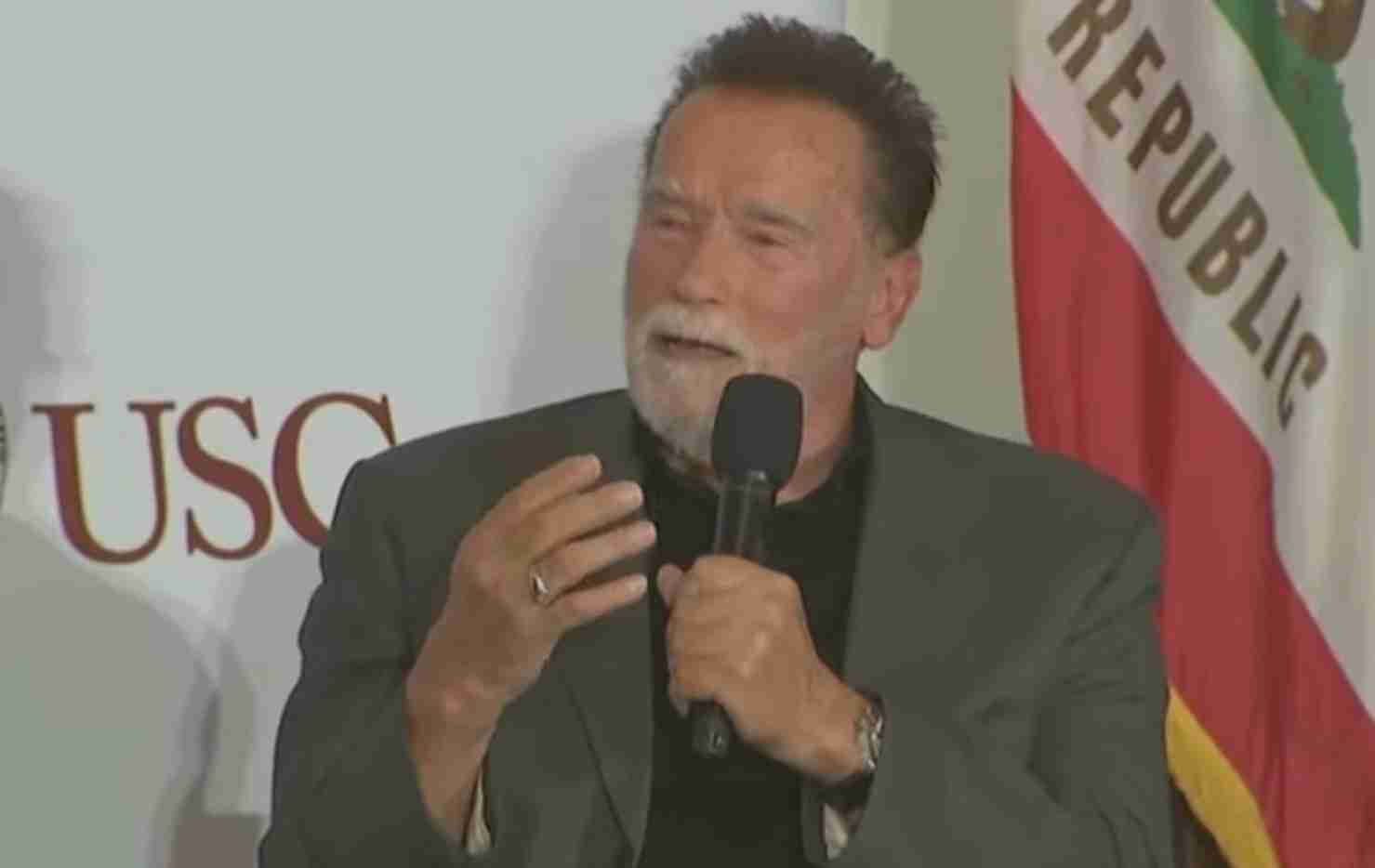
- Notable critics: former Governor Arnold Schwarzenegger and some Democrats worry the change undoes voter-approved reforms.
Campaign tactics and spending
The 2025 special election has become a well-funded, high-intensity contest. Both sides have spent heavily on advertising, outreach and endorsements. Opponents depict the measure as a partisan power grab; supporters counter that it is a strategic response to partisan maps in other states.
Legal questions and likely court fights
If Proposition 50 passes, courts will likely be asked to adjudicate whether a voter-approved independent system can be temporarily suspended. Legal challenges could delay the implementation of any new maps and raise questions about whether changes could take effect for the 2026 midterms. Timing and judicial rulings could determine whether new districts are usable for upcoming federal elections.
How the plan could affect the U.S. House in 2026
Analysts estimate the Newsom redistricting plan could net Democrats up to five additional congressional seats in California. That gain is framed as a counterbalance to expected Republican pickups in states where GOP-led maps favor their party. The net national effect could be small, but control of the House might hinge on a handful of seats.
Questions for voters and the courts
Key questions include:
- Will Californians accept suspending the independent commission that was created by voters?
- Can the Legislature be trusted to draw fair maps given recent examples of partisan redistricting elsewhere?
- How will courts respond if asked to rule on reversing a voter-approved reform?
Implications for Redding, California
Economic impact: Redding may see limited direct economic effects, though federal representation could shift and influence funding priorities like wildfire mitigation, water infrastructure, and rural development.
Political consequences: Conservative voters in Redding worry the proposal could dilute conservative voices by moving the city into districts designed to favor Democrats, making it harder for local conservative candidates to win.
Social and cultural effects: New district lines could change constituent service priorities. Redding’s local political culture emphasizes local control and limits on centralized power; suspending the independent commission may conflict with those values for many residents.
Practical advice: Redding voters should check local polling locations, review county election office guidance, and monitor legal developments that could change timelines for new maps and their effect on ballots.
Sources and further reading
- California Governor’s statement on redistricting response
- Wikipedia overview of 2025 California Proposition 50
The vote on Proposition 50 and the broader redistricting fight will shape how California balances state power, independent oversight and national partisan strategy, with litigation, spending and close margins keeping the issue in the headlines through the 2026 midterms.