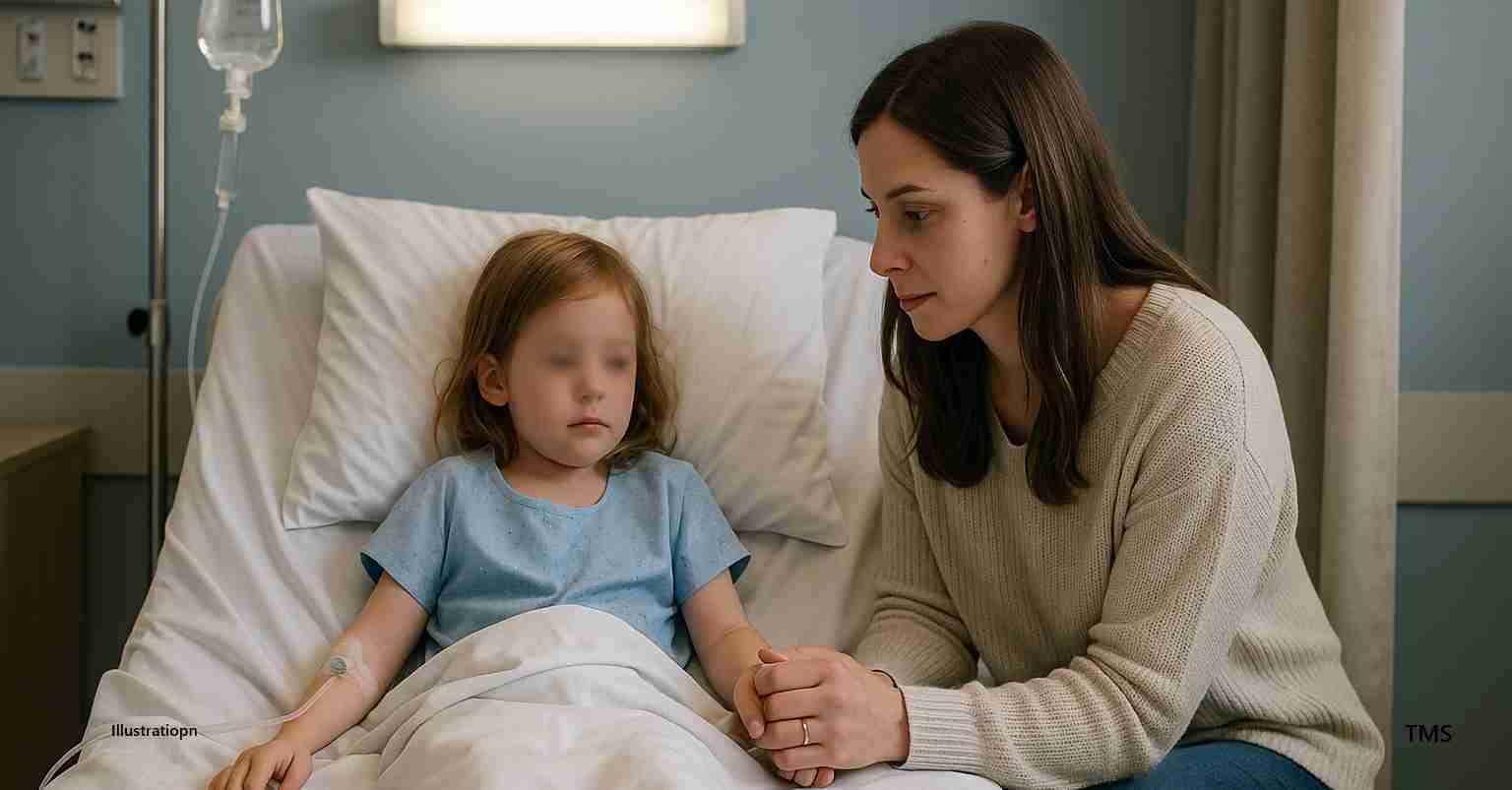
Hidden infection kills millions of children each year as doctors warn of overlooked symptoms
Sepsis — a severe, body-wide response to infection — kills millions of children worldwide each year. Early signs are often vague in infants and older children, making prompt recognition and treatment critical to survival and to limit long-term harm.
Key takeaways
- Sepsis is a life-threatening, body-wide reaction that can follow almost any infection — awareness and early action save lives (American Hospital Association, Yale Medicine).
- Global burden is enormous: roughly 25 million pediatric hospital admissions and millions of child deaths are linked to sepsis annually (American Hospital Association).
- Early signs are often subtle — fever or low temperature, sleepiness, breathing or heart-rate changes, vomiting or pale/mottled skin — so parental vigilance matters (CDC, Yale Medicine).
- Prevention through vaccination, hygiene, wound care and community awareness is central to reducing deaths (American Hospital Association, CDC).
What is sepsis — and why is it a “hidden” killer?
Sepsis occurs when an infection gets out of control and the body mounts a damaging, systemic response that can injure organs. It may begin with a routine ear, lung, skin or urinary infection — viral or bacterial — that is severe or untreated. Public health analyses and expert reviews underline the scale: sepsis drives roughly 25 million pediatric hospital admissions and millions of deaths worldwide, with the heaviest burden in low- and middle-income countries (American Hospital Association, Wolters Kluwer).
Why sepsis is so hard to spot in children
Part of the danger is symptom overlap with common childhood illnesses. Early signs can be mild or atypical — a parent or clinician may hear “just a fever” or “a stomach bug.” Common early symptoms include:
- Fever, or sometimes low body temperature (American Hospital Association).
- Being sleepier than normal or hard to wake (Yale Medicine).
- Fast or unusually slow heartbeat; breathing changes (CDC).
- Vomiting, dizziness, or dehydration (Yale Medicine).
- Pale or mottled skin and changes in alertness (CDC).
In infants, subtle signs such as poor feeding or decreased activity can be the first clue; because these are nonspecific, sepsis is frequently missed until severe (Yale Medicine).
Sepsis can follow minor infections
Alarmingly, sepsis does not require a dramatic starting infection. A small skin wound, a mild respiratory infection, or a urinary tract infection can escalate if bacteria enter the bloodstream or the immune response becomes overwhelmed. That makes home and clinic vigilance essential (CDC).
Why early detection matters — and what rapid treatment can do
Clinicians stress that “once sepsis sets in, minutes matter.” Early recognition and rapid treatment drastically improve the likelihood of survival and reduce long-term harm. Standard acute care may include prompt antibiotics, intravenous fluids and organ support such as breathing or blood-pressure interventions. Hospitals use fast-response protocols because delays raise the risk of death and lifelong complications (American Hospital Association, Yale Medicine).
Because no single test definitively diagnoses sepsis, clinicians combine history, physical exam, laboratory testing (blood, urine), imaging (X-ray, ultrasound) and close observation to make rapid decisions (Yale Medicine).
Prevention: what parents and communities can do now
Public-health leaders emphasize practical, high-impact measures families and communities can take to reduce sepsis risk.
Vaccination
Stay current with childhood immunizations. Vaccines prevent infections that can lead to sepsis — influenza, pneumococcal disease and meningitis among them. Where vaccine coverage is strong, sepsis cases and severe infections have fallen dramatically. Gaps in uptake leave children vulnerable (American Hospital Association, Wolters Kluwer).
Hygiene and wound care
Simple habits matter: teach handwashing, cover wounds and avoid sharing items that spread germs. Prompt cleaning and medical evaluation of cuts, bites or infected sores can stop infections before they progress (CDC).
Parental education and vigilance
Trust your instincts. If a child is much sleepier than normal, hard to wake, not drinking, having trouble breathing, or showing a skin-color or alertness change, seek evaluation immediately. Public campaigns teaching the phrase “not acting right” and common sepsis signs can save lives (CDC, Yale Medicine).
Healthcare system measures
Hospitals improve detection through screening tools, fast-track protocols for suspected sepsis and antimicrobial stewardship that balances necessary rapid antibiotics with resistance concerns. Better clinician training and clear transfer pathways are essential to timely care (Wolters Kluwer).
Calls to action from medical leaders
Research centers and clinical teams urge that pediatric sepsis be a public-health priority: because early symptoms are nonspecific, improved public education and clinician awareness are needed so sepsis is caught before it becomes life-threatening (American Hospital Association, Wolters Kluwer).
Practical advice for parents and caregivers
- Keep vaccinations up to date; ask your pediatrician about missed doses (American Hospital Association).
- Learn common sepsis signs and act early if a child is unusually sleepy, hard to wake, breathing rapidly, vomiting and unable to keep fluids down, or showing a change in skin color or alertness (CDC, Yale Medicine).
- Clean and monitor wounds; seek care for spreading infection signs (CDC).
- If a child deteriorates quickly or shows signs of shock — very pale/mottled skin, fainting, severe breathing trouble — get emergency care immediately (Yale Medicine).
Sepsis early detection in clinical practice
Hospitals use checklists and screening tools to identify children at risk; because no single diagnostic test exists, clinicians rely on combined clinical judgment, laboratory testing and imaging to act quickly. Antimicrobial stewardship programs support rapid, appropriate antibiotic use while limiting unnecessary prescriptions (Yale Medicine, Wolters Kluwer).
Implications for Redding, California
Economic impact
A child’s sepsis hospitalization can impose large costs on families — emergency care, ICU stays and follow-up care can strain budgets even with insurance. Local hospitals also face financial pressure when severe infection clusters increase admissions and intensive-care use.
Local healthcare readiness
Redding-area parents should know where to go if a child seems seriously ill. Urgent-care centers help for many issues, but sepsis often needs rapid emergency-department evaluation. Ask pediatricians and clinics about sepsis screening, fast-transfer plans and local protocols.
Public health and prevention
Community measures — school and church vaccination drives, public education on sepsis symptoms, and clear county guidance — can reduce severe infections. Outreach to suburban and rural families in the Redding area is vital to ensure vaccine access and guidance about when to seek care.
Conservative values and practical action
For readers valuing personal responsibility and community resilience, sepsis prevention is practical: ensure children are immunized, teach hygiene at home and school, and be prepared to act quickly. Supporting local clinics and volunteer groups that provide vaccines and education strengthens community self-reliance.
Social and school impact
Schools and day cares should have clear fever and infection policies and notify parents when a child is “not acting right.” Quick communication among caregivers, schools and healthcare providers helps detect early warning signs before critical illness develops.
Practical next steps for Redding parents
- Confirm your child’s vaccine record with your pediatrician and schedule any missed doses (American Hospital Association).
- Talk with your child’s school or daycare about infection and fever policies and how they respond to unusually lethargic or ill children (CDC).
- Keep emergency numbers and the fastest route to the nearest emergency department handy. Learn the signs of childhood sepsis and act promptly if you see them (Yale Medicine).