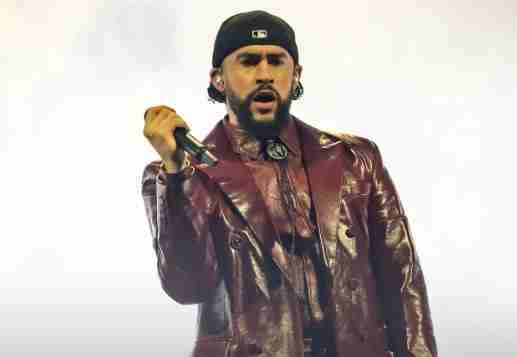
NFL Fans Threaten Bad Bunny Super Bowl Boycott — MAGA Groups Say 2026 Halftime Choice Crosses a Line
NFL fans, particularly MAGA-aligned conservatives, are threatening to boycott the 2026 Super Bowl after Bad Bunny was announced as the halftime headliner — igniting a polarized debate over politics, cultural identity, and perceived hypocrisy around his tour decisions.
- Polarized reaction: MAGA-aligned critics have called for boycott campaigns and trending hashtags urging viewers to skip the Super Bowl broadcast.
- Perceived inconsistency: Critics cite Bad Bunny’s 2025 cancellation of U.S. mainland tour dates as the basis for accusing him of hypocrisy.
- Business vs. culture: The NFL, Apple Music and Roc Nation defend booking choices as commercial and demographic decisions amid wider cultural debate.
- Local stakes: Redding-area businesses and community groups may face economic and social effects depending on turnout and local reaction.
What happened
The NFL, in partnership with Axios: Bad Bunny, MAGA and the NFL halftime show, announced Bad Bunny as the headliner for the 2026 Super Bowl halftime show at Levi’s Stadium in Santa Clara, California. The announcement quickly prompted criticism and calls for boycotts, especially from MAGA-aligned and conservative fans.
Why the backlash is so intense
The intensity of the reaction stems from a combination of political objections, cultural tension, and perceived inconsistency. Key threads include:
- Perceived hypocrisy: Many critics point to Bad Bunny’s decision to cancel U.S. mainland tour dates in 2025 over ICE and fan-safety concerns and question why he would now accept the nation’s largest televised stage. Sources documenting this context include Times of India: “Boycotting Bad Bunny” trends and Marca: coverage of backlash.
- Cultural and patriotic objections: Some conservative commentators label the booking “unpatriotic,” arguing the NFL favors trending acts and identity-driven choices over traditional mainstream tastes.
- Political signaling: For MAGA supporters, boycott calls are a form of protest against institutions perceived as politically out of step with their values.
What fans are saying online
Social media amplified the debate immediately. Hashtags such as “Boycotting Bad Bunny” trended, with posts ranging from “If he wouldn’t tour the U.S., why is he performing at the country’s biggest stage?” to arguments framing the boycott as civic expression. At the same time, defenders of Bad Bunny warn that much criticism blends political disagreement with prejudice, and some observers have called counterposts out for crossing into xenophobia (Marca).
Who makes halftime decisions — and why it matters
The Super Bowl halftime show is produced through a partnership between the NFL, Apple Music and Roc Nation. Selection decisions reflect business priorities — viewer appeal, streaming traction and cultural buzz — rather than a publicized set of artistic or patriotic criteria.
Bad Bunny’s record and historic place
Benito “Bad Bunny” Martínez is among the world’s most-streamed artists, with a global following and record-setting streaming numbers. Supporters note that his slot as the first solo Latin artist to headline the main stage represents a historic milestone and aligns with shifting demographics and musical tastes in the U.S. (Axios; Times of India).
How this fits past halftime controversies
Halftime bookings have long been flashpoints: prior performers such as Kendrick Lamar and Beyoncé drew conservative criticism for perceived political messages or cultural prominence. The Bad Bunny debate follows a familiar pattern where entertainment choices become proxies for larger cultural and political fights.
Official responses and rumors
As of publication, the NFL has not issued a formal response to boycott threats. California Governor Gavin Newsom responded on social media with a lighthearted jab suggesting critics likely enjoy Bad Bunny privately (Axios). Unfounded rumors about a possible cancellation have circulated online but lack credible sourcing — see iNews (rumor coverage).
Investigative notes: what’s missing and what to watch
- No NFL viewership statement: The NFL has not released data or statements forecasting how the booking might affect ratings or attendance, leaving space for speculation (Axios).
- No reliable polls: There are no conclusive polls yet showing whether MAGA-led boycott calls will materially lower viewership — past online boycotts have sometimes generated buzz with limited measurable impact.
- Treat cancellation rumors skeptically: Any reports of the NFL pulling the performance should be verified with official statements from the NFL, Apple Music or Roc Nation (iNews).
Implications for Redding, California
Local businesses and community groups in Redding could see a range of effects depending on whether boycott calls gain traction or fizz out. The likely areas of impact include:
Economic impact
- Hotels, restaurants and bars that normally benefit from Super Bowl weekend may see reduced turnout if local patrons or visitors follow boycott calls.
- Event planners and retailers selling Super Bowl merchandise should monitor sales and maintain flexible event plans to accommodate shifting interest.
Political consequences
- Local MAGA-aligned groups may use the controversy as a rallying point, potentially energizing conservative voters and shaping campaign messaging.
- Elected officials in Northern California could publicly weigh in, which may amplify the debate locally.
Social effects
- Community watch parties could expose divisions within friend groups, churches and civic organizations; organizers should be prepared for mixed attendance.
- Latino community members and Bad Bunny fans in Shasta County may face heightened visibility and local conversations about representation and backlash.
Cultural relevance
The booking underscores demographic-change conversations that are prominent in Northern California politics. Local arts venues may respond with programming that either celebrates Latino representation or caters to audiences seeking alternative entertainment.
Practical applications for residents
- Businesses should track ticket sales and RSVPs and plan flexible cancellation or downsizing policies.
- Organizers can offer explicitly nonpolitical, family-friendly viewing options to avoid alienating patrons.
- Local media and talk radio should prepare for increased engagement and phone-ins on the topic, which presents opportunities for advertisers and community leaders.
Sources and reporting links
- Axios: Bad Bunny, MAGA and the NFL halftime show
- GiveMeSport: NFL fans threaten Super Bowl boycott after Bad Bunny halftime show announcement
- Times of India: “Boycotting Bad Bunny” trends as MAGA supporters threaten to skip Super Bowl 2026 halftime show
- Marca: Coverage of backlash and debate over Bad Bunny’s booking
- iNews: Rumor coverage—no credible basis for cancellation
Reporting note: This article is based on public statements, social media trends, and reporting from the linked sources. The NFL has not issued a direct reply to boycott calls as of publication; readers should treat cancellation rumors skeptically and rely on official announcements from the NFL, Apple Music, or Roc Nation for confirmed updates.