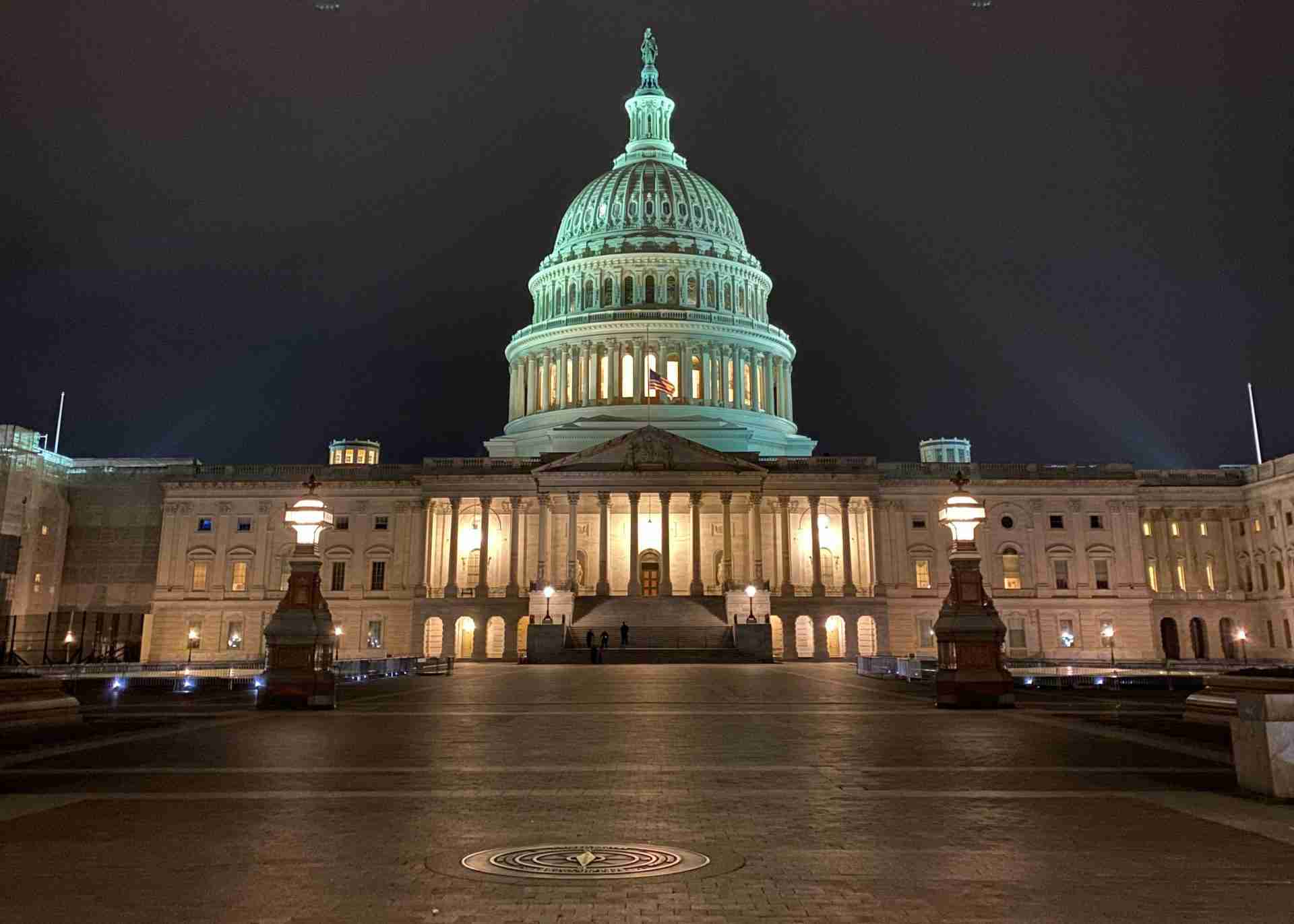
Shutdown explained: Who works, who doesn’t and what it costs as October 1 budget deadline nears
A potential federal government shutdown could begin Oct. 1, 2025, if Congress fails to pass appropriation bills or a continuing resolution, threatening furloughs, paused services, and economic effects for workers, contractors and communities such as Redding, California.
Key takeaways
- If Congress does not act by midnight Sept. 30, 2025, many federal activities will pause on Oct. 1, 2025.
- Essential staff remain on duty for life‑safety and national security functions; many others are furloughed.
- Past shutdowns have cost billions—the 2018–19 pause cost roughly $11 billion in lost output and related expenses.
- The 2025 standoff centers on health‑care subsidies: Democrats seek an extension of premium tax credits; Republicans want a “clean” continuing resolution.
What triggers a shutdown
A shutdown occurs when Congress does not pass the annual appropriation bills—or a temporary continuing resolution (CR)—that funds federal agencies for the new fiscal year beginning Oct. 1. Without enacted funding, agencies follow contingency plans that limit operations to functions legally authorized to continue without new appropriations. Legal and administrative guidance about which activities stop is detailed in advisories and explainers from agencies and outside counsel, including USAFacts and the Husch Blackwell advisory.
Who works: essential staff and those protecting life and property
Not everyone stops working. Excepted or essential employees must report for duty during a shutdown if their roles protect life or property. That group typically includes:
- Air traffic controllers and certain airport safety staff;
- Law enforcement and national security personnel;
- Medical staff at federal health facilities providing emergency services;
- Employees tied to active military operations.
Military personnel continue duties though paychecks may be delayed until funding resumes. Members of Congress and the president remain on the job and continue to receive pay under constitutional and statutory rules, as noted in legal advisory material including the Husch Blackwell advisory and guidance summarized by professional groups such as SRCD.
Who does not work: furloughs and paused services
Many federal workers who do not perform essential functions will be furloughed. This generally affects staff at agencies responsible for regulatory, administrative, research, or visitor services. Commonly paused operations include:
- Visitor services at national parks and museums, leading to closures or reduced access;
- Grant processing, research programs, and many regulatory reviews;
- Routine administrative offices that support federal programs.
Federal contractors, whose work depends on government funding, often face suspension or slowdown—creating ripple effects in local economies that rely on federal projects. Legal advisories and member resources describe employer and contractor concerns in detail (Husch Blackwell advisory; SRCD).
How much it costs
The financial hit from a shutdown comes from lost productivity, delayed services, and administrative costs of pausing and restarting operations. The Congressional Budget Office and Office of Management and Budget have studied prior shutdowns; findings show damage can run into the billions. For example, the 2018–19 shutdown is estimated to have cost roughly $11 billion in lost economic output and related expenses (USAFacts).
For 2025, no single authoritative cost estimate exists because total impact depends on the duration and which agencies are most affected. Costs include back pay owed to furloughed employees once funding resumes and ripple effects through businesses serving federal workers and contractors (USAFacts).
The current political standoff
At the center of the 2025 standoff is a split over health‑care funding. Democrats are pushing to extend premium tax credits under the Affordable Care Act—commonly called Obamacare subsidies—which recent estimates suggest would reduce the uninsured and lower premiums for many Americans, increasing insured numbers by roughly 3.8 million but raising federal deficit projections by an estimated $350 billion by 2035 (USAFacts).
Republicans are advocating for a “clean” continuing resolution that maintains current spending without adding new subsidies or expanded programs, framing their stance around deficit concerns and budget discipline. Both parties have also highlighted security funding for public officials as a bipartisan interest (USAFacts).
Timing and context for 2025
The current CR expires at midnight on Sept. 30, 2025. If lawmakers do not agree, federal agencies will begin shutdown procedures on Oct. 1, 2025, per standard contingency plans (USAFacts; Husch Blackwell advisory).
The federal workforce is about 3.2% below pre‑pandemic levels, raising questions about how agencies will manage furloughs and sustain essential operations if a shutdown stretches on (USAFacts).
What a shutdown means for Americans
Beyond closures, a shutdown can delay federal payments and services that people rely on. Some benefits are legally protected and continue—many Social Security payments are typically unaffected—but administrative actions like permit processing, certain grants, and federal support for research may be delayed. Small businesses that contract with the federal government or rely on federal employees as customers can see sales slow. Consumer confidence and economic growth can dip if uncertainty persists (USAFacts).
Quote: “Essential national security and life‑safety functions continue, but many services, contractors and nonessential workers would be furloughed.”
Implications for Redding, California
Economic impact
Redding’s local economy could be affected if a shutdown begins Oct. 1. Federal employees who live in the region or contractors working on federal projects may face furloughs or suspended contracts, reducing household income and local spending. Tourism tied to federal lands is particularly vulnerable: visitor services at national recreation areas and national forests that attract visitors to the Shasta region can be cut back or temporarily closed, affecting hotels, restaurants and outfitters during the fall season.
Government services and benefits
Major federal benefit programs would generally continue, but administrative actions—like processing certain permits, applications or nonurgent federal grants—may be delayed. Local healthcare providers coordinating with federal programs could see slower reimbursements or administrative delays, which matters for small clinics and mental health providers in the area.
Public safety and travel
Essential staff—such as federal law enforcement and air traffic controllers—remain on duty, so critical safety services and commercial flights under federal oversight continue. Nonetheless, residents should expect slower responses for some federal regulatory matters and processing for transactions requiring federal approval.
Local government and nonprofits
City and county agencies that partner with federal programs may face interruptions if federal grant payments are delayed. Nonprofits that depend on federal grants or contracts should prepare for funding delays. Local leaders and nonprofit directors are advised to review contingency plans and budget buffers now.
Practical steps for Redding residents
- Check benefits and deadlines: If you receive federal benefits or participate in federal programs, watch official agency announcements for changes or delays (USAFacts).
- Contractors and small businesses: Review contracts for shutdown clauses and speak with your program officer about contingency plans.
- Stay informed and contact representatives: Reach out to members of Congress to express priorities and monitor developments as the Oct. 1 deadline approaches.
- Prepare household budgets: Households with federal employees or contractors should consider short‑term plans in case pay is delayed.
Sources and guidance
Government shutdown procedures and legal advisories are summarized in resources from USAFacts, law firms advising employers (Husch Blackwell advisory), and professional organizations providing member guidance (SRCD). For broader public explainers and background, see public explainers.
Reporting note
This article draws on reporting and analysis from USAFacts, legal guidance from Husch Blackwell, member resources from SRCD, and public explainers including video explainers.