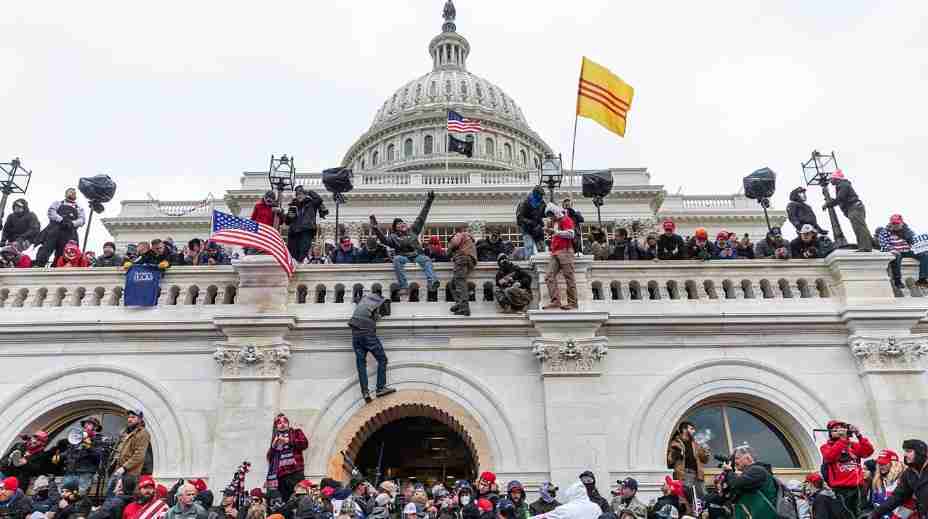
Patel Says FBI Agents Were Sent to Capitol for Crowd Control; Accuses Wray of Misleading Congress
Kash Patel says hundreds of FBI agents went to the U.S. Capitol on Jan. 6, 2021, for crowd control after a riot was declared and accuses former Director Christopher Wray of misleading Congress about the deployments.
- Kash Patel: says hundreds of FBI agents were sent to the Capitol for crowd control only after authorities declared a riot (Fox News).
- Allegation: Patel alleges former Director Christopher Wray misled Congress about timing and purposes of deployments (Fox News interview footage).
- Sources: Patel cites Justice Department material noting confidential human sources in the crowd; he says only three were FBI-sent and none engaged in unlawful conduct (Source cited by Patel).
- Pushback: Democrats and civil rights groups criticized Patel’s leadership and raised politicization concerns (Rep. Jamie Raskin statement; civil rights coalition letter).
Patel’s claims: what he said and where
In recent media appearances, Patel sought to clarify what he described as confusion over FBI activity at the Capitol on Jan. 6, 2021. He told the network that hundreds of FBI agents went to the Capitol for crowd control — not as undercover instigators — and only after officials declared the situation a riot (Fox News; video).
Patel said he intends to release additional documentation about Bureau sources and agent activity, promising materials that would “shock people” and contradict earlier testimony. He framed the disclosures as an attempt to set the record straight about the timeline and mission of agents on site during the breach.
What Patel cites as supporting evidence
Patel referenced Justice Department materials that, he says, confirm the presence of confidential human sources in the Jan. 6 crowd — 26 in total — while stressing that only three were sent by the FBI and that none engaged in criminal acts (video). He argues those numbers undermine narratives that federal agents planted or provoked the riot.
He also pointed to internal operational directives and timelines — which he said he is coordinating to make public — to support the claim the FBI’s actions were reactive, post‑declaration, rather than proactive deployments aimed at influencing the crowd.
Allegation that Christopher Wray misled Congress
The more serious claim Patel advanced is that then‑Director Christopher Wray misled congressional investigators about the nature and timing of agent deployments. Patel said prior congressional testimony painted a different picture of who was sent to the Capitol and why, and he urged corrections to the public record (video).
“If a former director misled Congress, oversight committees will likely demand sworn testimony and documentation to determine whether statements were inaccurate,” analysts note.
Responses and political fallout
Patel’s comments drew immediate criticism. Representative Jamie Raskin called Patel “dangerous” and “unfit” to lead the FBI, citing his record and alignment with Jan. 6 narratives (Rep. Jamie Raskin statement).
A coalition of civil and human rights organizations opposed Patel’s nomination, warning that his public statements could politicize the Bureau and threaten civil liberties (civil and human rights organizations’ opposition).
Evidence still limited and scrutiny ongoing
Independent reporting and prior Justice Department reviews show a complex picture of Jan. 6 intelligence and source activity. While Patel’s reference to confidential human sources echoes earlier Department summaries, independent verification of his broader claims — including hundreds of FBI agents and exact deployment timing — has not been published (video).
Patel says he will release more documents; until those materials are public and reviewed by outside investigators and Congress, key questions about scale, command structure, and testimony accuracy remain unresolved.
Why this matters: public trust and oversight
The allegations touch on impartiality of federal law enforcement and accountability of officials who testify under oath. If testimony to Congress was misleading, oversight panels may seek sworn clarifications, declassified records, or new hearings to reconcile discrepancies.
For readers concerned about rule of law, the matter raises whether federal agents acted within mandate and whether documentation and reporting processes were adequate. Patel’s promise of disclosures will be watched closely by lawmakers on both sides of the aisle.
Implications for Redding, California
Though national in scope, Patel’s claims have potential local implications in Redding and Shasta County.
Economic impact
Local businesses are unlikely to feel direct economic effects. Still, renewed attention to federal law enforcement could affect confidence among firms that rely on federal investigations or FEMA coordination. Increased politicization might influence grants, contracts, or cooperative programs in Northern California.
Political consequences
Redding’s conservative-leaning electorate may interpret Patel’s claims as vindication that federal agents controlled a dangerous scene rather than provoking it, potentially bolstering officials who favor stricter oversight. Conversely, civic groups may press for transparent records and congressional oversight.
Social effects
Patel’s statements may rekindle local debate at town halls, churches, and civic forums. For residents who distrust federal institutions, his promise of transparency may be welcomed; for those wary of misinformation and civil‑liberties erosion, the disclosures may raise alarm.
Cultural relevance
Northern California communities value independence and stable rule of law. Conservative audiences in Redding emphasizing constitutional protections will likely demand both transparency and accountability — confirmation that agents acted lawfully and any misleading testimony is corrected.
Practical applications for residents
Residents should expect increased congressional activity — subpoenas, document releases, hearings — that may produce public records about Jan. 6. Local officials can use those materials to brief constituents and guide interactions with federal partners. Citizens can follow oversight releases and contact representatives for briefings.
Ongoing developments to watch
- Document releases: Patel’s promised internal FBI documents and timelines.
- Congressional action: subpoenas, hearings, and requests to reconcile past testimony with new disclosures.
- Career officials and watchdogs: reactions from current and former FBI personnel and independent oversight groups.