Colorado jury awards $205M in wrongful-death verdict after 6-year-old falls from Haunted Mine Drop; family, park and manufacturer held liable
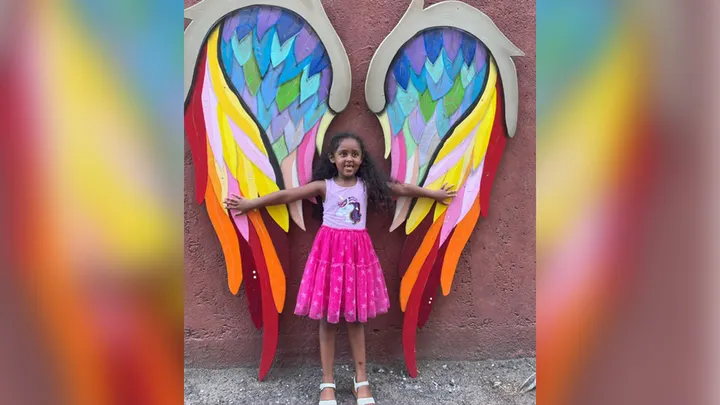
A Colorado jury has awarded $205 million to the family of 6-year-old Wongel Estifanos, who died after falling from the Haunted Mine Drop at Glenwood Caverns Adventure Park in 2021, finding both the park and manufacturer liable.
- Verdict: Jury awarded $205 million to Wongel Estifanos’ family after the 2021 ride fatality.
- Cause: Investigators say the restraint was not secured and an operator overrode a restraint warning alarm before launch.
- Liability: Jury found both Glenwood Caverns Holdings, LLC, and ride-maker Soaring Eagle Inc. liable.
- Impact: The ruling raises industry questions about restraint design, operator training and possible regulatory changes.
What happened on the ride
On Sept. 5, 2021, the Haunted Mine Drop lifted and dropped while Wongel Estifanos, age 6, was not properly buckled. Investigators found she was sitting on top of the seat belt rather than secured by it. An alarm indicated a restraint error before the drop; according to testimony, the ride operator overrode the warning and initiated the ride. Wongel fell approximately 110 feet and died from her injuries.
“An alarm on the ride signaled a restraint error before the drop began,” testimony at trial stated, underscoring that the safety system did not prevent operator override.
Investigation and operator training failures
State investigators and evidence presented at trial revealed multiple failures in operator training and verification procedures. Staff were not trained to consistently recognize or respond to restraint warning lights and alarms. The ride’s safety systems did not require an operator to actively confirm each rider was buckled; witnesses said operators sometimes used guesswork instead of a positive verification process. The jury concluded that these training gaps contributed directly to the tragedy.
Manufacturer responsibility and prior incidents
Jurors placed significant blame on the ride manufacturer, Soaring Eagle Inc., finding the restraint design defective and that the company failed to perform adequate engineering reviews and risk analyses. Trial evidence included claims of similar ejections involving the same restraint design and assertions that those incidents were not fully disclosed or corrected, increasing risk to riders.
Legal arguments and verdict
The family’s attorneys argued the restraint system and park procedures were unsafe and that warnings were ignored. Defendants emphasized the operator’s actions as the immediate cause and maintained they had safety protocols. After testimony and evidence, the jury found both the park operator (Glenwood Caverns Holdings, LLC) and the manufacturer liable and awarded $205 million to the family.
Park response and stakes for employees
Glenwood Caverns Adventure Park acknowledged the tragedy and said it cooperated with investigators and has worked to improve safety. The park warned the verdict could threaten its future and the jobs of hundreds of workers. Representatives said they previously offered their full insurance limits in settlement talks but did not reach an agreement.
The park also says it has worked with independent engineers to redesign the Haunted Mine Drop to reduce the chance of a similar incident.
Redesign and post-accident changes
After the accident, Glenwood Caverns engaged independent engineers to review and modify the Haunted Mine Drop. Court filings and testimony show the park updated procedures and hardware to make restraint status more visible to operators and to make it harder for alarms to be ignored or overridden. These changes aim to add affirmative verification steps and visible indicators for operators.
Public safety and industry ripple effects
Legal experts and the family’s lawyers said the $205 million verdict could push parks and manufacturers to redesign restraints and strengthen operator training. The award sends a message that companies must prioritize safety over speed or profit. Industry groups may face pressure to adopt stricter standards for restraint confirmation; regulators could consider new rules or enforcement steps for amusement rides at state and federal levels.
Trial coverage and public reaction
The trial drew strong local and national attention, with news outlets following testimony, court filings and the jury decision. Video and on-site reporting captured reactions from the family and legal teams outside the courthouse. The trial’s length and the size of the award make this one of the largest wrongful-death verdicts tied to an amusement-park ride in recent memory.
For video and additional coverage see trial video 1 and trial video 2.
Implications for Redding, California
Economic impact
Local tourism operators and family entertainment venues in the Redding area could face higher insurance costs and tighter safety inspections following high-profile verdicts. Smaller parks with lower insurance limits may see premiums rise or coverage terms change, affecting ticket prices and hiring.
Political and regulatory consequences
While conservative voters in Redding often favor local control and limited regulation, public safety concerns may prompt calls for clearer inspection rules or more rigorous operator training and equipment checks. Local officials and state lawmakers could face pressure to review regulations governing amusement-ride safety.
Social effects on families and community trust
Families in Redding will likely monitor how local parks respond. Trust in ride safety can erode quickly after a high-profile accident; local operators should be prepared to explain safety processes, display inspection records and demonstrate staff training to preserve community confidence.
Cultural relevance
Redding’s family-oriented outdoor culture means amusement rides and fairs are community fixtures. The case highlights balancing recreation with firm safety rules; event organizers and businesses may reassess procedures to avoid similar liabilities and protect reputation.
Practical steps for residents and operators
- Parents: Ask operators how restraints are checked and whether staff perform active verification before each run. Demand visible, documented checks.
- Operators/Owners: Review training, require active seat-belt confirmation, document inspections and consider third-party engineering reviews for custom or modified rides.
- Local government: Make inspection records accessible and partner with trade groups to set minimum training standards for amusement-ride operators.
Reporting and sources
This report draws on court coverage and local reporting, including Denver7 and CBS News. Trial videos and related reporting are available via the linked video sources above.
Ongoing developments
The verdict may be appealed and the long-term legal and financial outcomes remain uncertain. For now, the jury’s decision holds both the park and the manufacturer accountable in this case and has prompted industry and community discussions about ride safety, operator training and protecting children at amusement attractions.