Harris Calls Trump a “Tyrant,” Slams ‘Feckless’ CEOs Ahead of 107 Days Book Release
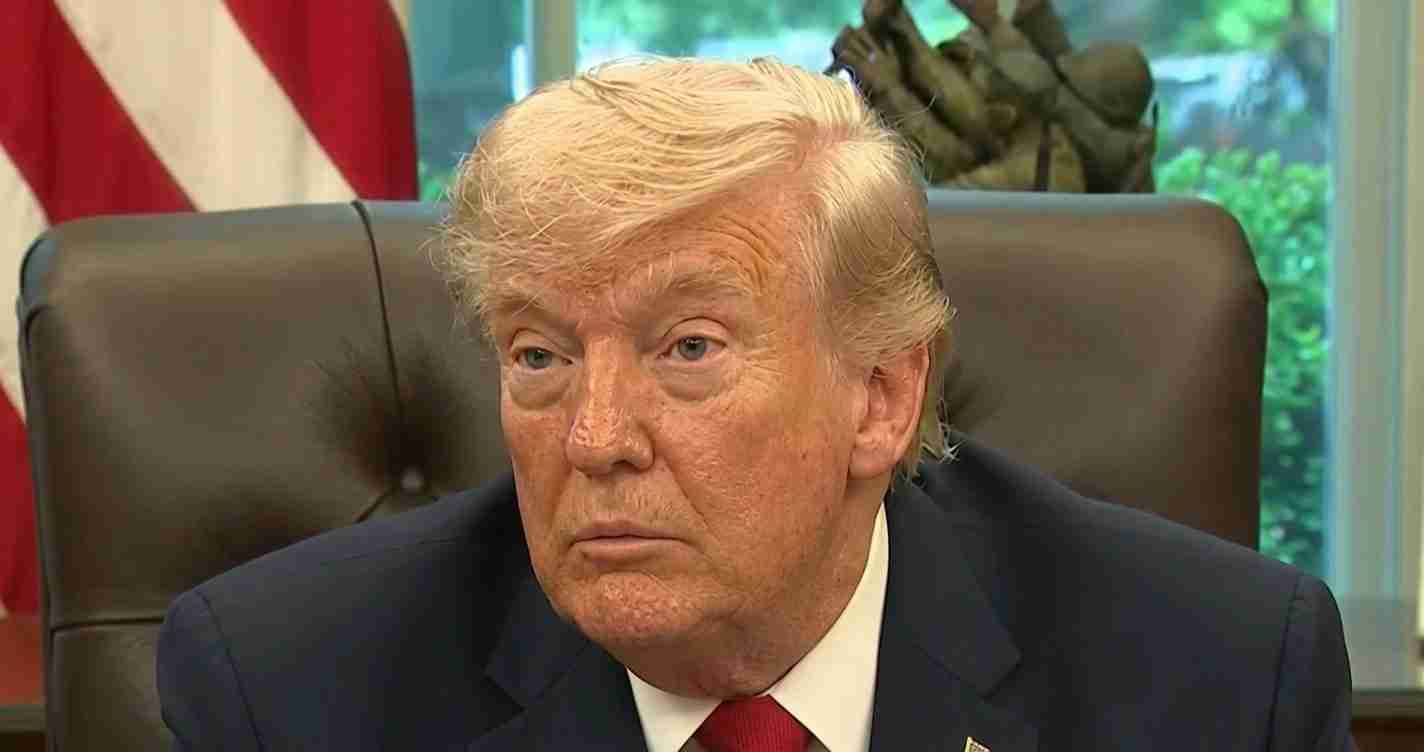
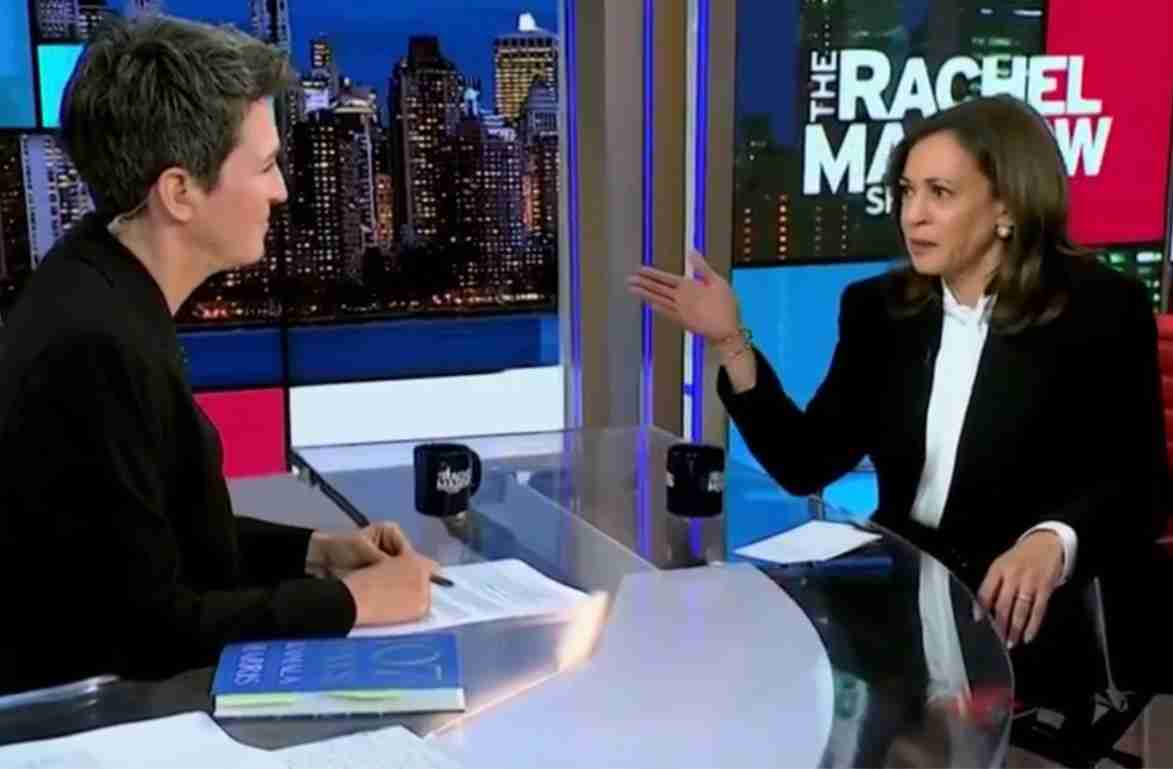
In her first major interview after the 2024 election, Kamala Harris called Donald Trump a “tyrant,” criticized CEOs and billionaires as “feckless,” and promoted her new memoir 107 Days, warning of threats to U.S. democratic institutions.
Key takeaways
- Harris labeled Trump a “tyrant” during a sit-down with Rachel Maddow and compared threats to U.S. democratic institutions to those under authoritarian regimes (Fox News, MSNBC interview video).
- She called CEOs and billionaires “feckless” for failing to act as guardians of democracy and for capitulating to pressure from Trump and his allies (Fox News, Ground News).
- The interview coincided with the release of her memoir, 107 Days, which chronicles the transition after President Biden withdrew from the 2024 race and Harris became the Democratic nominee (Fox News, Ground News).
Labeling Trump a “tyrant”
In a pointed exchange with Rachel Maddow, Harris used stark language to describe the state of American politics, saying the country faces threats similar to those under one-party or authoritarian systems and calling Donald Trump a “tyrant.” She argued that comparisons once reserved for “communist dictators” now describe what she sees unfolding in the U.S. under Trump’s leadership (Fox News, interview video).
Harris framed the remarks as a warning: the use of aggressive executive power, attacks on critics, and sustained pressure on institutions create a climate that weakens democratic checks and balances. The language was deliberately strong to resonate with those who view rising executive assertiveness as a threat to norms and institutions (video of the interview).
Harris blasts CEOs and the billionaire class
“Feckless” was the word Harris used to describe how she thinks many in the business elite have responded. She said she expected major CEOs and wealthy donors to serve as guardrails when democratic norms were threatened, but instead many have been silent or quickly aligned with Trump to avoid economic or political retaliation.
“Democracy sustains capitalism. Capitalism thrives in a democracy,”
Harris highlighted a pattern: executives who once engaged on public issues now often avoid confrontation because of fear of being targeted or boycotted. That critique ties into broader debates about corporate political power and whether business leaders should weigh in to defend civic norms (Ground News, Fox News).
Institutional capitulation and the climate of fear
Beyond corporate leaders, Harris pointed to a wider retreat by institutions and public figures who change behavior out of fear. She cited examples including universities adjusting curricula and entertainment figures facing consequences for criticism — shifts she said signal a broader erosion of civic courage driven by concern over political retribution (Ground News, interview video).
Acknowledging targeted actions by the Trump administration against critics, Harris said the fear is understandable but cautioned it cannot be an excuse for silence when democratic norms are at stake. Leaders face a difficult calculation between personal or corporate risk and obligations to public life (Fox News).
Self-reflection and the “107 Days” account
Harris’s memoir, 107 Days, chronicles the period after President Biden withdrew from the 2024 race and Harris became the Democratic nominee. In the book she criticizes decisions from that period — calling it, at times, “reckless” to allow Biden to run again — and reflects on her own role. The interview served both to promote the memoir and to shape public understanding of those chaotic months (Fox News, Ground News).
Harris framed the memoir as more than a personal account — she described it as a warning about vulnerabilities in the political system and the costs of indecision, aiming to set a record of internal debates and choices that shaped the 2024 Democratic campaign (interview video).
Timing and media strategy
The Maddow interview aired on MSNBC the day before 107 Days hit shelves — a standard media strategy to maximize attention during a book launch. Harris’s choice to grant her first major post-election interview to a liberal host signals the audience she is addressing, while her blunt critique of business elites aims to broaden reach beyond her partisan base (Fox News, Ground News, interview video).
Implications for Redding, California
Economic impact
Redding’s economy — reliant on small businesses, agriculture, tourism, manufacturing and services — could feel ripple effects if national corporate behavior or giving patterns shift. Changes in corporate stances or heightened political risk may influence local investments, partnerships, and federal policy flows that affect taxes, regulations, or disaster relief funding (context based on Harris’s warnings; Fox News).
Political consequences
In conservative communities like Redding, Harris’s critique of national elites as “feckless” may reinforce distrust of coastal corporate leaders and Washington insiders. Local officials might use her remarks to advocate for stronger local leadership, limits on federal power, or protections for business owners against politicized risk, potentially energizing voters on issues of free speech and balance of power (Ground News).
Social effects
Redding values independence, faith, and local ties. Harris’s critique of elites and institutions may resonate with residents who feel disconnected from national leaders, while talk of a “tyrant” in Washington could heighten anxiety about political instability. Civic groups, churches, and business associations may respond with forums to explain federal developments and their local impact (interview video).
Cultural relevance
Harris’s comments touch on cultural fault lines — trust in institutions, role of leaders, and free enterprise. Conservative readers may view her critique of CEOs as confirming elite failure, possibly pushing local leaders toward emphasizing self-reliance and community-based solutions rather than dependence on distant institutions (context: interview and public reaction; Fox News).
Practical applications for residents
- Local businesses should monitor federal policy shifts tied to national tensions that could affect regulation, litigation risk, supply chains, or contracts (interview video).
- Community leaders can use Harris’s remarks as a prompt to strengthen local civic institutions — from school boards to chambers of commerce — to ensure transparency and public trust (Ground News).
- Voters concerned about federal overreach may seek clearer statements from local representatives on protecting local interests and guarding against politicized federal action (Fox News).
Reporting and sources
This article is based on Harris’s interview with Rachel Maddow on MSNBC (video available) and reporting compiled by Times Media Service referencing coverage from Fox News and Ground News. Key source material includes the video of the interview.
Sources: MSNBC interview video, Fox News, Ground News.