Amazon backs AI startup that lets anyone make TV shows — what it means for creators, unions and communities
Amazon’s Alexa Fund has invested in San Francisco AI startup Fable, whose Showrunner platform can generate entire animated TV episodes from short text prompts — a move that could reshape production, creators’ opportunities and industry labor dynamics.
Key takeaways
- Amazon-backed: Amazon’s Alexa Fund invested in Fable, though the amount is undisclosed; reporting and early coverage include WebProNews — Amazon invests in Fable’s AI for generating TV episodes from text, GeekWire — Amazon invests in Fable, and Fox News — Amazon backs AI startup.
- Showrunner: Fable’s Showrunner uses the proprietary SHOW-2 model to automate script, voice, direction and animation from text or images.
- Democratization vs. risk: The tool lowers barriers for creators but raises copyright, training-data and labor-displacement concerns amid ongoing industry tensions.
How Showrunner works — the basics investigators should know
Showrunner accepts short text prompts or uploaded images and returns animated scenes or full episodes. The engine stitches together a script, creates voice performances, composes direction and produces animation — enabling a single user to generate a finished episode without a traditional crew. (Sources: WebProNews, GeekWire, GeekSpin.)
Core model: At its center is Fable’s proprietary SHOW-2 model, designed to automate multiple production steps so animation — which requires far less compute than photorealistic video — can be produced quickly and cheaply. (Source: GeekWire.)
Platform features, launch content and access
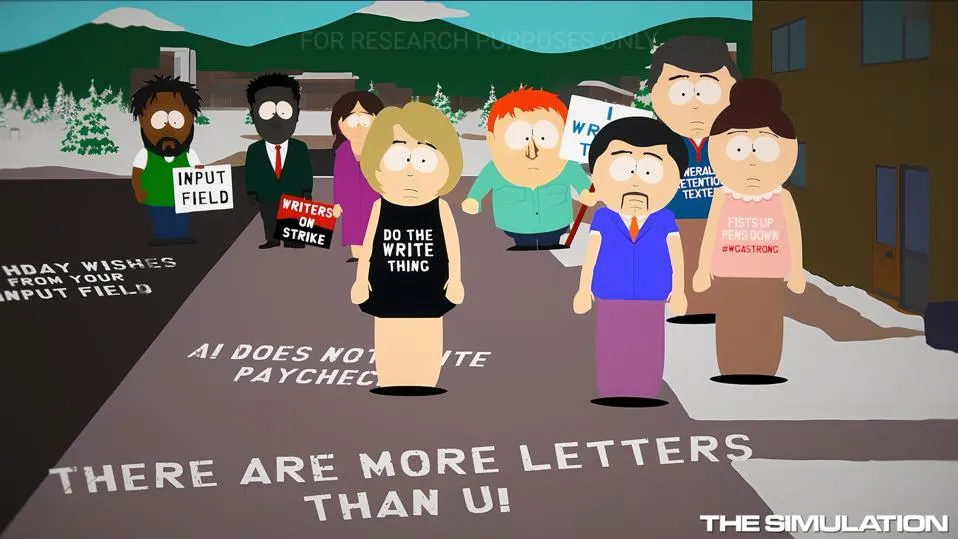
Showrunner debuted in an alpha with original programming and user-generated work accessible via the company website and its community Discord. Early originals include Exit Valley, a satirical animated comedy set in a fictional “Sim Francisco,” and the startup published nine South Park–style AI-generated episodes that went viral, garnering substantial views and attention. (Sources: GeekWire, GeekSpin.)
Business model: Showrunner remains in alpha; Fable plans a subscription model with generation credits projected at about $10–20 per month and is reportedly in talks with established media companies, including Disney and NBC, about licensing major IP. (Source: GeekSpin.)
Why Amazon’s backing matters
Amazon’s investment — routed through the Alexa Fund — brings credibility, capital and a potential bridge to Amazon’s broader cloud and media businesses. While the amount was not disclosed, this strategic tie could help Fable scale infrastructure, distribution and negotiate licensing deals. (Sources: WebProNews, GeekWire, Fox News.)
Broader industry impact and labor concerns
Fable’s tools could democratize content creation, enabling individuals and small teams to produce niche storytelling and local programming at low cost. However, automation of scriptwriting, voice work and animation raises clear questions about job displacement for performers, writers and technicians — concerns already fueling labor actions across the industry. (Source: GeekSpin.)
“Training data, copyright and labor displacement are the four arenas regulators and industry groups must watch closely.”
Risks and regulators to watch
Investigators and policymakers should monitor:
- Training data and transparency: Which works trained SHOW-2, and were rights holders compensated? (Source: GeekSpin.)
- Labor displacement: How will contracts, union rules and wages adapt if AI supplies voices, scripts and animation? (Source: GeekSpin.)
- Copyright and licensing: Will remixing existing IP be permitted, and under what terms? (Sources: WebProNews, GeekSpin.)
- Platform moderation and content standards: Who vets political satire, defamation risk or harmful content produced by users? (Source: GeekWire.)
Implications for Redding, California
Economic impact: Redding is not a Silicon Valley hub, but local businesses and creators could adopt Showrunner for low-cost commercials, training videos and local programming. That could help small shops compete, while reducing demand for routine production roles.
Workforce and jobs: Remote freelance opportunities and educational uses may expand, allowing students and residents to create content without studio hardware — yet entry-level jobs that historically trained media workers may diminish.
Cultural and political concerns: Conservative audiences in Redding may be wary of automated satire targeting local values or figures. Policymakers should consider content standards where misinformation or defamation could cause harm.
Education and small-business uses: Schools, chambers of commerce and tourism boards could use AI-generated shorts for outreach and training, potentially saving local budgets if legal and licensing risks are managed.
Legal and regulatory action: Local leaders should watch state and federal moves on AI and copyright; licensing rules or union agreements could change costs and access quickly.
Community standards and marketplace fairness: Local policy choices should aim to balance innovation with protections for workers and creators, including clear rules on IP and compensation.
Sources and further reading
- WebProNews — Amazon invests in Fable’s AI for generating TV episodes from text
- GeekWire — Amazon invests in Fable, the ‘Netflix of AI,’ where users can create TV shows with prompts
- GeekSpin — Amazon invests in AI-generated TV shows
- Fox News — Amazon backs AI startup that lets you make TV shows
Reporting by Times Media Service