
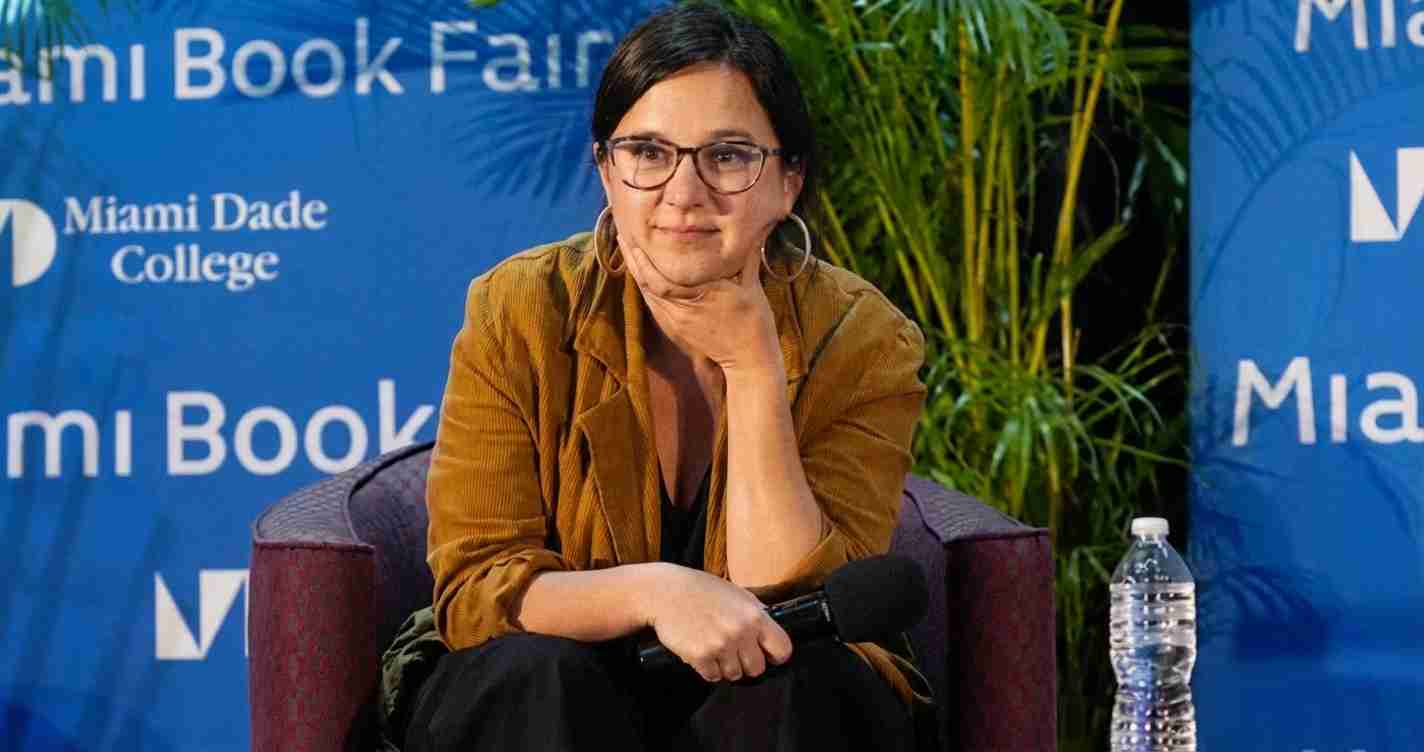
CBS holds “Inside CECOT” after editor-in-chief Bari Weiss says it needs more reporting; White House comments reportedly weren’t used
CBS delayed a 60 Minutes segment, “Inside CECOT,” after editor-in-chief Bari Weiss said it required more reporting on the Trump administration’s legal rationale for Venezuelan deportations; a Canadian airing leaked online and clips spread before removal.
Key takeaways
- Bari Weiss paused the segment saying it “needed more reporting,” especially on the legal rationale for deportations and on-the-record government explanations.
- Some administration responses existed but reporting indicates portions sent by the White House and other agencies were not included in the draft Weiss reviewed.
- The episode aired in Canada on a Global TV platform and leaked online before CBS attempted to remove clips.
- Debate continues over editorial duty versus perceived political interference and whether the pause protected officials or ensured journalistic rigor.
What happened at CBS
60 Minutes planned to air “Inside CECOT,” a report by correspondent Sharyn Alfonsi about 252 Venezuelan migrants deported and sent to El Salvador’s high-security CECOT prison. Hours before broadcast, CBS and 60 Minutes issued a brief statement saying the segment was being delayed because it “needed additional reporting.” Axios
Why Weiss says she delayed the piece
According to reporting, Bari Weiss reviewed a draft and told producers it did not adequately present the administration’s rationale. In an internal memo she warned the piece leaned on a small set of soundbites and lacked documented legal arguments, asking for more on-the-record comment from figures tied to the earlier policy, including former officials. Axios
Internal backlash and claims of political motive
The delay prompted an internal uproar at 60 Minutes. Some longtime producers and correspondents viewed the move as unusual and politically motivated, arguing the decision came late after the piece had been green-lit. A correspondent told colleagues the timing felt like interference with completed reporting. Axios
“Her team had sought responses and on-camera interviews from the White House, DHS and the State Department,” Alfonsi reportedly said, noting refusals to be interviewed may have limited the story’s reach. Axios
What the government sent — and what was left out
Reporting indicates multiple departments within the Biden administration did send responses to 60 Minutes’ questions. Axios reports some material from the administration existed before Weiss reviewed the draft and that parts of those responses were not included in the cut she saw. Axios
One contested claim: online accounts suggest the White House urged 60 Minutes to “amplify stories of Angel Parents.” Major reports — including Axios, a captured CNN segment on YouTube clip, and an analysis at Just Security) document that the White House sent comments but do not source that specific phrasing.
The leaked Canadian airing and online spread
Although CBS withheld the segment in the United States, Global TV in Canada, which holds broadcast rights for 60 Minutes, aired the episode. Clips and a capture circulated online and were uploaded to YouTube before CBS moved to take them down. The Daily Beast
What the segment shows
Alfonsi’s reporting includes interviews with Venezuelan men who describe abuse, overcrowding and harsh treatment in El Salvador’s maximum-security CECOT prison after deportation. The piece draws on earlier reporting — including coverage by the New York Times — and seeks to connect those accounts to U.S. policy that enabled or facilitated the deportations. Axios
Fact-checks and legal debate over the delay
Legal analysts and media critics differ. Just Security published a detailed fact-check that examines Weiss’s memo and the legal claims about the Alien Enemies Act and other authorities invoked in the debate. The analysis questions whether Weiss’s characterization of the legal record was complete and whether the delay served to protect officials tied to the policy.
Supporters of Weiss argue editors must ensure investigative pieces fully present the government’s stated rationale. Critics say delaying after approval undermines newsroom independence.
Why this matters for audiences and for journalism
The central controversy is whether CBS omitted available written comments from the White House in its draft and whether the call for more reporting was an editorial necessity or a political intervention. For audiences, the key question is: did CBS present the full range of facts?
Implications for Redding, California
Local impacts may include:
- Trust in national media: Conservative-leaning Redding residents may view the pause as evidence of bias, shifting consumption toward local outlets or partisan networks. Axios
- Political messaging: Local candidates may cite the episode and shelving to argue media bias or to press for stricter immigration stances. Just Security
- News consumption shifts: Perceived unreliability could change local advertising and audience habits, bolstering talk radio and conservative outlets. Axios
- Community response: Churches, veterans groups or advocates might hold forums or calls for accountability in response to human-rights allegations.
Sources and reporting used in this article
- Axios reporting on Bari Weiss and 60 Minutes
- YouTube capture of Canadian posting and media coverage
- Just Security analysis and fact-check
- The Daily Beast on online spread and CBS attempts to remove clips
For readers in Redding: this episode raises two basic questions — did CBS responsibly protect accuracy by pausing a complex story, or did editors interfere to blunt an uncomfortable report about past policy? The answer will influence trust in national news and local political conversation. Axios



