
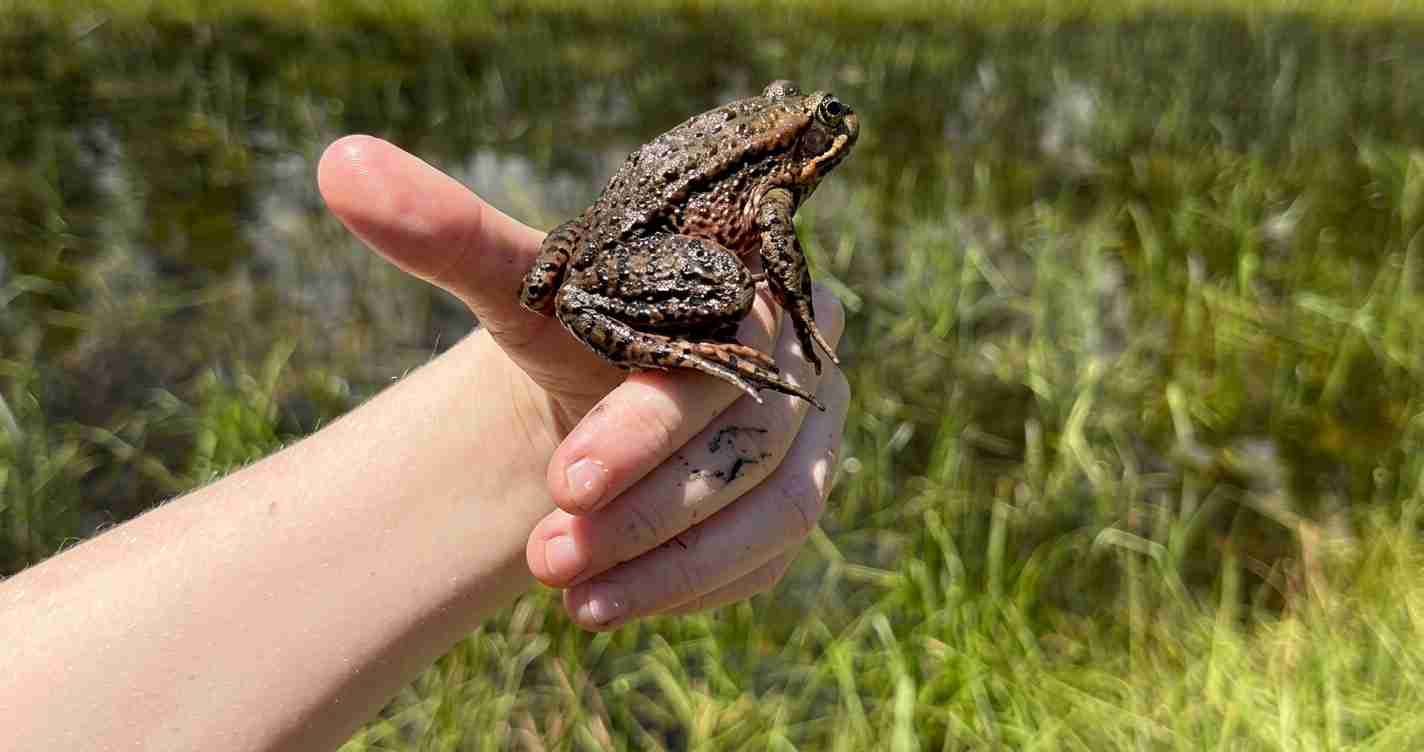
Yosemite frog conservation marks return as 10,000th California red‑legged frog released after decade of work
Yosemite National Park marked the release of the 10,000th California red‑legged frog on May 7, 2026, celebrating a decade of reintroduction, invasive‑species removal and habitat restoration that restored a self‑sustaining population in Yosemite Valley today.
- Milestone release: The symbolic 10,000th juvenile, nicknamed Twain, was released near Yosemite Falls on May 7, 2026.
- Multi‑agency effort: Recovery driven by the National Park Service, Yosemite National Park, U.S. Fish and Wildlife Service, California Department of Fish and Wildlife, Yosemite Conservancy and the San Francisco Zoo & Gardens.
- Strategy: Decades of bullfrog removal, Merced River wetland restoration and a captive‑rearing program begun in 2016 produced multi‑generation resilience.
How the red‑legged frog disappeared — and why the recovery mattered
The California red‑legged frog (Rana draytonii), the state amphibian, once inhabited Sierra Nevada meadows, ponds and stream edges. Beginning roughly 50 years ago, introduced American bullfrogs and elevated raccoon predation — tied to open refuse sites in the 1970s — drove the species out of Yosemite Valley.
By 2016, when reintroduction began, no red‑legged frogs remained in the valley. Park ecologists set a clear goal: remove threats, rebuild habitat and reintroduce frogs raised in controlled conditions until wild recruitment could sustain populations. As Rob Grasso, aquatic ecologist at Yosemite National Park, said,
“After invasive bullfrogs eliminated red‑legged frogs from the area decades ago, we removed those threats and created conditions for recovery.”
Partners, funding and federal‑state cooperation
The recovery is a model of federal, state and nonprofit collaboration. The National Park Service, Yosemite National Park leads on‑the‑ground reintroduction and monitoring. The U.S. Fish and Wildlife Service provides scientific and supervisory support, while the California Department of Fish and Wildlife helped fund habitat work through voter‑approved grants tied to the Merced River Plan.
Nonprofit partners also played essential roles: Yosemite Conservancy funded research and restoration, and the San Francisco Zoo & Gardens operates a captive‑rearing facility that raises eggs collected from the wild into robust juveniles for release.
Removal of invasive bullfrogs and habitat work
Park crews spent decades trapping and removing invasive bullfrogs, which are larger, prolific and predatory. Concurrently, restoration projects rebuilt wetlands and streambanks under the Merced River Plan, reducing bullfrog habitat and improving breeding sites for native frogs. Grants administered by CDFW paid for many of these projects.
Captive rearing, releases and resilience
Since 2016 the San Francisco Zoo facility has raised frogs from wild‑collected eggs to one‑ and two‑year juveniles in protected ponds and tanks. Once large and fit enough, juveniles are transported to Yosemite for release. Despite drought, severe winters and flooding, the program produced resilient, multi‑generation returns.
Dr. Rochelle Stiles, field conservation director at the SF Zoo, noted:
“When the program began in 2016, no California red‑legged frogs remained in Yosemite Valley… the population has proven resilient.”
The zoo plans to release about 830 juveniles in 2026 and will continue raising several hundred eggs for future releases.
Why this recovery matters — beyond sentiment
The California red‑legged frog is the largest native frog in the western U.S. and an indicator of healthy aquatic systems. Its return signals functioning wetlands and rivers that benefit fish, birds and other wildlife. For taxpayers and land managers, the project demonstrates that targeted, long‑term investment — removing invasives, restoring habitat and applying science‑based rearing — can yield measurable conservation returns.
Accountability point: CDFW officials emphasized that voter‑approved grants paid for habitat restoration tied directly to measurable work under the Merced River Plan, a fact often noted for audiences focused on fiscal accountability.
Event details and next steps
The May 7 release near Yosemite Falls was part of the NPS Stewardship Series on red‑legged frog conservation. Officials and partners released several zoo‑reared juveniles, including the symbolic 10,000th frog nicknamed Twain, and described ongoing monitoring and adaptive management plans to address future threats such as disease, new invasives or changing hydrology.
Park biologists will continue tracking survival, breeding success and genetic diversity. The SF Zoo will maintain captive production to support future releases and bolster wild recruitment.
Implications for Redding, California
Economic impact: Yosemite’s recovery story can enhance tourism appeal, benefiting lodging, restaurants and outfitters in Northern California, including businesses serving travelers from Redding. Habitat restoration and monitoring funded by grants create short‑ and medium‑term jobs and contracting opportunities.
Political consequences: Local conservative audiences may view this as an example of effective stewardship — voter‑approved funds tied to measurable restoration produced clear results, underscoring cooperative federal‑state‑local partnerships over heavy new regulation.
Social and community effects: The comeback offers educational opportunities for Redding schools and nature centers, encourages volunteerism and civic pride, and provides practical techniques for river restoration and urban wildlife management.



