
Afghan evacuee with alleged CIA ties identified in White House National Guard shooting; questions raised about asylum vetting
Lede: A Nov. 26, 2025 shooting near the White House left two National Guard members critically wounded. Authorities identified the suspect as Rahmanullah Lakanwal, a 29-year-old Afghan evacuee with reported CIA-linked ties; the FBI is probing possible international terrorism and asylum vetting.
Key takeaways
- Two Guard members critically wounded: initial reports of deaths were incorrect; officials later confirmed both were hospitalized and critically injured, according to Time.
- Suspect identified: 29-year-old Afghan national Rahmanullah Lakanwal, evacuated under Operation Allies Welcome, is in custody.
- Alleged intelligence links: reporting ties Lakanwal to a CIA-backed partner force in Kandahar, noted in coverage by the Times of India.
- Asylum approved: media accounts say Lakanwal filed in Dec. 2024 and received asylum in April 2025 after interagency vetting (reported by the Times of India).
The attack and immediate response
On Nov. 26, law enforcement responded to gunfire near the White House perimeter after witnesses and security cameras captured the event. Early government updates incorrectly reported fatalities before clarifying both National Guard members were critically wounded and hospitalized, according to Time.
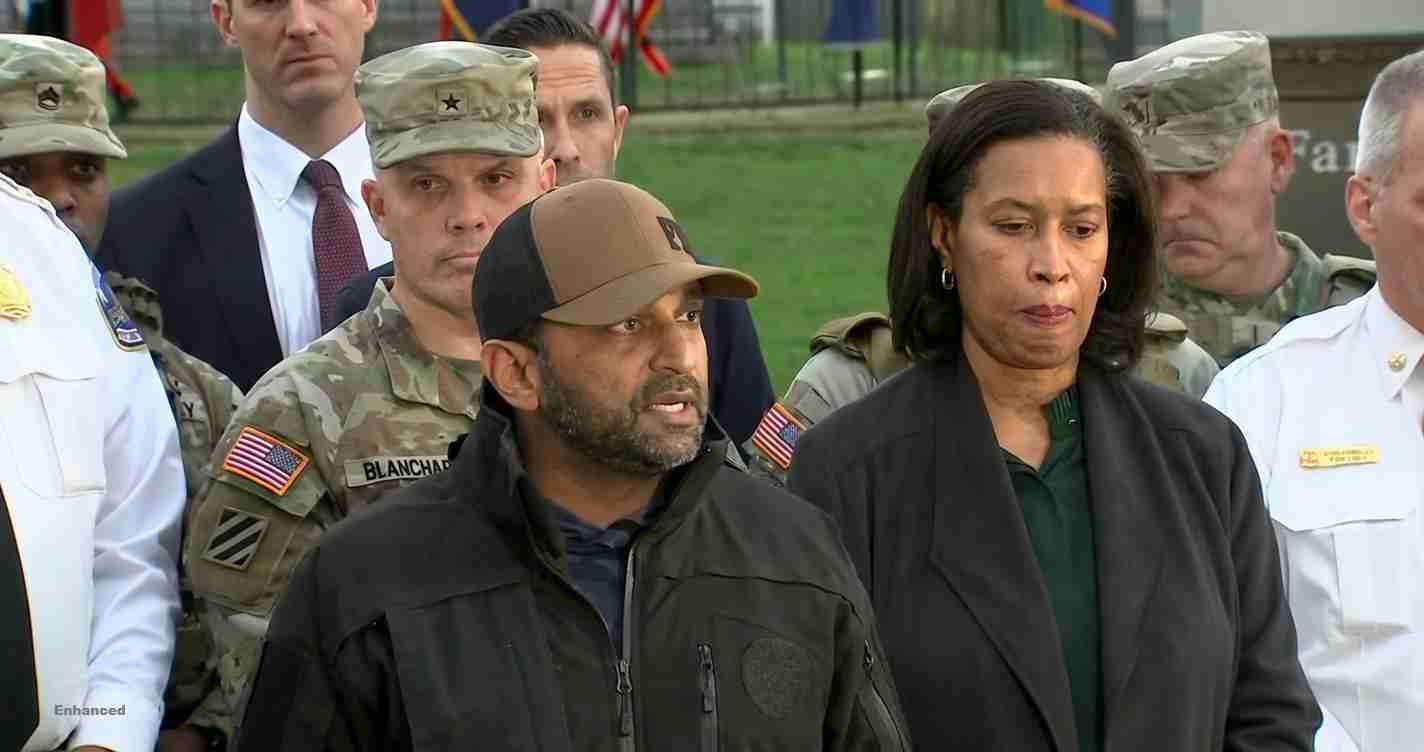
The suspect was taken into custody at the scene after a fingerprint identification matched records in federal systems. The FBI’s Washington Field Office has assumed the lead and is coordinating with federal partners to determine whether the shooting was motivated by international or domestic factors, with officials calling it a possible act of international terrorism. See initial federal statements and briefings on video briefings and press remarks.
Who is Rahmanullah Lakanwal?
Public reporting traces Lakanwal’s origins to Kabul (born 1996) and roles during the final years of the U.S. presence in Afghanistan. He is reported to have worked as a logistics coordinator for a U.S. contractor and to have conducted supply runs in Helmand Province alongside American Special Forces, according to the Times of India.
Multiple reports say Lakanwal served with the Kandahar Strike Force, a partner unit that operated with U.S. Special Forces out of Firebase GECKO and had links to U.S. intelligence operations; media coverage describes that affiliation as a CIA-backed role with operational ties to American intelligence. Reporting also notes humanitarian work on his public profiles — his LinkedIn lists a position as a Field Coordinator for the International Rescue Committee in Khost Province — underscoring the mixed roles some evacuees held during evacuation and resettlement (Times of India).
Immigration path and asylum approval
Lakanwal arrived in the U.S. in 2021 under Operation Allies Welcome, the evacuation program to resettle Afghan partners and others at risk after the U.S. withdrawal.
Media accounts report Lakanwal filed for asylum in December 2024 citing fear of Taliban retaliation due to his U.S. ties. Federal officials reportedly completed biometric checks, interviews and an interagency review before U.S. Citizenship and Immigration Services approved his asylum claim in April 2025. That approval is reported to have occurred under the Trump administration (Times of India; see related official briefings).
Officials and the White House reaction
President Trump issued a forceful statement condemning the attack, calling it a “heinous assault” and labeling it “an act of evil and act of hatred and an act of terror,” demanding the suspect pay “the steepest possible price.” Initial federal statements and press remarks are available via video briefings.
The Department of Homeland Security confirmed the suspect in custody is a foreign national who entered the U.S. from Afghanistan. The FBI is reviewing travel records, immigration files and any intelligence-related flags as it determines motive and any possible foreign-network connections (press briefing, follow-up remarks).
Timeline (key dates)
- 2021: Lakanwal evacuated to the United States under Operation Allies Welcome.
- December 2024: Filed asylum claim citing fear of Taliban reprisals (Times of India).
- April 2025: Asylum approved after vetting and interagency review (Times of India; official briefings).
- Nov. 26, 2025: Shooting near the White House; two National Guard members critically wounded (Time).
- Nov. 27, 2025: Authorities and media report the suspect’s background and alleged intelligence ties (Times of India).
Questions for policymakers and the public
The case raises immediate policy and security questions among lawmakers and voters who prioritize vetting and accountability. Key issues include:
- Vetting gaps: How did an individual with complex battlefield and reported intelligence ties pass asylum vetting without apparent red flags?
- Interagency review: What role did interagency review play, and were intelligence databases and watchlists fully checked before approval?
- Program changes: What changes, if any, are needed to Operation Allies Welcome and asylum review processes to better protect U.S. personnel and facilities?
Investigators say they will follow all leads; no final motive has been publicly confirmed and the FBI’s probe into whether this was an act of international terrorism remains active (FBI briefings).
Implications for Redding, California
Local effects in Redding could be economic, political and social:
Economic and public safety effects
- National Guard members and military families in the Redding area will monitor the investigation closely; perceived vetting lapses could affect recruitment and confidence.
- Businesses and nonprofits that contract for housing and resettlement may face increased scrutiny and possible rule changes affecting refugee placement programs.
Political consequences
- Conservative leaders and voters in Redding are likely to press representatives for answers on asylum and vetting, fueling calls for tighter border security and oversight of programs like Operation Allies Welcome.
- Local officials may seek clearer guidance from state and federal authorities about screening and housing evacuees in California communities.
Social and community impact
- Redding’s Afghan and immigrant communities may feel unease or risk of backlash despite most newcomers being law-abiding; proactive outreach is advised to prevent stigma.
- Veterans groups and law enforcement may host town halls and briefings to discuss service member safety and protective processes.
Practical short-term effects could include increased visibility of Guard personnel at public events and requests for federal briefings on resettlement vetting standards for local leaders.
Sources and reporting notes
This article draws on reporting from Time, the Times of India, and initial federal statements and pressers available as video briefings and press remarks.
Reporting note: Investigations by the FBI and partner agencies are ongoing; federal authorities say they will release more details as evidence is verified and charges are filed.
“Investigators say they will follow all leads and that no final motive has been publicly confirmed.”



