
Acting President Delcy Rodríguez Says Venezuela Will Continue Prisoner Releases as Rights Groups Warn Hundreds Remain
Acting president Delcy Rodríguez announced Wednesday that Venezuela will continue releasing political prisoners as part of what she called a “new political moment” to promote coexistence — even as rights groups warn hundreds remain detained amid limited transparency.
- Rodríguez vowed to press forward with releases framed as a move toward tolerance and coexistence. (Source: KSL, Fox News)
- At least four U.S. citizens were freed in the days before Rodríguez’s announcement — the first known American releases since Nicolás Maduro’s removal. (Source: KSL, Fox News)
- Human rights groups estimate hundreds remain detained — Foro Penal has cited roughly 800 or more political prisoners; other watchdogs report totals above 1,000. (Source: Fox News, El País)
What Rodríguez said in her first presidential briefing
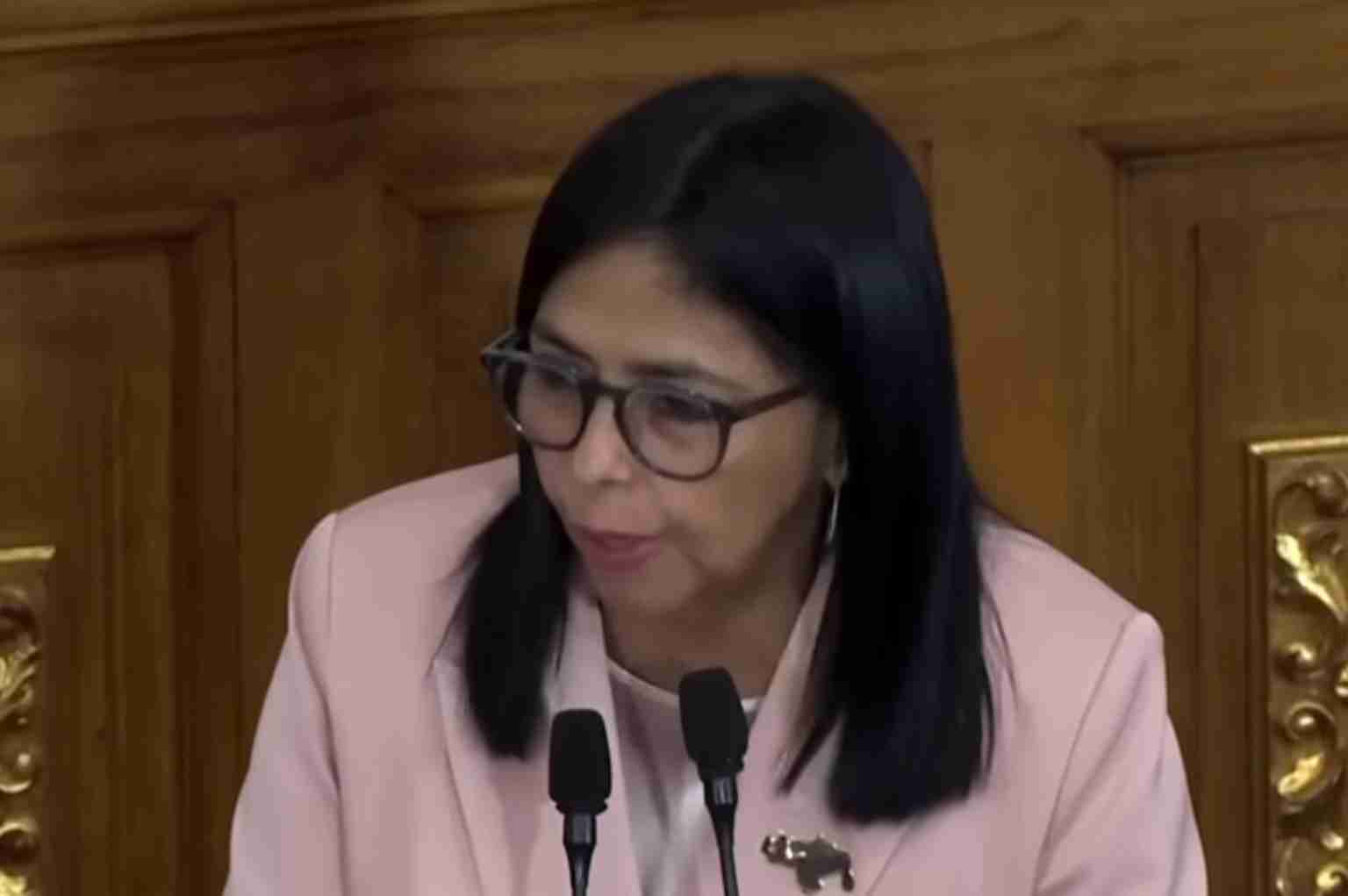
Acting president Delcy Rodríguez spoke from the presidential palace in Caracas during a controlled briefing that lasted just over five minutes. She stood beside National Assembly President Jorge Rodríguez and Interior Minister Diosdado Cabello, and no questions were taken. The event was described by reporters as tightly managed. (Source: KSL)
“The process has not yet concluded,”
Rodríguez said, framing the releases as part of an evaluation of detainees on charges described as “crimes related to the constitutional order.” She credited Nicolás Maduro with initiating some releases and said her government had freed additional detainees, while stressing the process is a controlled, legal procedure rather than a broad amnesty. (Sources: KSL, Fox News)
Who has been freed so far — and who remains behind bars
Rights groups and news outlets have worked to verify release counts. Foro Penal verified 68 releases following the interim government’s promise and noted about a dozen were freed on the Wednesday in question, including political activist Nicmer Evans and campaign staffers Julio Balza and Gabriel González. (Source: KSL)
El País reported that by Jan. 12 some 116 names had been announced for release, with 41 confirmed freed by that date — including some foreign nationals, such as Italians released after diplomatic requests. Reports indicate some freed individuals must accept restrictions, including bans on public statements. (Source: El País)
In a notable diplomatic development, at least four U.S. citizens were freed days earlier; U.S. officials described their case as a priority and said the releases signaled international pressure on the interim government. These were the first known American releases since Maduro’s capture. (Sources: KSL, Fox News)
Rights groups cite large gaps and continued detentions
Human rights organizations warn the release program still leaves hundreds — possibly over a thousand political detainees in custody. Foro Penal estimates roughly 800 remain detained, a figure other watchdogs have sometimes put above 1,000. Families have staged protests outside prisons demanding information and swifter action. (Sources: Fox News, El País)
Critics highlight recent in-custody deaths — including the reported death of Edison Torres — as evidence of the urgency for independent oversight. Rodríguez has pushed back, accusing organizations like Foro Penal of spreading “falsehoods” and questioning their counts, underscoring a broader lack of a verifiable, independent list of eligible detainees and the conditions attached to releases. (Sources: KSL, El País)
U.S. and international pressure, political stakes and oil diplomacy
The releases occurred amid clear international and diplomatic pressure. U.S. officials played a visible role in securing the American detainees, and Western and Italian diplomats pushed for foreign nationals’ release. Analysts say the release process is intertwined with bargaining over oil revenues, foreign recognition and market access. (Sources: El País, International Center for Transitional Justice, KSL)
Observers note that any reopening of Venezuelan oil to international markets could influence global supply and local fuel prices. Policymakers and private actors reportedly view Rodríguez as a potential partner to help resume oil sales after Maduro’s capture, raising questions whether releases are primarily humanitarian or strategically diplomatic. (Sources: KSL, Fox News, ICTJ)
The process, secrecy and local protests
Reporters and rights groups describe the program as slow and sometimes secretive. Families report little notice before release orders and say conditions placed on freed individuals — such as bans on public statements — can curtail political activity. Protests outside prisons and demands for greater transparency have continued alongside releases. (Sources: El País, KSL)
Implications for Redding, California
Economic impact — local fuel and energy costs: Changes in Venezuelan political control and the prospect of Venezuelan oil returning to global markets could affect crude supply and prices, which local consumers in Redding should monitor through national energy reports and fuel forecasts. (Context: ICTJ, El País, KSL)
Political consequences — local leaders and voters: Redding’s conservative electorate may view the U.S. role and the release of American detainees as significant for national security narratives and federal authority — topics local officials and voters may reference going forward. (Sources: KSL, Fox News)
Social effects — local Venezuelan community and migration: Redding and Shasta County’s Venezuelan and Latin American communities may see increased requests for legal aid, refugee assistance and consular help; churches and charities should prepare for possible new arrivals and family reunification cases. (Context: El País, Foro Penal)
Practical applications: Travelers should follow State Department guidance; those with family in Venezuela should contact U.S. consular services and established NGOs. Local civic groups can organize legal clinics or fundraising, while watchdogs and media should compare government release lists to independent tallies such as those from Foro Penal. (Context: KSL, El País, Foro Penal)
Reporting and sources
This article draws on reporting from KSL, Fox News, El País and the International Center for Transitional Justice, and cites estimates from Venezuelan human rights group Foro Penal.
(Reporting from Caracas; Times Media Service)



