
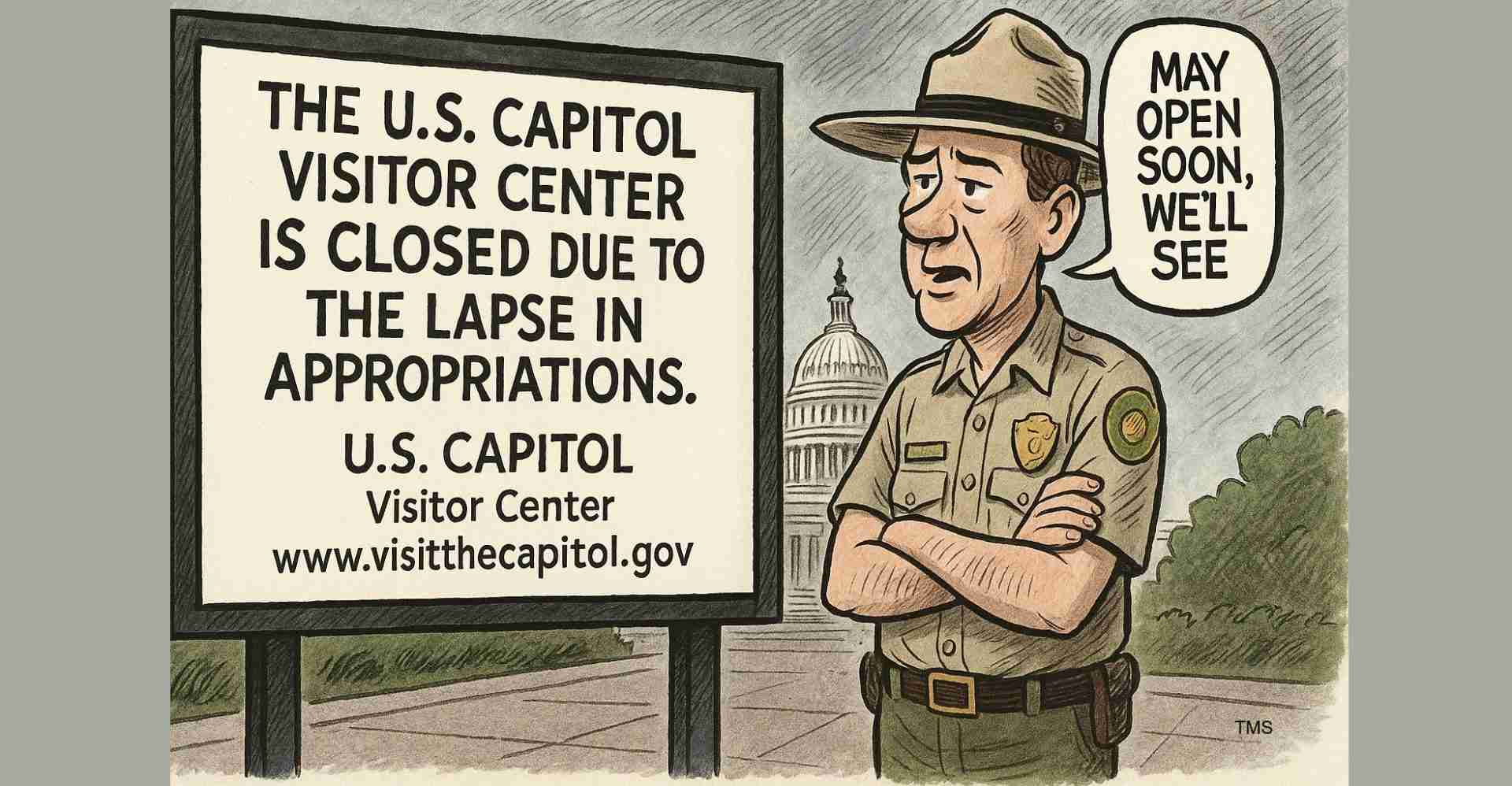
Lawmakers Budge as Bipartisan Talks Begin — Possible “End of the Beginning” in 2025 Federal Government Shutdown
After nearly five weeks of stalemate, Congressional leaders have launched bipartisan negotiations aimed at a short-term funding extension to restart paychecks and essential services while deferring the larger Affordable Care Act subsidies dispute for later talks.
- Shutdown began Oct. 1, 2025, sparked by stalled appropriations and disputes over ACA subsidies linked to the 2025 United States federal government shutdown.
- Roughly 900,000 furloughed and ~2 million working without pay; major public health and nutrition programs curtailed, per reporting including Understanding the federal government shutdown.
- Bipartisan talks now aim for a short-term funding extension to reopen agencies and buy time for the ACA subsidies battle, guided by coverage such as Hitchhiker’s guide to the stand that could break the shutdown.
- Passage requires overcoming Senate filibuster math and shifting votes from moderates; public pressure and rising costs are forcing urgency (ABC News, White House).
Background: How we got here
The 2025 federal government shutdown began when Congress failed to pass appropriations for the 2026 fiscal year on Oct. 1, 2025. The immediate spark was a repeated standoff over funding language tied to expanded Affordable Care Act (ACA) subsidies. Democrats argued for preserving those subsidies; House Republicans pushed for spending measures without an extension, producing a cycle of blocked bills and procedural gridlock (2025 United States federal government shutdown; Understanding the federal government shutdown).
“A funding fight became a health-policy standoff,” creating an impasse that federal leaders and the White House struggled to break despite multiple outreach efforts.
Scope and human cost
This shutdown has become the longest in U.S. history. Approximately 900,000 federal workers are furloughed, and roughly 2 million are working without pay. Key agencies — including the NIH and CDC — have curtailed operations, and nutrition supports like WIC face significant interruptions. The ripple effects extend to local economies and families dependent on federal paychecks and benefits (2025 United States federal government shutdown; Understanding the federal government shutdown).
Why ACA subsidies matter to the fight
At the heart of the dispute are pandemic-era ACA subsidy expansions scheduled to expire at the end of 2025. Democrats warn that letting those subsidies lapse would raise health-care costs for millions. House Republicans pressed for a “clean” continuing resolution that funds government operations without long-term policy changes — turning routine appropriations into a high-stakes negotiation over health policy and budget priorities (2025 shutdown; Understanding the federal government shutdown).
Recent movement: What’s different now
For the first time since Oct. 1, bipartisan negotiations are underway toward a short-term funding fix. Senate Republicans and several Senate Democrats are exploring amendments to the House bill that would buy time — likely through late January — to reopen the government while leaving the harder ACA fight for later (Hitchhiker’s guide to the stand that could break the shutdown).
Objective: restart paychecks, restore suspended services, and create a narrow window to negotiate broader policy. Political leaders describe the approach as an “end of the beginning.”
Vote math and internal pressures
A Senate deal is not guaranteed. To overcome a filibuster, sponsors typically need 60 votes, meaning some senators would have to cross party lines. Reports indicate several moderate Democrats may be open to a short-term measure if it comes with a promise of future healthcare talks. Internally, conservative Republicans wary of subsidy concessions and progressive Democrats protective of low-income supports both create pressure points that could block compromise (Hitchhiker’s guide; Understanding the federal government shutdown).
Public pressure and economic urgency
The shutdown’s spiraling effects have increased public pressure on lawmakers. Federal benefits and services are delayed, SNAP and other nutrition programs are strained, and local economies reliant on federal paychecks are suffering. The White House and advocacy groups have pushed for temporary funding to blunt harm, with some urging short-term relief by Nov. 21, 2025 (ABC News; White House).
What to watch next
- A Senate amendment or short-term continuing resolution to reopen agencies through late January (Hitchhiker’s guide).
- Voting shifts by moderate senators willing to break with party lines.
- House action after any Senate vote — the House must accept or pass a compatible bill to end shutdown effects.
- Renewed ACA fights once basic funding is restored (2025 shutdown; Understanding the federal government shutdown).
Sources cited in reporting
- Wikipedia: 2025 United States federal government shutdown
- Fox News: Hitchhiker’s guide to the stand that could break the shutdown
- Daily Campus: Understanding the federal government shutdown
- Office of Rep. Stanton: 2025 shutdown updates
- ABC News: Spiraling effects of the shutdown
- White House: Government shutdown clock and statements
Implications for Redding, California
Economic impact: Redding and greater Shasta County face tangible consequences. Local businesses that contract with federal agencies or serve federal employees can see drops in consumer spending. Federal contractors on public lands projects may face delays and halted payments, strangling payrolls and forcing layoffs, slowing local growth (2025 United States federal government shutdown; Understanding the federal government shutdown).
Political consequences: Local leaders and voters will press California’s delegation to defend rural and conservative priorities. While many conservative constituents favor limited federal spending, the immediate local harm risks pushing pragmatic demands for solutions that restore services and paychecks (Hitchhiker’s guide; 2025 shutdown).
Social effects: Veterans, low-income families reliant on SNAP or WIC, and community clinics tied to NIH and CDC grants face immediate strain. Local food banks and social-service organizations in Redding should prepare for heightened demand as federal supports are delayed (2025 United States federal government shutdown; ABC News).
Cultural relevance: Redding’s values of self-reliance and fiscal caution collide with urgent needs for federal paychecks and services. Expect local debate to reflect that tension at town halls and in the next election cycle (2025 shutdown; Hitchhiker’s guide).
Practical applications for residents
- Check benefit status: Verify whether federal payments or services are delayed and contact local offices for guidance (ABC News).
- Contact representatives: Constituents should urge their members of Congress to support short-term funding that reopens government while protecting longer-term priorities (White House).
- Seek local help: Food banks, veterans’ services and county social services often provide emergency resources during federal disruptions; reach out early.
- Watch for updates: Federal actions can change quickly — follow trusted sources and official notices about program restorations or changes (2025 United States federal government shutdown; Hitchhiker’s guide).
Ongoing stakes
Renewed willingness to negotiate offers hope that essential services and paychecks will resume, but the deeper fight over ACA subsidies and federal spending remains unresolved. For Redding residents, the coming days will reveal whether Congress can move past brinkmanship and deliver practical relief for families and businesses now (Hitchhiker’s guide; ABC News).



