
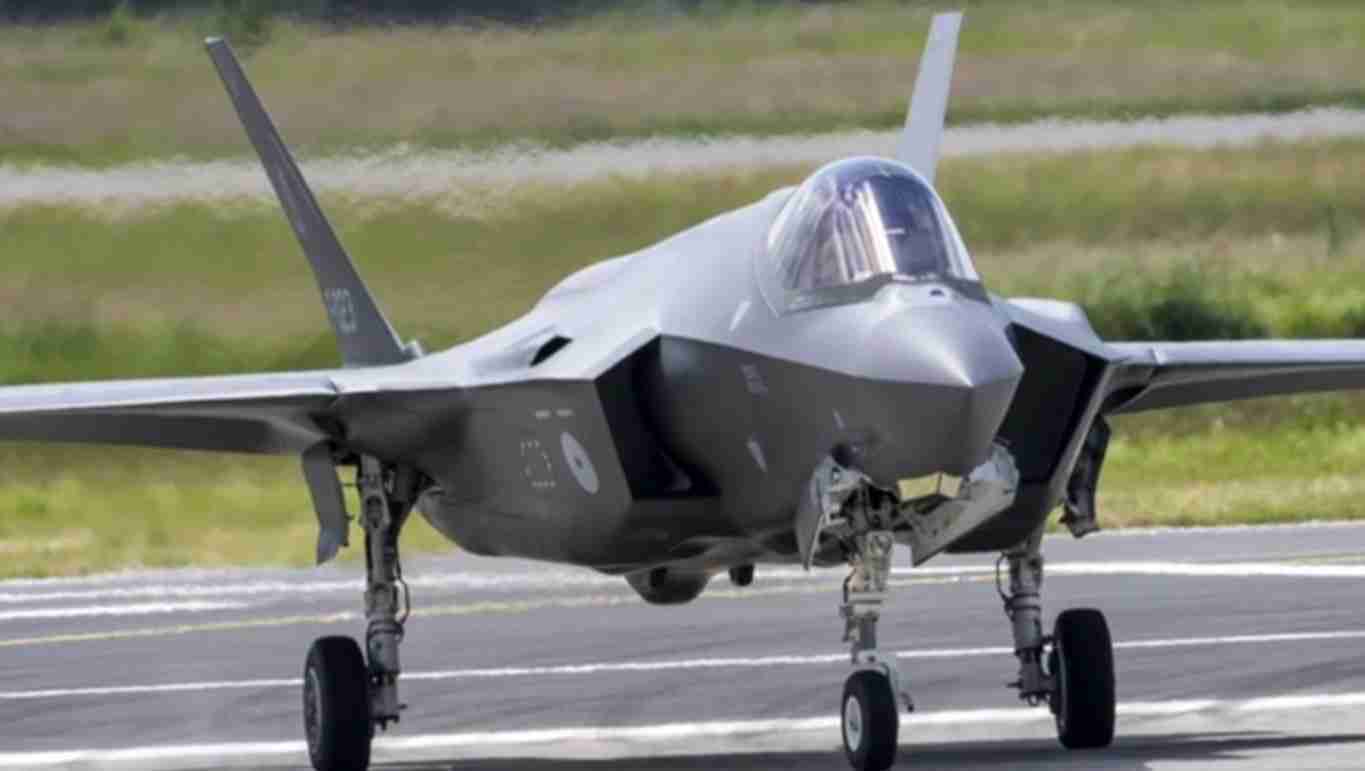
U.S. Sends 10 F-35 Jets to Puerto Rico as Tensions with Venezuela Escalate; Move Tied to Crackdown on Cartels
The United States is deploying 10 F-35 stealth fighters to Puerto Rico amid rising tensions with Venezuela and an intensified campaign against Caribbean drug cartels, raising questions about legal authority, regional stability and local impacts in places like Redding, California.
- 10 F-35s are being sent to Puerto Rico — likely to Muñiz Air National Guard Base — to bolster air and strike capacity against transnational drug groups. Sources: Military.com, Task & Purpose, Flying Magazine.
- The deployment is tied to operations against “designated narco-terrorist organizations,” including gangs allegedly connected to Venezuela such as Tren de Aragua. Source: Military.com.
- The F-35s join a broader buildup: seven U.S. warships, a nuclear-powered attack submarine and more than 4,500 sailors and Marines operating in the southern Caribbean. Source: Economic Times.
Deployment specifics and operational aims
U.S. officials describe the move as an effort to strengthen air and strike capacity in the Caribbean theater and to expand counter-narcotics and counter-terror operations against transnational criminal groups that traffic drugs and people across the region. The F-35 is a stealth platform intended to operate where other aircraft might be at risk.
The likely staging point is Muñiz Air National Guard Base in Puerto Rico, and outlets note this would be the first time land-based strike aircraft of this kind have been posted to the theater for the current campaign. Sources: Flying Magazine, Task & Purpose.
Recent military actions and incidents
The buildup follows several tense and controversial episodes. U.S. forces say they struck a suspected smuggling vessel in the southern Caribbean linked to Tren de Aragua, reportedly killing 11 people. U.S. officials identified the target as drug smugglers but have not publicly released independent evidence, prompting legal and international scrutiny. Source: Military.com.
Tensions spiked after Venezuelan F-16s flew close to the USS Jason Dunham in international waters — an encounter Washington called “highly provocative.” President Trump publicly warned he would shoot down any Venezuelan jets that threaten U.S. forces. Venezuela has moved ships, drones and troops toward its borders in response. Sources: Moneycontrol, Task & Purpose.
“If Venezuelan aircraft threaten U.S. forces, they will be shot down,” the president warned — a statement that increased regional alarm and raised the stakes for any aerial encounters.
Political context and international reaction
The U.S. government regards Nicolás Maduro’s 2024 re-election as illegitimate and alleges elements of his regime are central to regional drug trafficking. Officials frame the military posture as part of disrupting trafficking networks and protecting Americans. Sources: Economic Times, Flying Magazine.
Maduro and his allies call the buildup a threat of regime change and an act of aggression against Latin America. International commentators warn the deployment risks escalation into wider conflict — particularly after the Navy strike and close air passes by Venezuelan jets. Legal experts question the authority to use lethal force against alleged criminals in international waters absent clear congressional or international authorization. Source: Military.com.
Concerns about Caribbean drug cartel operations
U.S. officials link elements of Venezuela’s security services and criminal gangs to expanded drug flows through the Caribbean. The administration says the F-35s and naval assets will help interdict traffickers who move cocaine and other drugs north. Observers warn hard-line military moves could push traffickers to change routes, increase violence ashore, or prompt foreign powers to counter U.S. moves. Sources: Military.com, Economic Times.
Implications for Redding, California
Though the actions are focused in the Caribbean, Redding could experience indirect effects across economic, public safety and political lines. Below are key local implications and suggested actions for community leaders and residents.
Economic impact
- Drug flows to Northern California: Redding can be an end point for drugs traveling through Caribbean networks. Disruption may cause short-term supply changes or route shifts that affect local markets; law enforcement and treatment programs should prepare.
- Federal resources and grants: A shift in federal focus to overseas Caribbean operations could alter grant priorities for interdiction, treatment and community programs in areas including Shasta County. Source: Economic Times.
Public safety and law enforcement
- Local coordination: Redding police, the Shasta County sheriff and federal partners (DEA, HSI) may see changes in intelligence flow or tasking if interdiction shifts focus; military action does not replace local policing. Source: Task & Purpose.
- Risk of spillover violence: Route changes and cartel adaptation historically can bring violence ashore; local agencies should strengthen interagency coordination and preparedness.
Political and civic effects
- Voter concerns: Conservative voters in Redding likely view the deployment as a firm national-security stance; local leaders may press for metrics on how the deployment reduces drugs at home and how taxpayer dollars are used. Source: Flying Magazine.
- Civil liberties: Residents may demand transparency on legal bases for strikes after reports of deadly actions against suspected smugglers without published evidence.
Social and cultural ties
- Family connections: Redding families with ties to Puerto Rico and the Caribbean may feel direct concern for safety and stability; local nonprofits and churches may need to support affected households.
- Veterans support: Increased regional operations could affect Guard and Reserve units with California ties; monitoring and expanding support services for military families is prudent.
Practical applications for residents
- Stay informed: Follow reliable updates from federal and local authorities and ask officials how Caribbean operations affect local crime and funding.
- Community preparedness: Strengthen prevention and treatment programs to respond to changing drug supply dynamics.
- Contact representatives: Redding voters should press members of Congress for transparency on legal authority and metrics for counter-cartel operations. Source: Military.com.
Legal and oversight questions
Legal experts and international commentators warn that extensive U.S. military action in areas not declared war zones raises hard legal questions. The reported strike that killed 11 people on a suspected drug vessel — without publicly released evidence of their status — amplifies calls for oversight and a clear legal framework for lethal force at sea. Civic leaders and legislators should press for clarity on rules of engagement and chains of command. Source: Military.com.
Tracking sources and next steps
This report draws on multiple accounts of the deployment and related incidents. Key sources include Military.com, Task & Purpose, Flying Magazine, Economic Times, and Moneycontrol.
Officials in Washington and San Juan have yet to release full operational details. Local officials in Redding should seek clear briefings on how the Puerto Rico deployment will affect drug flows, federal funding and public safety as tensions with Venezuela continue to unfold.



