Researchers, Prosecutors Warn of Growing “Assassination Culture” After Charlie Kirk Killing and Other Attacks
Researchers and federal prosecutors warn of a widening “assassination culture” in the United States, citing the Charlie Kirk killing and other politically motivated attacks as signals of escalating, copycat-prone violence fueled by polarization and online radicalization.
Key takeaways
- High-profile murders such as the Charlie Kirk killing have intensified fears of politically motivated assassinations and inspired national debate.
- Researchers and prosecutors warn that publicity and notoriety can encourage copycat attacks and that the trend is driven by polarization and online radicalization.
- Local impacts include higher security costs, altered campaign activity, and pressures on campus free-speech policies — with practical steps urged for residents and leaders.
- Sources: reporting summarized from Wikipedia, “Shooting of Charlie Kirk” and a podcast discussion.
The Charlie Kirk killing: facts and fallout
When and where: On Sept. 10, 2025, Charlie Kirk, co-founder of Turning Point USA, was speaking at Utah Valley University when a shooter fired from a rooftop roughly 142 yards away. The attack killed Kirk at the scene and shocked the nation.
Suspect and charges: Police arrested 22-year-old Tyler James Robinson and charged him with murder. Prosecutors have described the killing as politically motivated and are seeking the death penalty.
Primary public reporting summarized from Wikipedia, “Shooting of Charlie Kirk”.
“The attack killed Kirk at the scene and stunned his supporters and critics alike.”
The killing produced heated reactions: conservative leaders warned of growing danger to public figures on the right, campus administrators urged caution to avoid inflaming tensions, and social media erupted with threats, disciplinary actions and disputes — illustrating how a single high-profile killing can ripple through public life.
Other recent killings and incidents
Brian Thompson: The death of Brian Thompson, a health insurance executive, is referenced in media discussions of an emerging pattern of violence in 2025. Public details about Thompson’s death are limited in available reporting, but commentators place it alongside other politically charged attacks.
Researchers and journalists include Thompson’s death in a broader context that encompasses attacks on legislators, attempted assaults on national leaders and past plots such as the kidnapping conspiracy against Michigan Gov. Gretchen Whitmer.
Context and analysis drawn from a podcast discussion.
What researchers are seeing
Scholars and analysts tracking political violence emphasize patterns rather than isolated incidents. They describe strategic uses of violence intended to silence, intimidate or transmit a political message.
Contributing factors include extreme polarization, online radicalization and the spread of conspiracy theories that dehumanize opponents and normalize violence. Some commentators have used the phrase “age of assassinations” to capture the growing danger.
Reporting and interpretation referenced in a podcast discussion.
Federal prosecutorial warnings and the Luigi Mangione alert
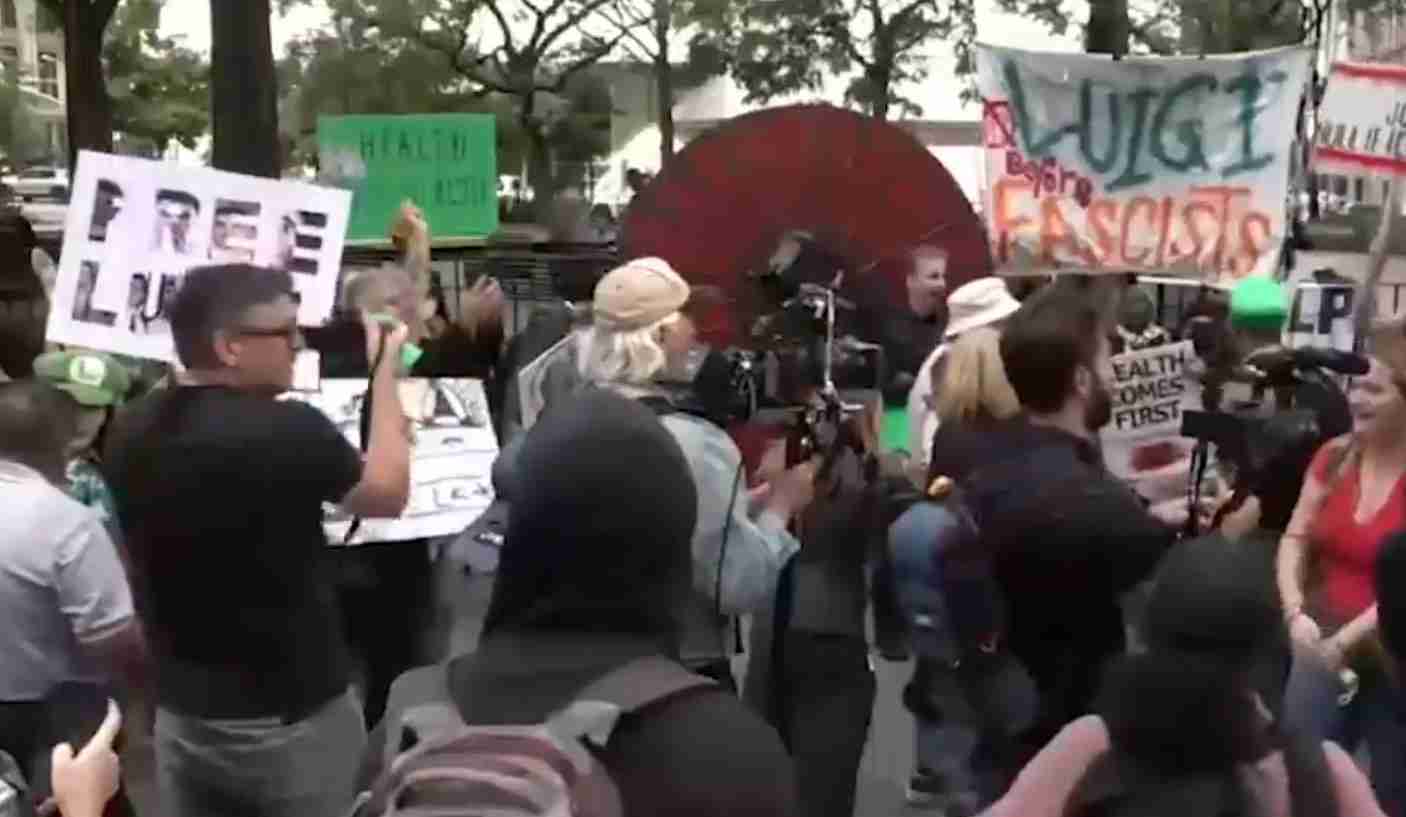
Federal prosecutors have warned that suspected attackers can inspire further violence if their actions gain notoriety. In one cited instance, authorities named a suspected attacker, Luigi Mangione, and cautioned that publicizing or celebrating his actions could spark copycat attacks.
Public reporting on Mangione is limited, but prosecutors’ warnings align with longstanding law enforcement concerns that notoriety for violent actors can spur imitation.
This warning is discussed in a podcast discussion.
The role of media and social platforms
Researchers stress the influence of how violent acts are covered: graphic imagery, unverified claims and the elevation of manifestos or celebratory content can create incentives for would-be imitators seeking attention or ideological validation.
Law enforcement guidance: Officials urge restraint in reporting violent imagery and suspect statements, and call for accountability where organized groups promote or praise violence.
These media-related concerns are explored in a podcast discussion.
Political and social fallout
The murders have deepened partisan divides. For many conservatives, the Charlie Kirk killing underscored perceived vulnerabilities for conservative voices at campuses and public events, prompting calls for expanded protections and stiffer penalties for politically motivated attackers.
Others warn that heavy-handed institutional responses could chill free speech. At the national level, policymakers and law enforcement view the surge in attacks as a growing domestic security concern.
Reporting sources include Wikipedia, “Shooting of Charlie Kirk” and a podcast discussion.
Implications for Redding, California
Economic impact
- Events and tourism: High-profile assassinations and warnings about a national assassination culture can reduce attendance at public gatherings, increase security costs, and harm vendors, hotels and tourism revenue.
- Business climate: Local businesses may face added security expenses and potential insurance cost increases if politically motivated attacks become normalized.
Political consequences
- Campaigning and town halls: Candidates and officials may curtail public appearances; reduced voter contact can alter local election dynamics.
- Law enforcement priorities: Shasta County agencies may be asked to expand protective details and coordinate with state and federal partners on threat assessments and event security.
Social effects
- Campus safety and free speech: Colleges and schools should review speaker policies and emergency plans while balancing safety and First Amendment obligations.
- Community tensions: National publicity around killings may fuel protests, targeted threats or heightened suspicion among local groups.
Cultural relevance
Redding’s local values — open debate, civic participation and personal safety — may spur calls for law-and-order measures, enhanced speaker protections, and intolerance for violent rhetoric in response to perceived threats.
Practical applications for residents and leaders
- Event security: Assess risks, use controlled entry points, bag checks, trained ushers and visible law enforcement to deter attackers.
- Reporting and prevention: Report threats and suspicious behavior to local law enforcement; schools, churches and venues should update emergency plans.
- Political rhetoric: Leaders and media should discourage violent language and conspiratorial claims that can drive escalation.
- Federal coordination: Local authorities should coordinate with the FBI and Department of Homeland Security for cross-jurisdictional threats.
Sources and reporting notes
This article draws on public reporting and analysis, including Wikipedia, “Shooting of Charlie Kirk” and a podcast discussion that places these killings in a wider context of political violence in the U.S.
Public details about the suspect referred to as Luigi Mangione are limited; federal prosecutors’ warnings about potential copycat inspiration reflect broader law enforcement concerns cited in those sources.