
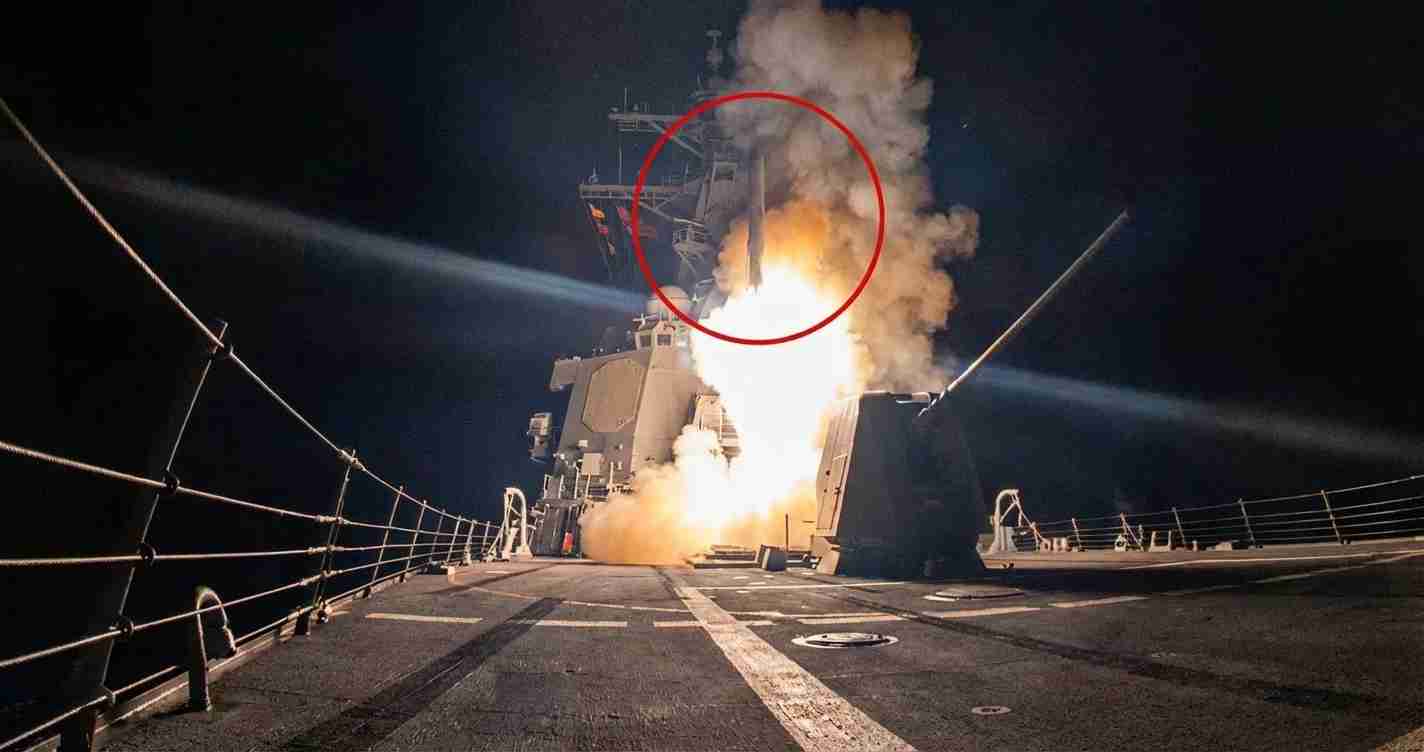
Trump orders Christmas Day US strikes on ISIS in Nigeria, cites protection of Christians as motive; Nigeria praises operation but disputes religious-only framing
On Dec. 25, 2025, President Donald Trump ordered surprise U.S. airstrikes against ISIS-affiliated militants in northwest Nigeria, citing protection of Christians as the motive; Nigerian authorities praised the operation while disputing that the violence is solely religious.
- Targeted strikes: U.S. airstrikes hit ISIS-affiliated targets in northwest Nigeria on Dec. 25, 2025, after public warnings by the president (Video report on YouTube, Video report on YouTube).
- Casualties unclear: U.S. officials said the strikes killed multiple militants, but exact figures and target details have not been independently confirmed (Video report on YouTube).
- Nigeria’s response: Nigerian authorities coordinated and welcomed disruption of militants but emphasized the violence harms many civilians and is not solely directed at Christians (Video report on YouTube).
- Strategic signal: Experts say the strikes show U.S. willingness to act and could pressure Nigeria to address governance failures that allow armed groups to grow (Video report on YouTube).
Key information
What: U.S. forces conducted coordinated airstrikes against ISIS-affiliated militants in northwest Nigeria on Christmas Day, Dec. 25, 2025.
Who: President Donald Trump ordered the strikes; U.S. military assets executed them with intelligence support from Nigerian authorities.
Reported outcome: U.S. officials said the strikes killed multiple militants, though independent verification and detailed casualty lists were not released.
Sources: Video report on YouTube, Video report on YouTube
What happened
According to video reports, U.S. military aircraft struck ISIS-linked militants in northwest Nigeria on Christmas Day. The operation was described as coordinated and carried out with intelligence support from Nigerian authorities. Officials in the reports said multiple militants were killed, but no independent battlefield verification or full target lists were released.
(Sources: Video report on YouTube, Video report on YouTube)
Why the White House says it acted
President Trump framed the strikes as an effort to protect Christians facing violence in parts of Nigeria. In video remarks he said he delayed the strikes from Christmas Eve to Christmas Day as a kind of “Christmas present” to militants and warned that continued attacks on Christians would draw further, lethal responses.
“If they keep slaughtering Christians, there will be many more dead terrorists,” the president said in the video reports.
The White House presents the action as part of a broader push to confront ISIS affiliates overseas and defend religious minorities; conservative audiences who prioritize religious freedom and decisive counterterrorism will likely view the strikes favorably.
Nigerian government reaction
Nigerian officials confirmed coordination with U.S. forces and provided intelligence support. Government spokespeople welcomed disruption of militant groups but pushed back on the notion that the violence targets only Christians.
“The attacks are aimed at innocent civilians and the wider region,” officials said, underscoring a more complex security environment where victims include many communities.
Local Christian leaders cited in the reports said militants seek to “cleanse the land” of Christians; the government response reflects a tension between appreciating international assistance and insisting the narrative reflect broader motives behind the violence.
Who was targeted and the local context
The strikes targeted ISIS-affiliated fighters operating in northwest Nigeria, groups that often overlap with local criminal gangs labeled “bandits” and with transnational networks across West Africa. Causes of violence in the region include weak governance, economic hardship, and porous borders that facilitate militant movement and recruitment.
While some local Christian leaders describe targeted religious persecution, analysts warn that labeling the conflict as purely religious can oversimplify a crisis driven by multiple incentives such as theft, kidnapping and territorial control.
Expert perspective
J. Peter Pham, who served as U.S. special envoy for the Sahel under Mr. Trump in the first term, told an interviewer the strikes demonstrate Washington’s willingness to act and may pressure Nigeria to address governance gaps that allow militants to flourish.
Pham argued U.S. attention can be both tactical — removing immediate threats — and strategic — creating domestic and international pressure for political leaders to respond to endemic insecurity.
His view aligns with a conservative argument for selective use of U.S. military power to protect vulnerable groups and hold partner governments accountable.
What is not yet clear
Open-source video reporting notes that official casualty counts and full target lists were not released. While clips described the strikes as killing “multiple militants,” they provided no detailed figures. Independent, on-the-ground verification in northwest Nigeria remains limited.
The strikes are consistent with a broader U.S. counterterrorism posture that has included actions against ISIS affiliates elsewhere, but many operational details remain opaque.
Implications for Redding, California
Economic impact
Direct economic effects on Redding are limited; there are no trade ties or local bases tied to the Nigeria strikes. However, national security decisions can ripple into global markets — if tensions affect oil prices, local gasoline costs could change, impacting shoppers and small businesses.
Political consequences
For conservative readers in Redding, the strikes reinforce a preference for strong U.S. action abroad, particularly to protect religious minorities. Local officials and campaigns may use the event to highlight decisive national security leadership or press for clarity on targeting and partner coordination.
Social effects
Redding’s active religious community may respond with prayers, fundraising for victims, or partnerships with humanitarian groups. Families of veterans and active-duty service members will monitor developments closely; even airstrikes can raise concern among military households.
Cultural relevance
The White House emphasis on protecting Christians abroad resonates with conservative cultural priorities in Redding. Faith-based messaging linking religious liberty and security could strengthen local support for policies that prioritize defending persecuted minorities.
Practical applications for residents
- Stay informed: Follow reputable news sources and humanitarian organizations before donating or volunteering.
- Faith-based action: Churches can support vetted humanitarian partners in Nigeria or prepare to assist refugees through established resettlement channels.
- Civic engagement: Contact congressional representatives to express views on U.S. policy in West Africa, urging clear oversight, rules of engagement, and long-term governance solutions in Nigeria.
Sources
Video reports on YouTube: Video report on YouTube
Video reports on YouTube: Video report on YouTube



