Trump: Investments Welcome but Laws Must Be Respected After Hyundai Raid; South Korea Moves to Repatriate Workers
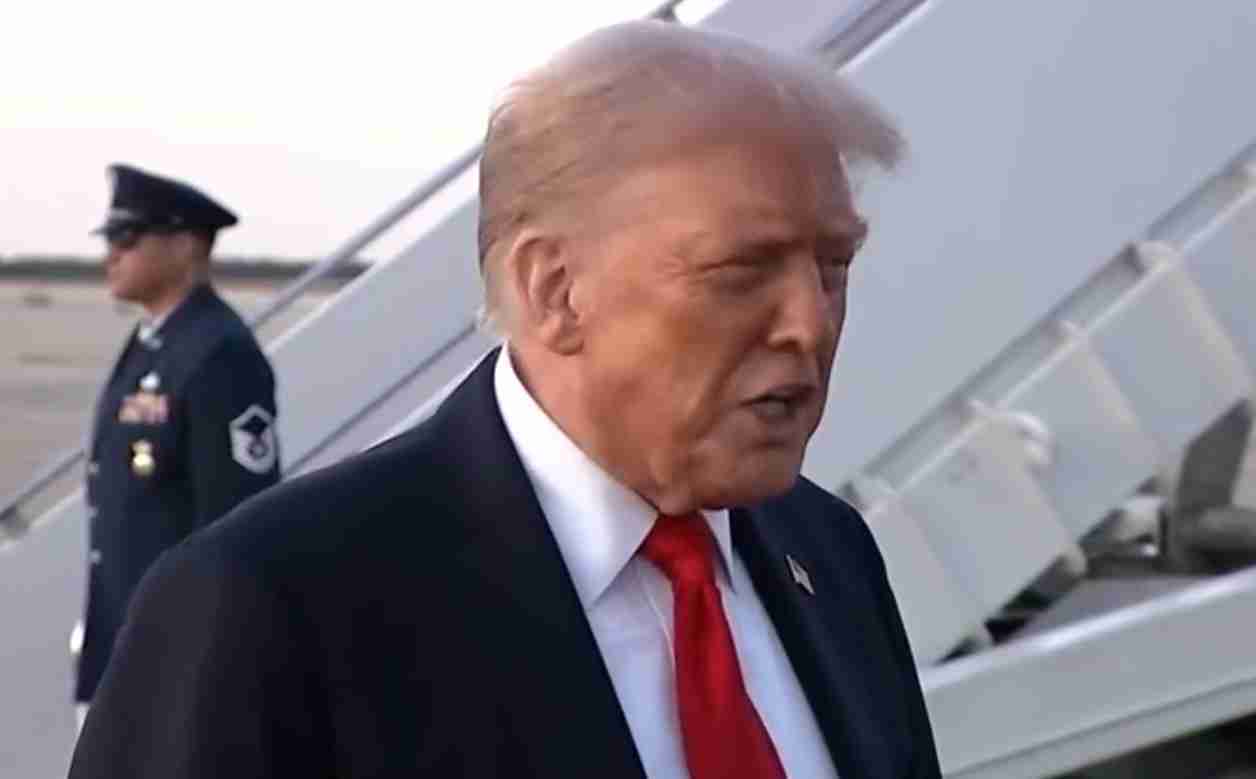
At Joint Base Andrews, President Donald Trump said foreign investment is welcome but must respect U.S. immigration laws after a federal raid at Hyundai’s Georgia battery plant that detained roughly 475 workers, most reported to be South Korean citizens.
Key takeaways
- Large-scale federal raid: About 475 people were detained at the Hyundai battery plant in Georgia; most were reported as South Korean nationals — see reporting from Times of India and the Economic Times.
- Repatriation deal: South Korea secured an agreement to release and return roughly 300 detained workers by charter flight, according to the Los Angeles Times and other reports.
- Policy signal: Trump emphasized that investment is encouraged but immigration compliance is “non‑negotiable,” and he floated temporary expert visas to let foreign specialists legally train American workers (see his remarks and linked videos).
Raid and detentions: what happened at the Hyundai battery plant in Georgia
Federal agents concluded a months‑long probe with a large-scale immigration enforcement action at the Hyundai battery plant in Georgia, detaining about 475 people. The facility — a joint venture between LG Energy Solution and Hyundai Motor Group that produces EV batteries — is central to U.S. clean-energy supply chains. Reporting on the detentions and the facility appears in the Times of India and the Economic Times.
Video and photos from the operation circulated widely, prompting swift diplomatic concern from Seoul. South Korean officials demanded explanations about the operation’s conduct and why so many foreign workers were on site, intensifying the political and public-relations fallout.
Trump’s reaction: law, jobs and a possible temporary-expert visa approach
President Trump responded publicly, using Truth Social to warn that foreign firms are welcome to invest in the U.S., but they must comply with American immigration law. He wrote that “Compliance with American immigration law is non‑negotiable,” while urging companies to “bring your very smart people, with great technical talent, to build World Class products” — provided they come legally (Times of India).
In public remarks at Joint Base Andrews, Trump said the raid would be reviewed and suggested balancing enforcement with industry needs, acknowledging that advanced sectors sometimes require outside expertise temporarily to train U.S. workers. (Watch his remarks: video 1; video 2.)
“We want to hire and train American workers,” he said, adding he would consider temporary legal stays for experts who can teach U.S. employees on the job.
Policy framing: Trump presented a pro-growth but law‑firm stance: foreign investment is valuable, yet it cannot undercut American jobs or the rule of law.
South Korea’s response and the repatriation plan
Seoul reacted with urgency and regret over how the arrests and visual coverage unfolded. In talks with U.S. counterparts, South Korea secured agreement to release and repatriate about 300 of the detained workers; officials said a charter flight was proposed once administrative steps were completed (Los Angeles Times; Economic Times).
South Korea’s foreign minister traveled to the U.S. for talks to resolve the matter and to protect bilateral relations. Officials stressed that long-standing ties should not be fractured and described relations as resilient while they finalize repatriation terms.
Diplomatic and policy implications: enforcement, investment and the labor pipeline
The episode crystallizes competing priorities: the need to attract critical clean-energy investment versus the mandate to enforce immigration and labor law. The raid underscores that enforcement actions can carry international consequences requiring diplomatic negotiation.
Trump’s comments hint at a policy path that keeps enforcement visible while exploring legal, temporary pathways for foreign experts who train American workers. That might include new or expanded visa categories for short-term trainers in sectors like battery manufacturing — a direction that seeks to reassure businesses while addressing voter concerns about jobs and the rule of law.
Unresolved questions and areas under review
Key details remain unclear: officials have not fully described the alleged unlawful employment practices, the complete probe timeline, or the exact legal grounds for each detention. Administrative and diplomatic exchanges are continuing as numbers and legal bases are clarified (Times of India; Economic Times).
It is also uncertain whether the White House or Congress will quickly create a targeted temporary-expert visa category; any new policy would require careful drafting to protect American workers while meeting industry needs.
Implications for Redding, California
Economic impact and job training
Redding and the North State region are connected to national manufacturing and energy supply chains. If federal policy moves toward temporary expert visas to train American workers, local firms and community colleges in Redding could gain new training partnerships, apprenticeships, and supplier opportunities tied to the EV industry.
Local readiness and political consequences
Local leaders should watch federal policy and court developments. Workforce boards and community colleges can position themselves as partners if companies must document legal hiring and training plans. Politically, the episode will resonate with conservative voters who prioritize law enforcement and American jobs; elected officials may be pulled between supporting enforcement and courting investment.
Practical effect: Residents likely won’t see immediate change, but longer-term outcomes could include new job-training programs, supplier contracts, and recruitment of manufacturing activity — all contingent on federal policy direction.
Sources and further reading
- Times of India: Bring very smart people — legally: Trump’s warning to foreign companies after Hyundai plant raid
- Economic Times: Bring your very smart people legally, Trump to foreign companies in US after Hyundai plant raid; South Korea to bring home 300 detained workers
- Los Angeles Times: Seoul says it has reached a deal for release of Hyundai workers caught in Georgia raid
- Trump remarks (video 1) and (video 2)