Trump, Mamdani find unexpected common ground on housing in Oval Office — both vow to tackle NYC affordability crisis
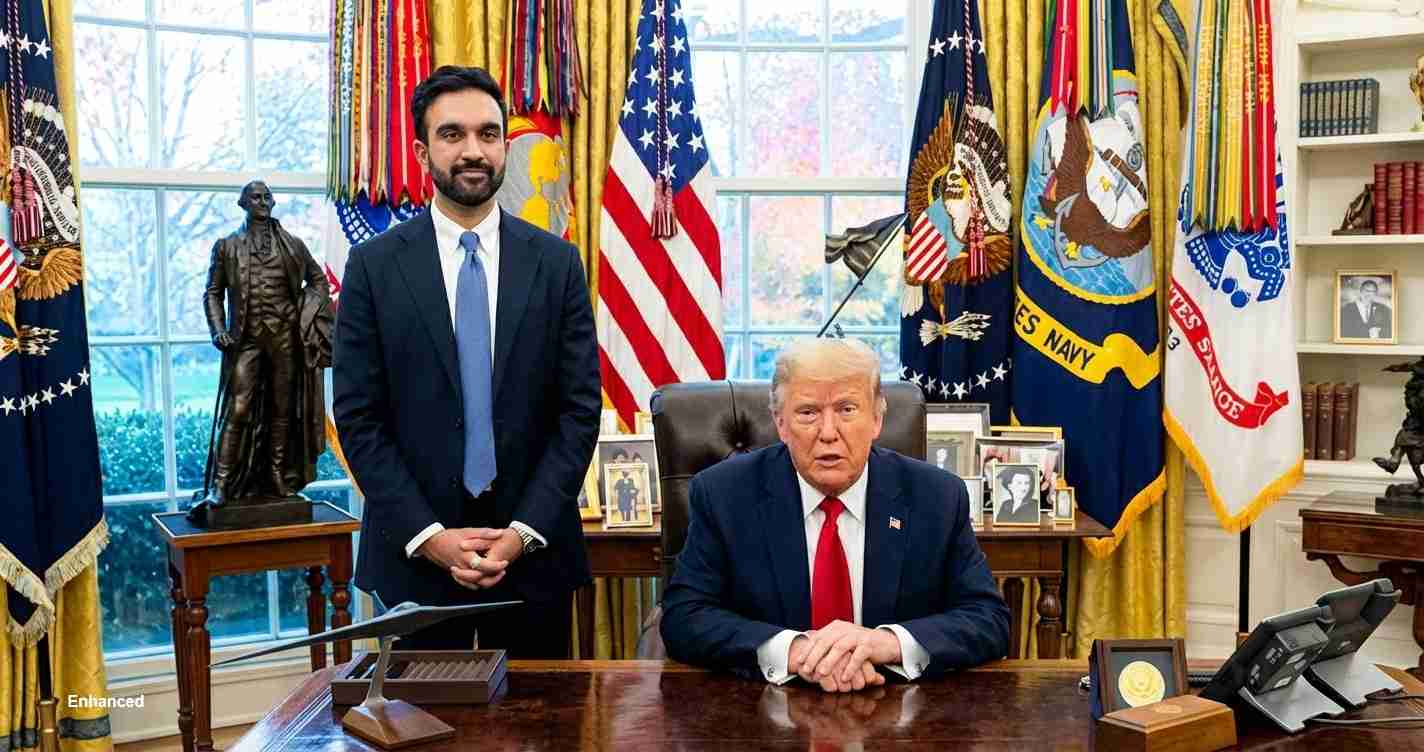
President Trump and Mayor‑elect Zohran Mamdani met in the Oval Office, striking a rare bipartisan tone focused on lowering housing costs, building units, and addressing utility prices amid New York’s escalating affordability crisis.
Key takeaways
- Unexpected meeting: The Oval Office sit‑down was civil and focused on affordability rather than past public attacks — see the video of the meeting.
- Shared priorities: Both leaders emphasized lowering rents, building more housing units, and tackling utility costs as central goals.
- Practical not ideological: Mamdani pledged to cooperate on policies that help New Yorkers while opposing measures he deems harmful; Trump appeared to soften threats to cut federal funding.
- Broader impact: Analysts say the photo op could reshape messaging ahead of 2026 and may influence national policy discussions that affect places like Redding, California.
Main coverage
Oval Office meeting: an unexpected thaw
After a heated campaign season marked by sharp public barbs — including Trump once calling Mamdani a “communist” and Mamdani’s sharp criticisms in return — the two leaders sat down in the Oval Office and kept the exchange civil and focused. Video evidence shows a polite meeting centered on the immediate hardships New Yorkers face, particularly housing and the cost of daily living: see the video of the meeting.
Shared agenda: affordability and New York housing costs
Both men framed the affordability crisis as an urgent problem. Mamdani emphasized the scale of hardship and cited poverty and transit burdens as evidence voters demanded change; reporting summarized his comments in the Fox News report. Trump focused on practical fixes like increasing housing supply and lowering utility costs. Both discussed rent relief, supply increases, and cheaper utilities as components of a broader relief strategy (additional interview; video of the meeting).
Policy points on the table
- Building more housing units: Both leaders discussed supply increases as a long‑term remedy (video of the meeting).
- Rent relief and affordability measures: They outlined possible programs to ease rent burdens and daily expenses for struggling families (additional interview; Fox News report).
- Utility costs and energy providers: The conversation included reducing utility bills and scrutiny of major providers such as Con Edison (video of the meeting).
- Public safety and economic security: Both tied affordability to safety and jobs, arguing economic relief stabilizes neighborhoods (additional interview; further remarks).
Notable moments and the tone shift
Reporters pressed Mamdani about past comments comparing Trump to a fascist; the exchange turned surprisingly light. Video shows Trump jokingly suggesting Mamdani could say “yes” when asked if Trump was a fascist, and the president offered a partial defense during the exchange (video of the meeting).
“The handshake, smiles, and photos turned suspicion into an image of cooperation,” observers noted.
Politically, Trump also softened earlier rhetoric about withholding federal funds if Mamdani prevailed, suggesting a more pragmatic posture after the Oval Office talk (Fox News report).
Mamdani’s stance: cooperation with limits
Mamdani, a self‑described democratic socialist, emphasized outcome‑driven cooperation: he will work with the president on policies that help New Yorkers and oppose those he judges harmful. His campaign message framed victory as a mandate from voters tired of high costs; he noted even some Trump voters supported him for relief from rising expenses (additional interview; further remarks).
Political implications beyond the meeting
Analysts say the optics of agreement could complicate efforts to label Mamdani as an extreme outlier. The photo op and carefully framed cooperation make a simple partisan narrative harder to sustain heading into the 2026 midterms. Both leaders framed the meeting as limited and transactional, signaling any cooperation will be issue‑specific rather than a broader alliance (video of the meeting; additional footage).
Implications for Redding, California
Economic impact
Redding families face many of the same cost pressures discussed in Washington. Federal and municipal moves to lower utility rates or expand housing supply could influence national markets and regulatory approaches that affect California utilities and housing programs. Local leaders should monitor federal incentives and funding tied to housing production or utility oversight.
Political consequences
The meeting shows bipartisan cooperation can arise around affordability. For conservative leaders in Redding, this may open space to press for practical, non‑ideological solutions focused on outcomes rather than rhetoric.
Social effects
If major metros ease housing pressure, migration into smaller communities like Redding could slow, affecting local housing demand, schools, and services. Federal housing program expansions may also bring funding and new residents to California.
Cultural relevance
Local conservatives often prioritize fiscal responsibility, public safety, and local control. The Oval Office meeting highlights that leaders across the spectrum can emphasize those priorities while proposing different policy paths.
Practical applications for residents
- Watch for federal grant announcements tied to housing production or utility relief and encourage local officials to apply.
- Push for transparent, measurable plans to use any new funding to address housing shortages or cost drivers.
- Expect discussions about utility regulation and rate oversight; consumers could benefit from stronger scrutiny.
- Demand measurable results from local leaders — outcomes will likely matter more than rhetoric.
Reporting and next steps
Federal agencies and New York officials may follow up on ideas discussed. Local leaders in Redding should monitor federal notices, state housing initiatives, and any shifts in utility regulation. The Trump‑Mamdani meeting puts NYC affordability at the center of a bipartisan conversation; how talk becomes policy will affect communities nationwide.
Sources and access
- Video of the Oval Office meeting
- Fox News report on Mamdani’s willingness to work with Trump
- Additional interview and remarks
- Further video remarks
- Supplementary footage
Preserved facts: All original facts, information, and URLs listed in reporting and video sources have been retained above for verification and follow‑up.