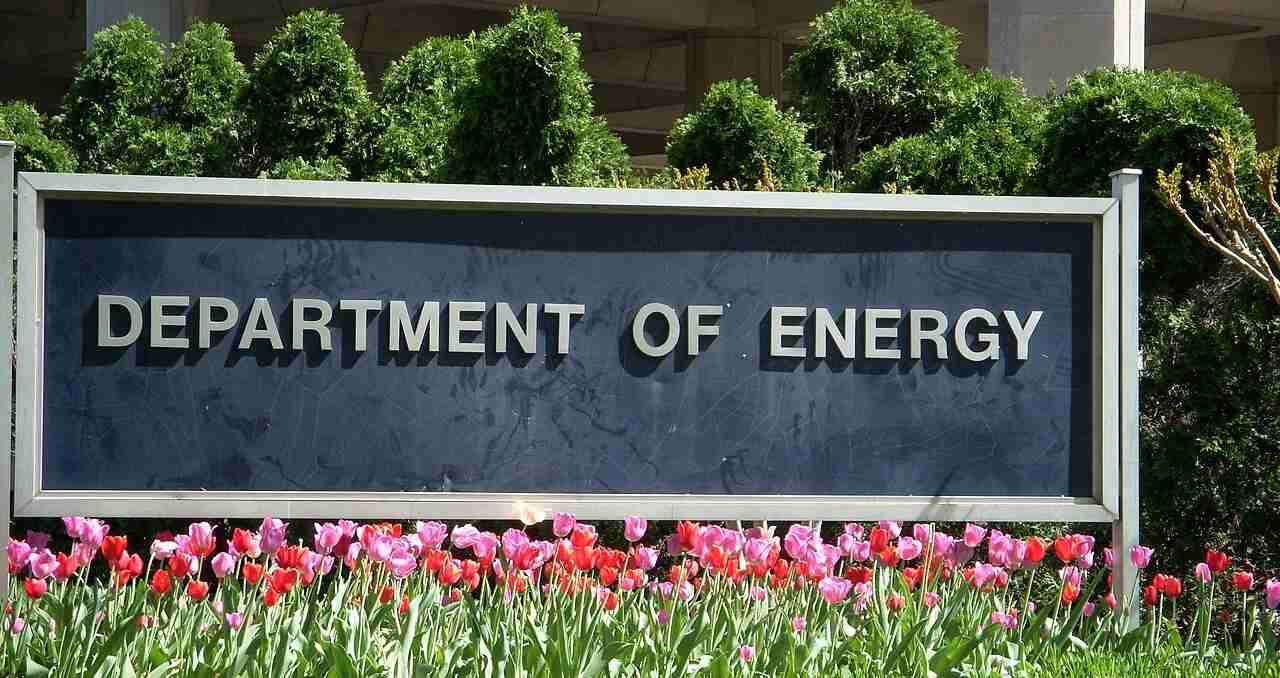
Trump signs executive order launching “Genesis Mission” — a federal AI push to speed scientific discovery and shore up national security
On Nov. 24, 2025, President Donald Trump signed an executive order launching the “Genesis Mission,” a sprawling federal AI initiative designed to accelerate scientific discovery, strengthen U.S. AI leadership and marshal public‑private resources to tackle energy and engineering challenges.
- Genesis Mission: A federal AI program to pool government data, supercomputing and private AI resources to speed research on energy, manufacturing, semiconductors, quantum and nuclear challenges.
- Scale: Administration officials say the initiative could involve more than $100 billion in combined public and private investment.
- Lead: The Department of Energy and national laboratories will build a centralized, searchable scientific data platform to underpin AI-driven discovery.
- Security & oversight: Officials promise strict controls on classified data and clearer federal coordination of AI regulation to protect national‑security interests.
What is the Genesis Mission?
The Genesis Mission is a broad federal AI initiative directing the government to pool scientific data, computing and research assets to accelerate discovery across hard engineering and energy problems while bolstering national security. The order tasks the Department of Energy and national laboratories with building a centralized digital platform to consolidate government scientific data as the backbone for AI-driven research, according to administration officials and reporting by multiple outlets including Axios and WTOP News.
From the executive order: “The Genesis Mission will bring together our Nation’s research and development resources—combining the efforts of brilliant American scientists, including those at our national laboratories, with pioneering American businesses; world‑renowned universities; and existing research infrastructure, data repositories, production plants, and national security sites—to achieve dramatic acceleration in AI development and utilization.”
How the program will work
Public‑private partnerships are central to the plan. The order solicits private companies and universities to contribute their AI tools, models and computing resources alongside government data and national‑lab supercomputers to solve targeted problems — including grid modernization, energy infrastructure resilience and manufacturing supply‑chain resilience. Administration officials said partners will be invited to contribute expertise and computing power to joint projects designed to produce practical, deployable results. Reporting notes the initiative spans many technical fields, while medical research was not highlighted as a primary focus (WSLS‑TV, Seattle PI).
A centralized data platform
One of the first tasks under the order is building a consolidated, searchable digital platform of government scientific datasets. The Department of Energy and national labs will lead efforts to aggregate datasets, ensure interoperability and provide secure access points for approved private and academic partners. Officials say the platform aims to shorten the time from data to discovery by making high‑quality government datasets usable for advanced AI models (Axios, TechPolicy Press).
National security, data controls and regulation
Because projects mix civilian and sensitive work, the administration emphasizes strict controls. Officials said classified and protected information will be shielded from unauthorized access via national‑lab and government‑grade security for projects with national‑security implications. The order also directs clearer federal coordination of AI oversight — signaling a move to centralize some regulatory aspects to maintain U.S. AI leadership and better guard strategic technologies (WTOP, Axios).
Funding, scale and precedent
The administration framed Genesis as a long‑term, well‑funded effort that could mobilize more than $100 billion in investment from federal spending, lab upgrades, partner contributions and private capital — though final budgets will require congressional or agency action. Multiple outlets compared the ambition to the Manhattan Project and the space race, signaling the aim to produce breakthroughs with national‑security and economic advantages (Seattle PI, Le Monde).
Where Genesis fits in broader strategy
Genesis builds on prior administration efforts: easing permitting for data centers, encouraging private investment, and advocating regulatory approaches intended to accelerate development while protecting core national interests. The order is framed as an assertion that the U.S. must secure its technological edge through coordinated federal action, private‑sector innovation and university research — consistent with conservative priorities emphasizing national security, domestic industry strength and energy dominance (TechPolicy Press, Axios).
Questions and watch points
Investigative reporting and public oversight will likely examine:
- How funds are allocated and whether Congress fully finances the scale administrators describe.
- Which companies and universities gain access to the centralized platform and under what terms.
- How classified and commercially sensitive data will be protected while enabling meaningful collaboration.
- Whether workforce development reaches smaller communities or concentrates benefits in established tech hubs (WTOP, Axios, Seattle PI).
Implications for Redding, California
Economic impact
Redding could benefit from jobs and investment if private partners, data centers, or regional energy projects choose Northern California sites for deployment or testing. The Genesis Mission’s emphasis on grid modernization and energy infrastructure could yield federal grants for local upgrades to improve reliability and reduce wildfire risk. Partnerships with community colleges and workforce programs could create training pipelines in advanced manufacturing, energy systems and AI support roles.
Political consequences
Local conservative leaders may tout Genesis as federal support for energy dominance and national security — themes likely popular with Redding voters. Yet the push to centralize AI regulation may raise concerns among conservatives wary of expanded federal authority. County officials will watch how federal funding and permits intersect with local land use, environmental standards and utility oversight.
Social effects
Upgrades to the electric grid and energy infrastructure could reduce outage risks during wildfire seasons and improve public safety. Job creation in technical and construction roles could benefit younger workers and veterans, contingent on local training programs and outreach to ensure Redding residents access new opportunities.
Practical applications
Tangible near-term changes for Redding may include: grant‑funded grid hardening projects, AI‑based wildfire detection pilots, increased permitting for data centers or solar and battery facilities, and workforce training partnerships between institutions like Shasta College and regional employers. Local officials should review permit processes and workforce plans to position the county for potential funding and contracts.
Reporting notes and sources
This article draws on reporting and briefing materials from multiple outlets and White House briefings. Officials spoke to reporters on condition of anonymity to describe the order before it was signed.
Sources and further reading
- Axios
- WTOP News
- WSLS‑TV
- TechPolicy Press
- Seattle PI
- Le Monde
- Additional reporting and source materials provided to Times Media Service (source list included above).