Trump Chicago Meme Ignites Debate Over Federal Intervention; Trump Reporters Clash as Former President Says, “That’s Not War, That’s Common Sense”
Former President Donald Trump posted an AI-generated “Apocalypse Now” style meme showing him as a military commander over a burning Chicago skyline, prompting Illinois leaders to condemn the image and sparking debate over federal intervention, crime and immigration enforcement.
Key takeaways
- AI-generated image: Trump shared an AI-altered “Apocalypse Now” themed meme with the caption “I love the smell of deportations in the morning.”
- Political backlash: Illinois Gov. JB Pritzker and Chicago Mayor Brandon Johnson called the post a threat of militarized federal action.
- Public exchange: When asked if he would “go to war” with Chicago, Trump replied, “That’s not war, that’s common sense.”
- Local impact: Redding, California leaders are watching how federal enforcement priorities and rhetoric may affect local economies, politics and community relations.
The meme and what it shows
Former President Donald Trump posted an AI-generated image on Truth Social that echoes imagery and tone from the Vietnam War film Apocalypse Now. The image depicts a smoking Chicago skyline, military helicopters and Trump posed like a battlefield commander, with text reading “I love the smell of deportations in the morning.”
Reporting on the image and its framing appeared in national outlets, including Fox News.
Rhetoric: “Department of WAR” and supporters’ framing
Trump also referenced renaming the Department of Defense the “Department of WAR” in posts and remarks — language critics say signals willingness to use force in domestic disputes. Supporters counter that the phrasing reflects a direct, law-and-order approach to crime and immigration concerns.
See related reporting in the Washington Examiner for coverage of his remarks and the ensuing reactions.
Backlash from Illinois leaders and lawmakers
Illinois Gov. JB Pritzker and Chicago Mayor Brandon Johnson condemned the post, saying it implied a threat of federalized force in a city already dealing with violence and community tensions. Several Democratic lawmakers — including Rep. Mike Quigley and Sen. Tammy Duckworth — warned the rhetoric risks encouraging authoritarian tactics and deepening political divides.
Local reporting and commentary were summarized by outlets such as Fox32 Chicago and national outlets like Fox News.
The exchange with reporters
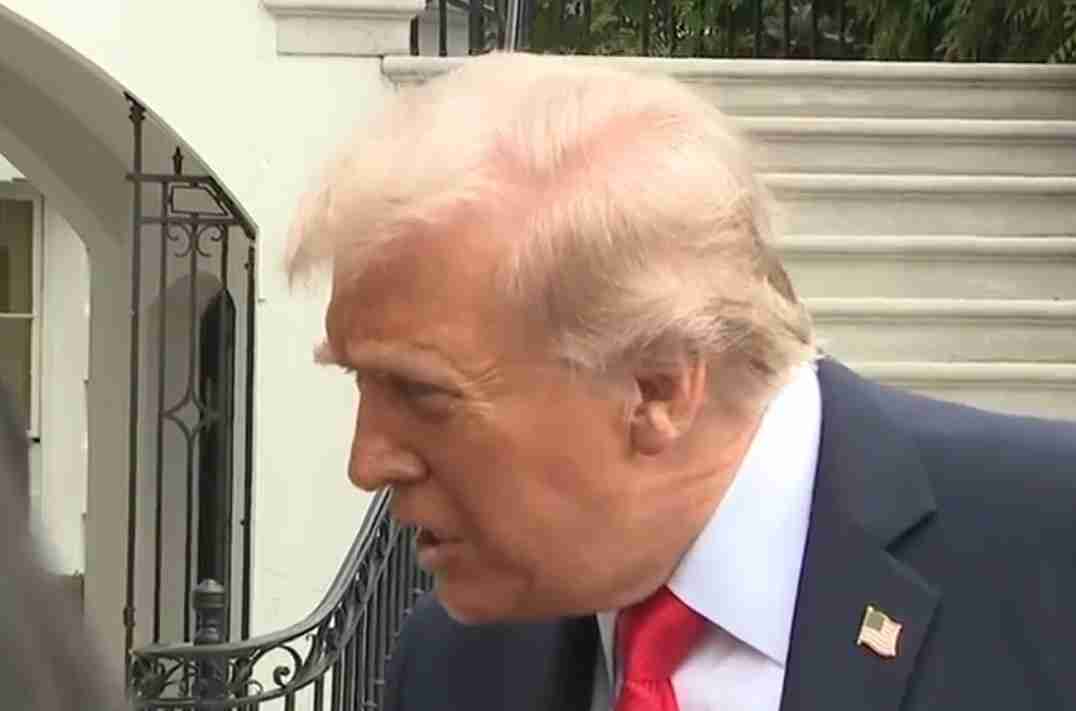
Outside the White House, reporters pressed Trump on whether he was prepared to “go to war” with Chicago. Video shows Trump interrupting a reporter and saying,
“be quiet, listen. You don’t listen. You never listen. That’s why you’re second-rate.”
He followed:
“We’re not going to war, we’re gonna clean up our cities. We’re gonna clean them up, so they don’t kill five people every weekend. That’s not war, that’s common sense.”
Video of the exchange circulated widely; see recorded clips on YouTube and related coverage in the Washington Examiner.
Policy context: Federal intervention in cities
Trump has suggested sending federal personnel — including law-enforcement units — to cities such as Chicago to address crime and immigration enforcement. Aides have indicated major actions could follow quickly, recalling prior instances when federal forces were deployed during unrest.
Local officials in some cities are preparing for increased ICE activity and federal operations, while some members of Congress and civic leaders push back, warning that massing federal troops or using the National Guard in political fights would cross legal and political lines. For context, see coverage in the Washington Examiner and reporting compiled by Fox News.
Implications for Redding, California
Local leaders in Redding should consider how national rhetoric and policy shifts could ripple into their community across economic, political and social dimensions.
Economic impact
- Public safety and tourism: Perceptions about urban safety can affect tourism and retail that benefit Redding and the wider region.
- Labor markets: Changes to immigration enforcement could alter labor supply in sectors like construction and agriculture.
- Federal funding shifts: If resources concentrate on large-city crime initiatives, smaller jurisdictions may need state or local funding to maintain services.
Political consequences
- Conservative voters in Redding may view the meme and the “common sense” framing as strong public-safety messaging.
- Conversely, state-federal tensions — especially in California — could place local officials between state policy and federal enforcement pressures.
Social effects
- Community relations: Aggressive enforcement or heated rhetoric can strain ties between immigrant communities and law enforcement.
- Public perception: High-profile national confrontations may prompt calls for visible policing and emergency preparedness locally.
Cultural relevance
- Local identity: The phrase “That’s not war, that’s common sense” may resonate with conservative constituents prioritizing decisive action.
- Civil liberties debate: Residents wary of federal overreach may push back against perceived politicized deployments.
Practical applications for local leaders and residents
City managers, police chiefs and elected officials in Redding can take concrete steps to prepare for any downstream effects:
- Review mutual-aid agreements and points of contact with federal agencies such as the Department of Homeland Security and ICE to clarify responsibilities.
- Update emergency plans and training so that community outreach and response roles are clear to residents.
- Communicate clearly to distinguish political rhetoric from operational plans and reassure residents about local impacts or lack thereof.
Reporting note and sources
This article draws on published reporting and video. Primary sources include:
- Fox News
- Washington Examiner
- Fox32 Chicago
- Video of the White House exchange (YouTube)
- Additional recorded footage (YouTube)
Note: Facts, quotes and links above reflect reporting from the cited outlets and recorded video of the exchange.