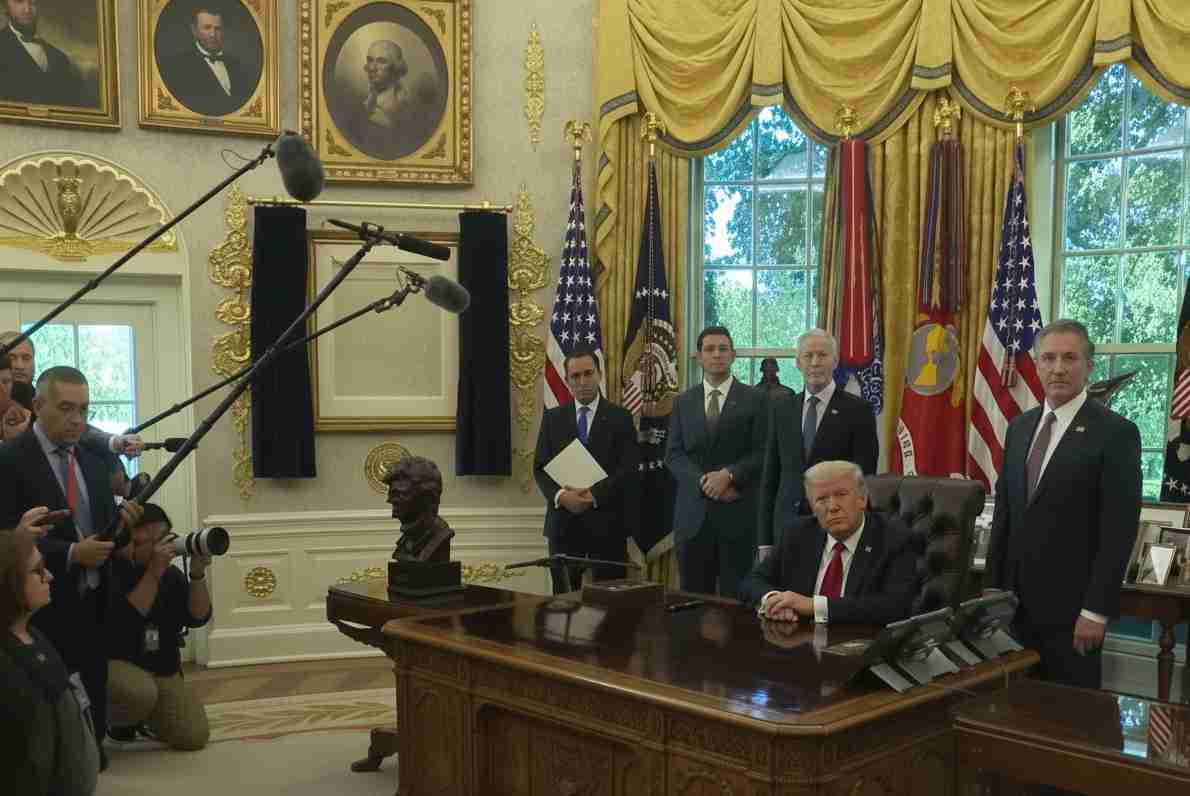
Trump slams Democrats for shutting down government, demands it reopen tonight
Donald Trump accused Democrats of shutting down the U.S. government and demanded an immediate reopening, saying he’d negotiate on Affordable Care Act subsidies only after federal operations resume as the shutdown entered its first days.
- Immediate demand: Trump posted on Truth Social blaming Democrats and urged they reopen funding the same night; Times of India covered the remarks.
- Standoff basics: The shutdown began Oct. 1, 2025, after Congress failed to pass funding amid fights over spending, foreign aid and healthcare subsidies (Wikipedia).
- Human cost: Public estimates include nearly 900,000 furloughed employees and about 700,000 required to work without pay (Wikipedia).
- Local impact: Communities like Redding, California face payroll, service and public-safety ripple effects tied to federal funding disruptions.
What Trump said and where he stands
Public message: Taking to Truth Social, Trump wrote that “Democrats have SHUT DOWN the United States Government … And it should not have happened,” urging Democrats to reopen funding that night. His post and subsequent statements follow longstanding Republican messaging framing the shutdown as Democratic obstruction (Times of India).
Negotiation posture
Though blaming Democrats, Trump signaled conditional willingness to negotiate on healthcare subsidies tied to the Affordable Care Act. He emphasized a clear sequence: reopen first, negotiate later. He described readiness for the “right deal” on subsidies but insisted talks must follow the reopening of government operations (Times of India).
Democrats push back
Leadership response: House Minority Leader Hakeem Jeffries said he was “not aware of any Democrats who have spoken” with Trump about reopening the government. Senate Minority Leader Chuck Schumer denied negotiations were underway but added Democrats would meet if Republicans and Trump were serious. These denials contrast with Trump’s framing and highlight conflicting public narratives (Times of India).
How the shutdown started and what’s at stake
The shutdown began at 12:01 a.m. EDT on Oct. 1, 2025, after Congress failed to pass appropriations or a continuing resolution for fiscal 2026. The immediate standoff focused on overall spending levels, foreign aid and healthcare subsidies tied to the Affordable Care Act (Wikipedia).
Legislative maneuvering: The House passed a short-term continuing resolution to extend funding to Nov. 21, 2025, but Senate Democrats blocked it, arguing it lacked protections for healthcare subsidies and other priorities. For a running update and timeline, see the White House government shutdown clock and the public record summarized on Wikipedia.
The human and economic cost
Estimates show nearly 900,000 furloughed employees and roughly 700,000 working without pay, delaying paychecks and straining household budgets. Federal contractors and small businesses that depend on government spending face unpaid invoices and lost revenue, while local economies feel the ripple effects (Wikipedia; National Conference of State Legislatures).
Accusations of partisan messaging and Hatch Act concerns
Reports emerged that some federal offices issued automatic email replies blaming Democrats for the shutdown. Critics warned those messages might violate the Hatch Act if partisan language was inserted into official communications while employees were on duty. That raises questions about managerial direction and political appointee involvement (Wikipedia).
Investigative note: claims of negotiations vs. denials
A notable discrepancy exists between Trump’s public claim of behind-the-scenes talks and Democratic leaders’ denials. This gap matters because public claims of negotiation can exert pressure on lawmakers and shape public perception; denials raise questions about transparency and coordination.
Policy specifics on the table
Healthcare subsidies for ACA plans were central to the dispute. Democrats insisted subsidies continue to protect affordability for low- and middle-income Americans, while Republicans and the administration criticized program costs and sought limits or structural changes. Trump said he would consider changes only after the government reopens (Times of India).
Implications for Redding, California
Economic impact: Federal employees and contractors in the Redding area risk delayed paychecks and cash-flow problems. Small businesses that rely on federal land agencies or federal workers could see reduced demand and delayed payments from agencies like the U.S. Forest Service.
Public safety and services: Reduced federal staffing may affect permits, inspections and interagency coordination for wildfire response and land management — services critical to Redding and nearby communities.
Healthcare and subsidies: Any disruption to ACA subsidies could raise insurance costs for families in Shasta County and strain local clinics that serve low-income residents.
Political consequences: Local voters and officials will watch how leaders assign blame and negotiate policy trade-offs; messaging from national figures like Trump is likely to reverberate among local Republican officials.
Practical advice: Residents should prepare for administrative delays (passports, permits), review contract cash flows, and monitor official guidance from agencies and local leaders.
Sources and where to read more
- Times of India coverage of Trump’s statements
- Wikipedia entry on the 2025 shutdown (overview, staffing, furlough data)
- White House government shutdown clock and updates
- National Conference of State Legislatures on shutdown impacts for states and programs
- House statement and related material on the 2025 shutdown
Reporting and verification notes
This article synthesizes public statements by President Trump and congressional leaders, reporting summarized by Times Media Service, and public records on the 2025 federal government shutdown. Readers can consult the linked sources above for primary posts, official statements and background data. All original facts and URLs cited in source material have been preserved.