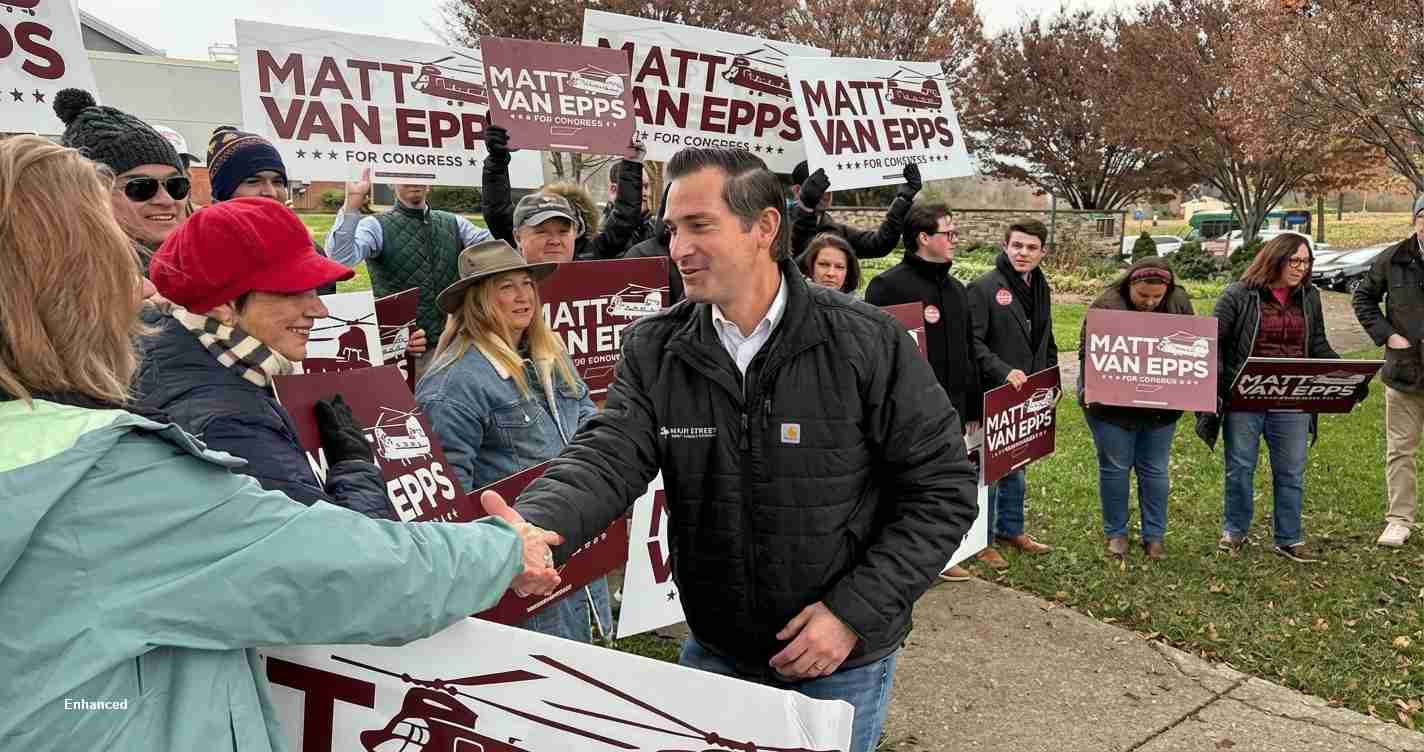
Trump-Backed Republican Matt Van Epps Holds Tennessee Seat in Special Election, Signaling GOP Strength — But Democrats Gain Ground
In a closely watched special election on December 2, 2025, Republican Matt Van Epps, endorsed by former President Donald Trump, won Tennessee’s 7th Congressional District, defeating Democrat Aftyn Behn and keeping the seat that was vacated by Rep. Mark Green.
- Winner: Matt Van Epps (R) — 96,988 votes (53.9%)
- Runner-up: Aftyn Behn (D) — 81,044 votes (45.0%)
- Margin & significance: Van Epps led by 8.9 points; Democrats improved nearly 7 points from 2024, making the race an early barometer for 2026
Background: why the special election mattered
The contest followed the resignation of Republican Rep. Mark Green on July 20, 2025 and produced a December 2, 2025 special election to fill the vacancy. The race drew national attention because the district has been reliably GOP, and strategists viewed the outcome as an early test of momentum heading into the 2026 midterms. For official summaries and compiled results, see the Wikipedia: 2025 Tennessee’s 7th congressional district special election.
The candidates and their campaigns
Matt Van Epps is a military veteran and served as Tennessee’s Department of General Services commissioner in 2024–25. He won the GOP primary on October 7, 2025 with about 51.56% and carried 12 of 14 counties in that primary. Van Epps ran a conservative campaign and embraced an endorsement from former President Donald Trump — a strategy he said helped mobilize Republican turnout. Reporting on the election and Van Epps’s victory is available in the Lethbridge News Now article.
Aftyn Behn, a state representative from Tennessee’s 51st district since 2023, prevailed in a competitive Democratic primary and targeted suburban voters in Williamson, Montgomery and Davidson counties with a focus on bread-and-butter issues. Her campaign narrowed the gap compared with 2024 and underscored improved organization in key suburban areas (Wikipedia summary).
Campaign finance and turnout
Final campaign finance figures showed heavy spending by both sides: Van Epps reported roughly $992,716 in spending, while Behn and allied groups combined for about $1,230,629. Despite the Democratic spending edge in the final accounting, Van Epps’s ground game and the Trump endorsement were credited with mobilizing core Republican voters. Turnout patterns indicated a reliable GOP base and improved Democratic performance in suburban and urban pockets that cut into the 2024 margin (official summary).
Trump’s endorsement and campaign messaging
Van Epps leaned into the endorsement. After his win he said, Running from Trump is how you lose. Running with Trump is how you win,
thanking the former president for support he credited with increasing momentum and turnout. The alignment helped consolidate the conservative base but required the campaign to defend nationalized themes in more moderate areas (Lethbridge News Now).
Why Democrats improved — and why that matters
Although Van Epps won by about 8.9 percentage points, Democrats increased their vote share by roughly 6.95 points compared with 2024. Analysts note that special elections favor well-organized turnout operations; the shift suggests Democrats can make inroads in suburban districts with sustained investment in outreach and messaging. For a compiled results breakdown, see the Wikipedia election page.
What this result signals for 2026
The GOP hold is a short-term win for conservatives seeking to defend House control, but the narrowing margins point to potential competitiveness in 2026. Van Epps will serve the remainder of the 119th Congress through January 3, 2027, giving him an incumbency platform ahead of any full-term run. Party leaders on both sides are likely to study county-level turnout and message testing to shape resource allocation next year (detailed summary).
Sources and verification
This report draws from local and compiled sources, including media coverage and official tallies. Key sources include the Lethbridge News Now article: “Trump-backed Republican Matt Van Epps wins U.S. House special election in Tennessee” and the Wikipedia: 2025 Tennessee’s 7th congressional district special election summary of results and context.
Implications for Redding, California
Economic impact: A GOP hold in Tennessee does not directly change federal funding flows to Redding, but it helps sustain a House posture that could influence spending priorities and appropriations debates in Washington. Local leaders seeking federal infrastructure or wildfire resilience grants should watch how House priorities develop (summary).
Political consequences:
- Local GOP strategy: Redding conservatives may view Van Epps’s win as confirmation that party unity and clear messaging work in down-ballot races, and may emphasize turnout operations and high-profile endorsements.
- Democratic organizing: The improved Democratic showing in Tennessee highlights risks for safe areas — Democrats can gain with focused suburban outreach, so Redding Republicans should prioritize contact with persuadable voters.
Social and cultural effects: The race reinforced that economic messaging and public-safety themes resonate with conservative voters. For Redding communities, issues like jobs, schools and cost of living will remain central and intensify local campaigning by both parties.
Practical applications for Redding residents:
- Strengthen door-knocking, phone banks and targeted mailings now to protect margins.
- Recruit candidates with credible backgrounds — veterans and public servants resonated in Tennessee.
- Focus on sustained small-dollar fundraising and local events; money and earned media matter in close races (reporting).
Reporting note
This article is based on public reporting and compiled election results from media coverage and election summaries. For county-by-county tallies and official filings, consult the Tennessee Secretary of State and the source reporting linked above (Lethbridge News Now, Wikipedia).