Whoop CEO Says White House Photo Shows Secure Fitness Tracker, Not a Smartwatch — Security Fears Over Susie Wiles’ Device Ease
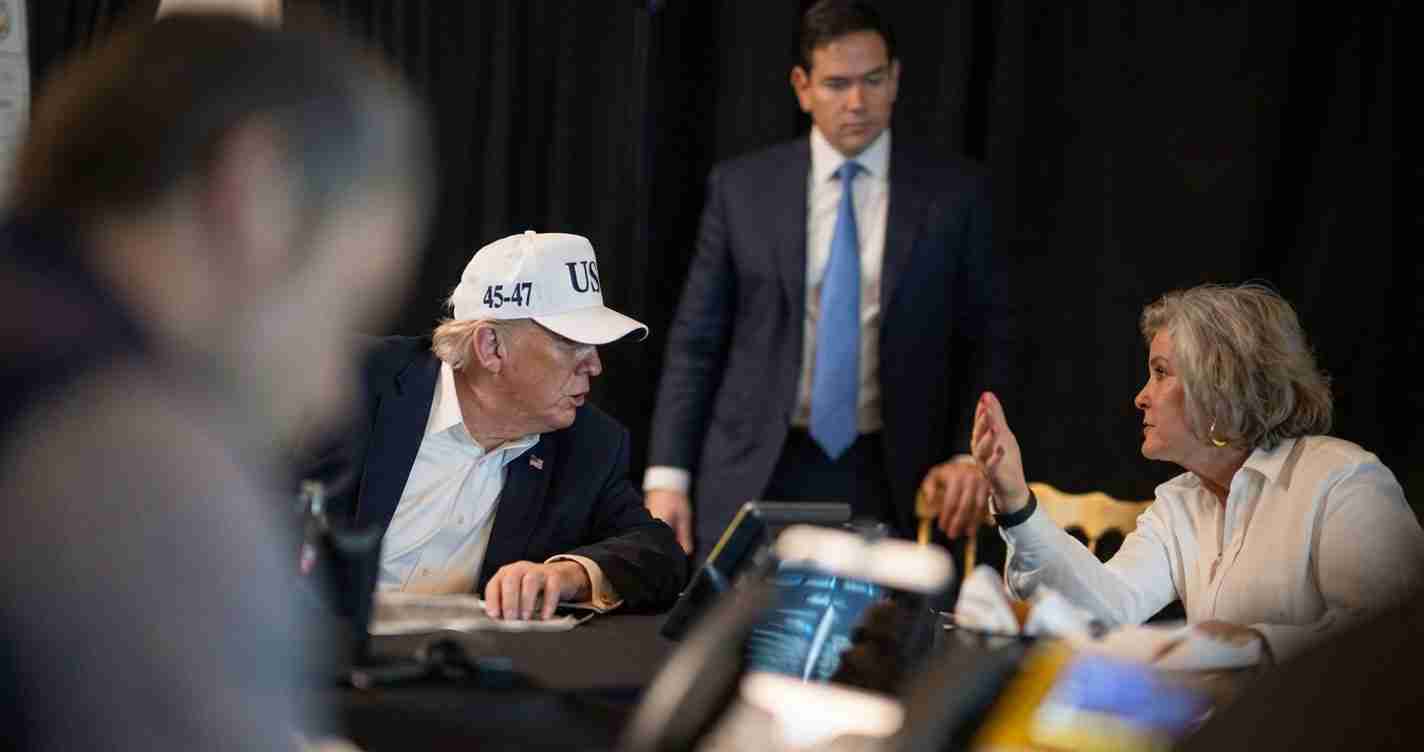
A viral White House photo showing Chief of Staff Susie Wiles wearing a wrist device prompted security alarm, but Whoop CEO Will Ahmed said it’s a Whoop fitness tracker without microphone or GPS, easing immediate fears about a breach.
Key takeaways
- Viral photo sparked concern: A White House image from a national-security briefing showed Susie Wiles with a dark wrist band and prompted speculation it was a smartwatch.
- Whoop CEO pushed back: Will Ahmed identified the band as a Whoop tracker, saying it “has no microphone and no GPS” and noting the visible green recovery score.
- NSA approval cited: Ahmed said the device is approved by the National Security Agency, a point used to allay fears about audio or location data transmission.
- Operational questions remain: Observers asked how the device was cleared for the secure meeting and whether policy reviews will follow.
The photograph, the reaction, and the response
The image released by the White House shows President Trump and top aides at a briefing table monitoring the aftermath of a high-stakes operation. In the photo, Chief of Staff Susie Wiles appears to have a dark band on her wrist; many viewers, seeing what could be a screen, assumed it was a smartwatch such as an Apple Watch and raised immediate cybersecurity worries, according to reporting by Fox Business and The Chosun Ilbo (English).
“It’s called a whoop,” Whoop CEO Will Ahmed wrote on X, pointing out the green recovery score visible on the band and urging that there was “no story here other than a dead ayatollah and a green recovery.”
What a Whoop device is and what it does
Whoop, founded in 2012 by Will Ahmed, sells subscription-based wearable bands that collect biometric data — heart rate, heart-rate variability, sleep, and strain — and translate those signals into scores such as a “recovery” metric. Unlike many smartwatches, Whoop bands are designed without onboard cameras or, on certain models, exposed screens, and they typically omit microphones, GPS and cellular radios. The company is valued at roughly $3.6 billion and maintains partnerships across sports and other sectors (reporting summarized by Fox Business).
Security policy context: why a band caused a stir
U.S. government and White House security rules limit personal electronic devices in sensitive spaces because devices capable of recording audio, capturing images, or transmitting location data can pose intelligence risks. Smartwatches with cellular or GPS features are often banned from secure rooms and briefings; that context explains why viewers immediately reacted when the image surfaced during a moment tied to a major operation.
Ahmed’s clarification and unanswered questions
Ahmed’s public statements — posted on X and quoted in coverage by Fox Business and The Chosun Ilbo (English) — emphasized that the band “has no microphone and no GPS,” lacks cellular capability, displays a recovery score, and — as he wrote — is “approved by the National Security Agency.” Those points defused much of the immediate alarm online.
Still, operational questions remain:
- Who approved the specific model? Who made the determination that the specific Whoop model worn by Wiles met NSA approval standards for the secure environment?
- Were device checks performed? Were standard device checks conducted before the meeting, and if so, how did media photos showing the device enter public circulation?
- Will policy be updated? Does the White House have updated device policies for staff amid rising tensions and sensitive operations like this one?
Operation Epic Fury context
The photo was taken during the aftermath of a major coordinated strike carried out by U.S. and Israeli forces on Feb. 28, 2026 — reported by multiple outlets as Operation Epic Fury (also described elsewhere as Operation Grand Wrath) — an action that resulted in the death of Iran’s Supreme Leader Ayatollah Ali Khamenei and senior Iranian officials. The stakes of that mission help explain why any perceived lapse in secure-room protocol drew immediate attention and online scrutiny (coverage cited by Fox Business and The Chosun Ilbo (English)).
Why the local angle matters: implications for Redding, California
Economic impact
Local firms in and around Redding that offer IT security, device inspection tools, or cybersecurity consulting may see increased demand if federal agencies seek tighter controls or vendors for device screening. Increased federal attention can lead to contracting opportunities for certified local companies.
Political consequences
Redding’s conservative-leaning community, which often emphasizes strong national defense and strict protocol, may press for transparency about how secure environments are protected and who enforces device rules.
Social effects
The viral photo and ensuing debate illustrate how fast local communities react to national security news. In Redding, conversations may focus on trust in leadership, operational discipline, and demand for cybersecurity literacy among residents and small businesses.
Cultural relevance
The episode aligns with local values of accountability and preparedness; veterans, first responders, and civic groups may follow any policy responses closely.
Practical applications for residents
- Be aware of device capabilities and app permissions — devices without GPS, microphones or cellular radios pose fewer risks in sensitive contexts.
- Local agencies and businesses should review device-use policies for meetings handling private data and consider simple measures: signage, device checks, and staff training.
Sources and further reading
- Fox Business: “It’s called ‘whoop’: CEO pushes back on security violation claims after viral photo”
- The Chosun Ilbo (English): Report on viral photo and Ahmed’s comments
Bottom line: The Whoop clarification eased immediate fears about a White House security breach, but the episode underscores ongoing tensions between personal wearable technology and secure-government operations — and it may prompt local and institutional steps to tighten device policies.