Schwarzenegger Joins Fight Over US House Control, Urges Californians to Vote No on Proposition 50
Former California Governor Arnold Schwarzenegger has publicly urged voters to reject Proposition 50, arguing the one-time congressional redraw amounts to partisan gerrymandering and would undo independent redistricting reforms he once championed and threaten California’s nonpartisan guardrails.
Key takeaways
- Schwarzenegger opposes Prop 50: the former governor says it would undo independent redistricting reforms and amount to partisan mapmaking; source: Times Union and his video remarks.
- Supporters frame it as defensive: Gov. Newsom says a one-time redraw counters recent redistricting elsewhere; see Newsom’s messaging.
- Debate splits Democrats: some view it as “fighting fire with fire,” while reform advocates warn it risks partisan control and legal confusion.
- Local stakes for places like Redding: changes could affect federal funding priorities, representation and local political dynamics.
What Prop 50 would do
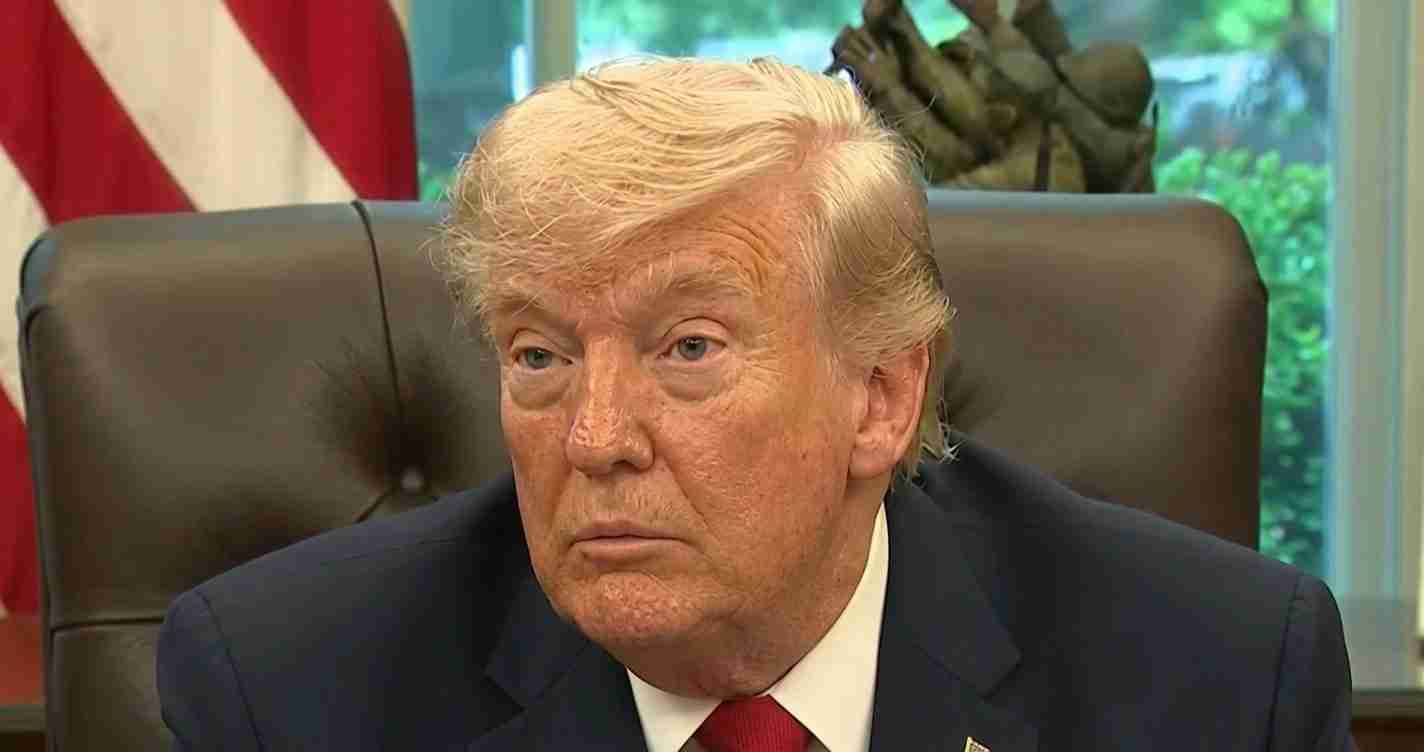
Proposition 50 would authorize a one-time redraw of California’s U.S. House district lines before the 2026 election. Supporters, led by Gov. Gavin Newsom, argue the change is a limited response to aggressive redistricting in other states and necessary to protect California’s federal representation (Newsom’s messaging).
Opponents counter that a one-off redraw undermines years of reform to create an independent, nonpartisan redistricting process. Critics warn it opens the door to partisan mapmaking and could set a precedent for future political manipulation (Schwarzenegger’s remarks and coverage).
Schwarzenegger’s intervention and why it matters
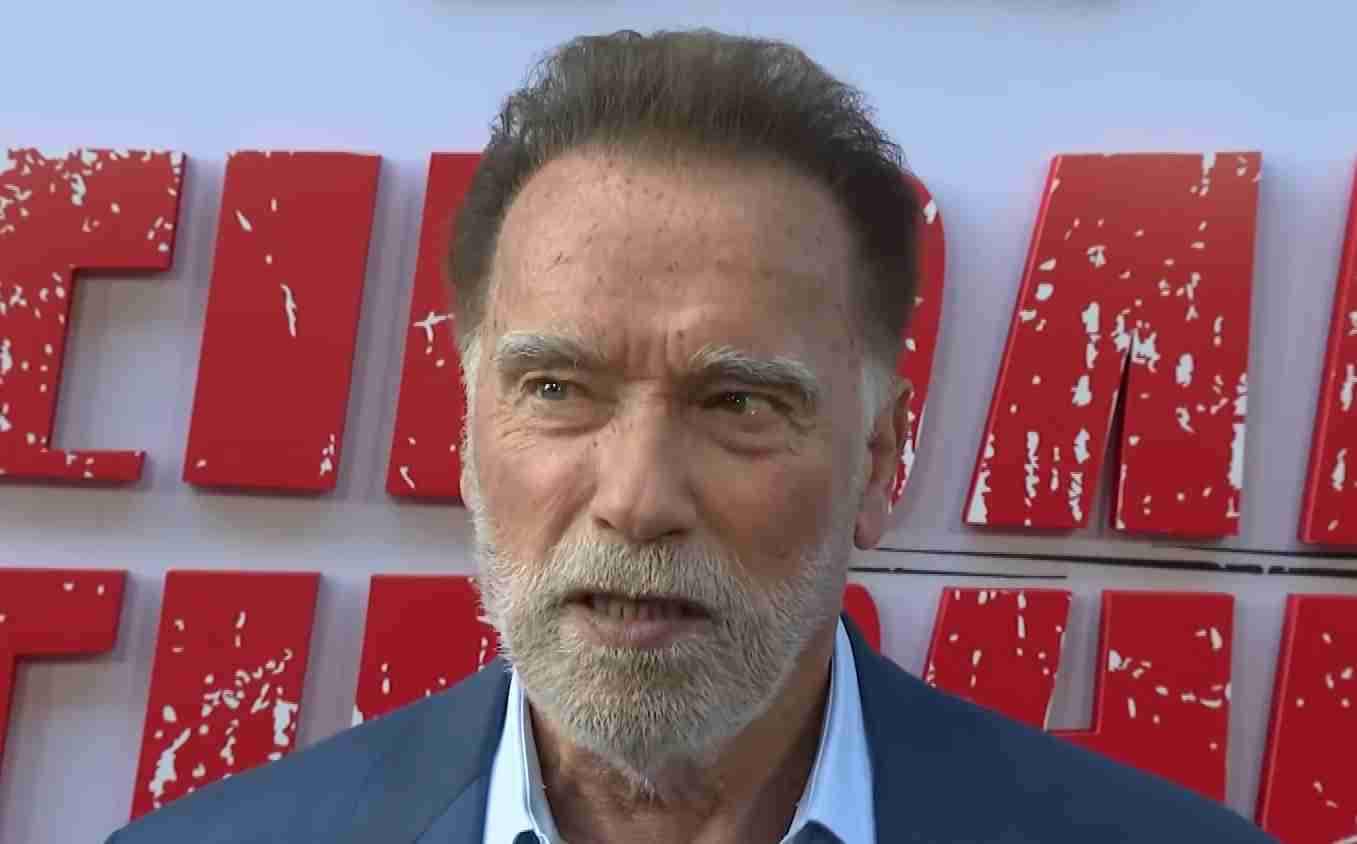
Arnold Schwarzenegger — a Republican who served two terms as California governor and who championed independent redistricting reforms during his tenure — has taken a public stance against Prop 50. In video remarks he said,
“Two wrongs don’t make a right,”
urging voters to protect reforms that limit partisan influence over district lines (watch).
His voice carries weight with voters who value nonpartisan or bipartisan mapmaking, and his opposition highlights a rare split within California politics — even among Democrats — about whether to prioritize short-term electoral advantage or the integrity of independent commissions.
Newsom’s argument: fighting back or overreach?
Gov. Gavin Newsom and supporters present Prop 50 as a defensive move to respond to recent redistricting elsewhere — notably in Texas — that they say added Republican House seats. Supporters describe the proposal as a way to protect California’s voice in Congress and limit a national conservative shift (Newsom’s messaging).
Supporters frame it as a narrowly tailored, temporary fix; critics call it an overreach that could weaken the credibility of nonpartisan commissions and invite future partisan interventions (critics’ statements).
Where investigation finds friction
The fight over Prop 50 has produced tensions even inside the Democratic coalition. Some Democrats worry the move will damage the long-term credibility of independent redistricting, while opponents point to practical problems: rushed timelines, likely legal challenges and voter confusion ahead of 2026 (coverage).
Money and outside donors are shaping the contest. Billionaire Charles Munger Jr. has funded advertising opposing Prop 50, providing the No campaign with a high-profile financial backer and boosting statewide messaging against the measure (source).
How this ties into the national battle for the House
The Prop 50 dispute is linked to the larger national contest for control of the U.S. House of Representatives. Redistricting in several states after the 2020 and 2022 cycles changed seat math, and supporters of Prop 50 frame California’s proposed move as a defensive play to preserve seats and influence in Washington (Times Union).
Media coverage and public attention
Local and regional outlets, including television and digital outlets, have covered Schwarzenegger’s entry and the Prop 50 debate. Coverage has emphasized both the political theater and the policy implications behind opposing campaigns (Newsom messaging; Schwarzenegger remarks).
For many voters, the flurry of ads and counterstatements obscures the practical effects of Prop 50 — precisely the concern Schwarzenegger raises when he warns it would undo carefully built nonpartisan guardrails (video).
Implications for Redding, California
Economic impact
Federal representation influences funding priorities. If congressional maps shift and California’s delegation changes, Redding and Shasta County could see differences in attention to wildfire mitigation, forest management grants, disaster relief and rural infrastructure projects — depending on which party or representatives gain influence (analysis).
Political consequences
Redding lives in a region that leans conservative. A map drawn to advantage one party could redraw local boundaries and alter who represents Northern California in Congress, affecting constituent services, policy priorities and local influence. Schwarzenegger’s emphasis on nonpartisan reform may resonate with local Republican and independent voters (source).
Social effects
Expect more political ads, mailers and canvassing in Redding. Civic life could feel more polarized during the campaign, increasing voter engagement but also local tensions as national and state stakes are debated door-to-door (coverage).
Cultural relevance
Redding voters value local control and clear rules. Arguments that Prop 50 would upend independent processes may align with local skepticism of centralized partisan power. Schwarzenegger’s message about protecting reforms could echo those values (remarks).
Practical applications for local voters
- Expect increased outreach: phone calls, texts, ads and community events focused on Prop 50 (video).
- Check official voter guides and local news to see how proposed map changes might affect your district; some voters could find themselves in a different congressional district by 2026 (report).
- Follow funding sources: note outside donors such as Charles Munger Jr., who has funded No on Prop 50 advertising (coverage).