
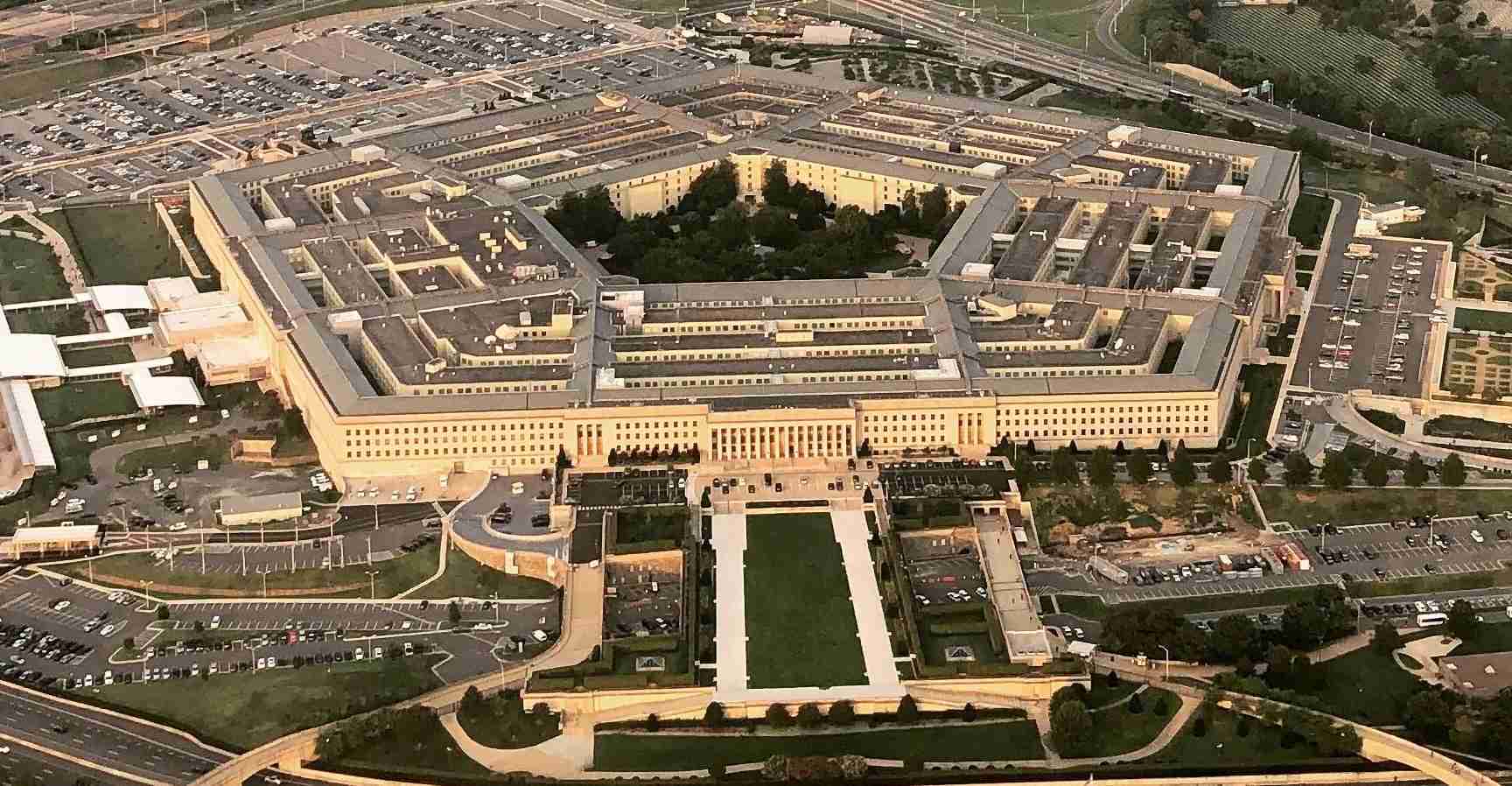
Pentagon accepts $130 million donation to pay troops amid shutdown, raising legal and transparency alarms
The Pentagon accepted a $130 million anonymous donation on Oct. 23, 2025 to cover active-duty pay during a federal shutdown, prompting legal and transparency concerns even as President Trump praised the unnamed benefactor as a “patriot.”
- One-time private gift: The Defense Department accepted a $130 million check on Oct. 23, 2025 to help cover pay and benefits (see Military.com; Economic Times).
- Authority used: Pentagon says it relied on its general gift acceptance authority and declined to identify the donor (Military.com).
- Legal risks: Experts and Democrats warn private funding for payroll may clash with federal appropriations rules and raise influence or security concerns (Economic Times).
Donation details and Pentagon response
The Pentagon confirmed it will use the $130 million to pay salaries and benefits for active-duty service members affected by the funding lapse. Pentagon spokesman Sean Parnell said the department accepted the funds and expressed gratitude while declining to identify the giver or specify distribution timelines (Military.com).
Officials said the department used existing authority that allows the Defense Department to accept gifts. That “general gift acceptance authority” normally covers donated equipment or services, not core payroll; Pentagon officials framed the move as a stopgap while Congress works on a funding bill (Military.com).
President Trump’s role and reaction
President Trump said the donor contacted him directly and described the giver as “a friend of mine” and “a patriot” who wished to remain anonymous. He framed the gift as a patriotic act that ensured troops would be paid on time, and many service members greeted the news with relief amid payroll anxiety (Military.com; Economic Times; AOL).
“A friend of mine… a patriot,”
— President Trump, on the anonymous donor
Legal and ethical questions
Legal experts and lawmakers warned immediate concerns about whether private money can lawfully be used to pay federal employees. Federal statutes generally require government spending to be authorized by Congress; the Anti-Deficiency Act and related rules bar spending funds not appropriated by Congress and prohibit accepting funds to skirt those requirements (Economic Times).
Senate Democrats raised transparency and national security concerns. Senator Chris Coons warned that an unknown donor raises questions about who is effectively funding U.S. troops and what influence or access may accompany that funding (Economic Times).
Some legal scholars note the gift authority exists but was not designed for recurring obligations like payroll, creating a precarious precedent: wealthy donors could theoretically choose which functions continue during political standoffs.
Who might be behind the donation?
The donor’s identity was not released, prompting speculation across social media and news outlets. Names circulated include Elon Musk and Jared Isaacman — both wealthy figures with prior support for military causes or conservative politics — but there is no confirmation (Economic Times).
Some commentators joked that Mr. Trump himself might be the donor, though the president described the giver as “a friend.” The Pentagon declined to elaborate on any conditions attached to the gift (Military.com).
Practical impact on troops and limits of the gift
While $130 million is substantial, Pentagon officials cautioned it covers only a portion of the funds needed to keep all service members paid during a prolonged shutdown. The department has already transferred billions from research and development accounts to cover payroll; the anonymous gift is a short-term fix that could be exhausted quickly (Military.com).
More than 1.3 million active-duty personnel feel effects of the shutdown, and many wonder whether paychecks will arrive on time if the stalemate continues (Economic Times).
For troops and families, the immediate question is practical: will the money cover upcoming payroll and bills? Pentagon officials say they are working to allocate the funds but gave few details about timing or distribution (Military.com).
What Congress faces
The donation does not resolve constitutional appropriations authority: only Congress controls funding. Lawmakers must still pass appropriations to avoid reliance on stopgap measures, internal transfers, or private gifts that can erode oversight and readiness. The episode may increase pressure on both parties to reach a deal while creating complications for future oversight if private funding becomes a recurring option.
Implications for Redding, California
Economic impact: Many Redding families rely on military pay — active-duty members, reservists, veterans working in defense-related jobs. Local businesses that serve service members can feel immediate strain when payroll is uncertain. A temporary infusion like the Pentagon’s $130 million gift may ease cash-flow problems for some families but cannot replace the certainty of a funded federal budget (Military.com; Economic Times).
Political consequences: Redding’s conservative voters may split: some will praise the anonymous donor’s patriotism, while others will worry about anonymous private money filling gaps left by Congressional inaction and press local representatives for transparency and permanent funding (Economic Times).
Social effects and practical advice: Redding has a sizable community of veterans and military families; news that troops will be paid may reduce immediate stress. Yet unanswered questions about the donor’s identity could create unease. Local veterans’ groups, family support centers, and finance offices should stay engaged to provide budgeting assistance and up-to-date guidance. Businesses serving military families are advised to plan short-term cash-flow support and connect customers to assistance programs while the shutdown continues (Military.com; Economic Times).
Reporting note
The Pentagon confirmed acceptance of the gift and provided limited on-the-record comment. The donor has not been publicly identified. This story is developing and will be updated as more information becomes available (Military.com; Economic Times; AOL).



