
Pajaro Valley Board Vice President Objects to “homeless,” Insists on “unhoused,” and Questions How Black Student Data Is Reported
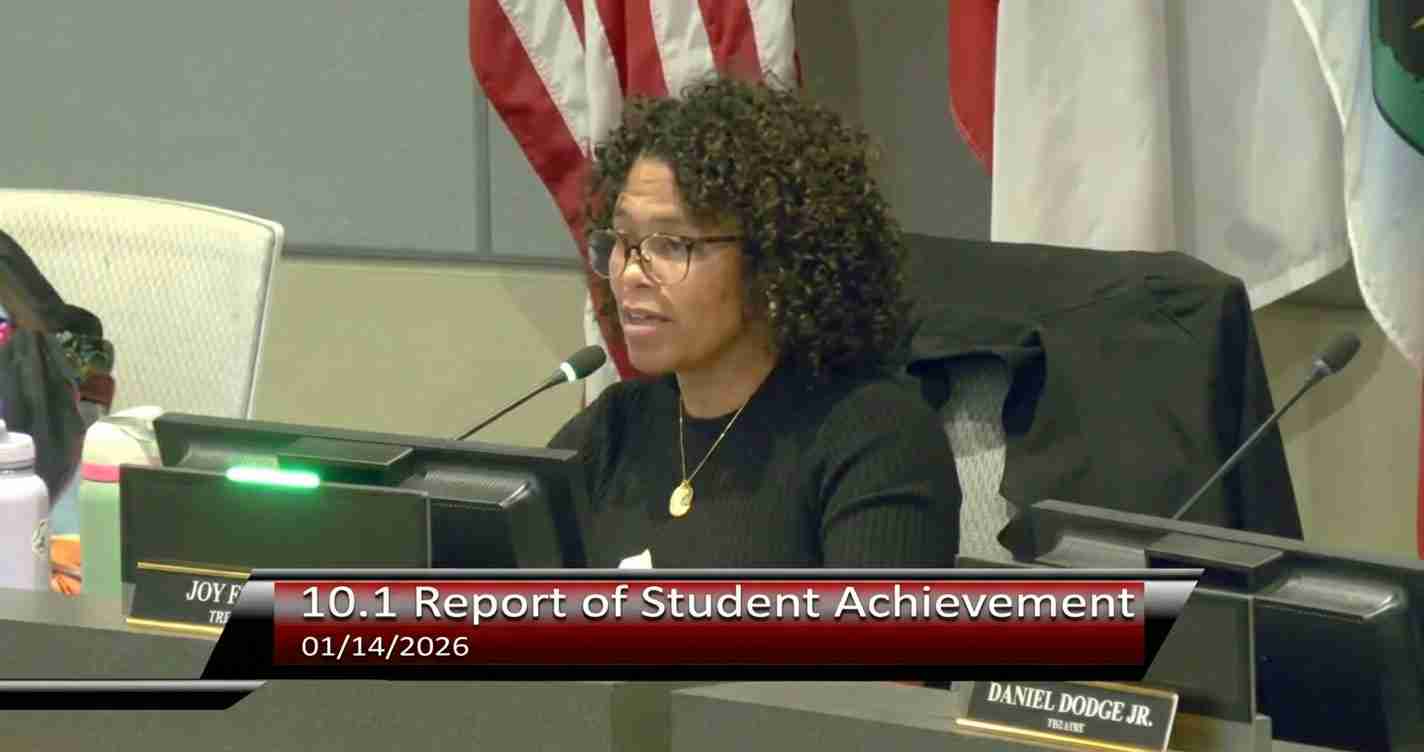
At a Jan. 14 Pajaro Valley Unified School District meeting, Vice President Joy Flynn objected to staff using ‘homeless,’ insisting on ‘unhoused,’ and questioned how the district reports Black student data, arguing every student is statistically significant.
Key takeaways
- Language dispute: Flynn said she was “personally offended” and requested the label unhoused instead of homeless.
- Data reporting: Flynn challenged staff assertions that small Black student counts made some measures statistically unreliable, saying even one student matters.
- State vs. local labels: Staff noted the California School Dashboard uses the term homeless; Flynn replied state language does not bind local wording choices.
- Coverage: The exchange was reported and videoed by Fox News and an accompanying Fox News video.
Main content
What happened at the Jan. 14 meeting
At a regularly scheduled meeting on Jan. 14, district staff presented a Report on Student Achievement that drew from the California School Dashboard, which reports graduation rates, chronic absenteeism, suspensions and subgroup performance. The dashboard uses categories including foster youth, students with disabilities and homeless students.
When a staff member used the term “homeless” during the presentation, Vice President Joy Flynn spoke after public comment to register her objection. In video and reporting she said,
“I have a lot to say and I will speak plainly. And you may not like it. I am personally offended by what was presented. On so many different levels.”
Flynn asked that the district change the label “homeless” to “unhoused”, calling the latter “a respectful term to speak about our community.” (Source: Fox News).
Another board member defended staff, noting that homeless is the term the state uses for reporting. Flynn replied the state’s terminology “doesn’t mean that’s the language we have to use,” and continued her remarks. (Source: Fox News).
The dispute over language
This exchange reflects a wider debate about public terminology. Proponents of person-first terms argue that words like unhoused reduce stigma and show respect. Critics warn that changing standardized labels used by state and federal systems can cause confusion and complicate comparisons, funding and interventions.
The North American Values Institute was cited in coverage warning that altering reporting language to reduce stigma might be “dangerous,” potentially redirecting resources away from students in need. (Source: Fox News.)
Why data labels matter
Standardized labels are more than semantics: they enable consistent measurement, funding allocation and cross-district comparisons. If districts adopt varied terminology or definitions, alignment with state systems could be affected. Administrators rely on state categories so local metrics feed into higher-level planning and resource decisions.
Flynn’s proposal raises practical questions: can boards use alternative language in local communications while keeping state-mandated terms in formal reports? If labels differ across materials, how will parents, funders and policymakers interpret the data? These operational questions will require clear footnotes or explanatory language if implemented.
The debate over Black student reporting
The presentation noted district demographics—more than 85% Hispanic, about 13% White and fewer than 1% Black—and flagged Black students as “very high” in suspension rates. Staff said small sample sizes made measures like graduation or college-career indicators statistically unreliable.
Flynn pushed back:
“I’m personally offended by that. If we have one Black student, that student is statistically significant enough to be on the report.”
She argued the data point matters and that the district has work to do. (Source: Fox News.)
Analysts note statistical rules often exclude very small groups to avoid misleading percentages; yet Flynn’s stance raises a political and moral question about visibility and individualized accountability versus statistical reliability.
Responses and coverage
As of the latest reporting, Pajaro Valley Unified School District officials and Vice President Flynn did not respond to requests for comment. Coverage of the exchange appears limited to the Fox News report and an accompanying Fox News video highlighting the exchange.
Implications for Redding, California
- Economic impact: Local wording changes could affect reporting alignment and potentially complicate state grant or targeted aid eligibility for districts in the region.
- Political consequences: The exchange may energize school board debates in conservative communities over governance, local control and language in public reporting.
- Social effects: Nonprofits and families serving unhoused students may worry about outreach and services if labels change; others may welcome language that reduces stigma.
- Practical applications: Boards can consider using person-first language in local outreach while keeping state-mandated terminology in formal reports, with clear footnotes explaining differences to avoid confusion.
Sources and further reading
Reporting compiled from Times Media Service review of public meeting coverage and the following items:


