
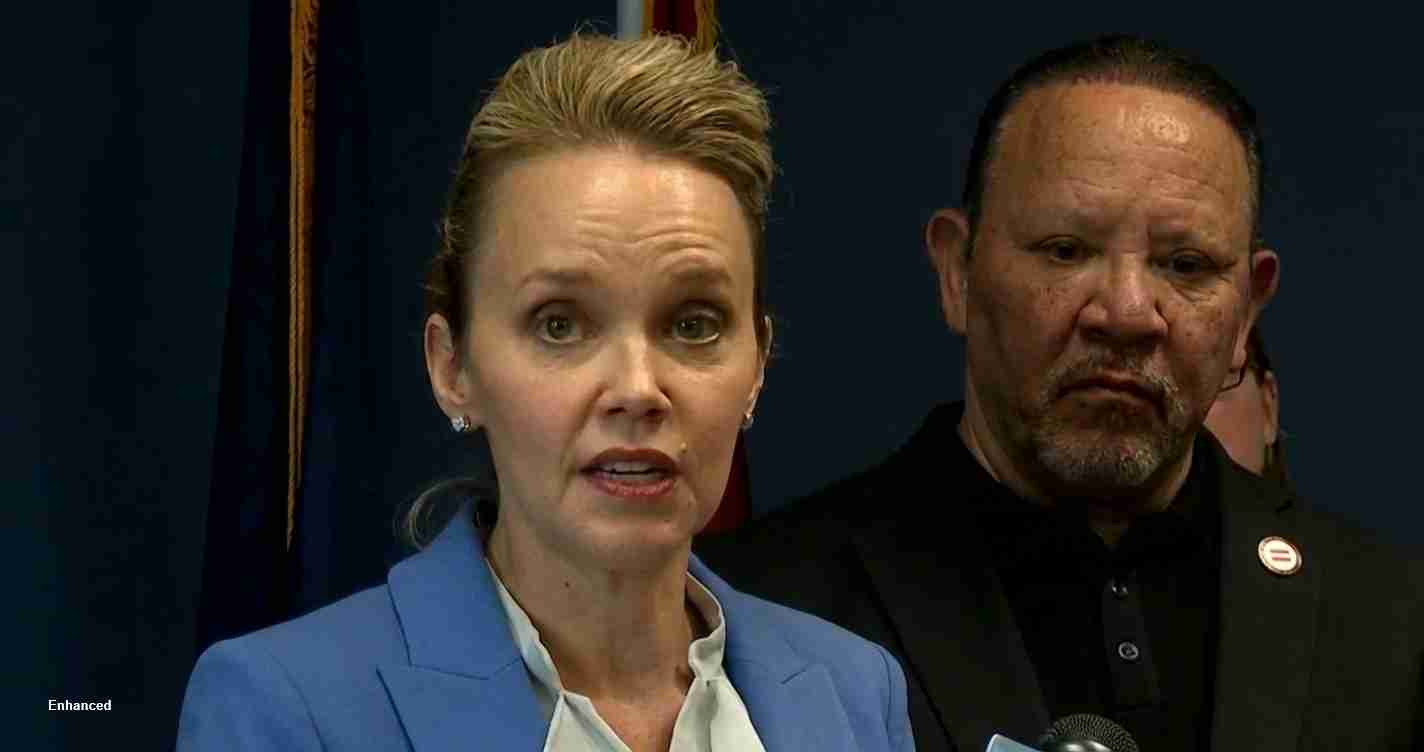
New Orleans Leaders, Mayor‑elect Helena Moreno Blast “Operation Katahula Crunch” Immigration Crackdown
A large-scale federal immigration operation called Operation Katahula Crunch is underway in New Orleans, prompting Mayor-elect Helena Moreno and local leaders to demand transparency and safeguards amid reports of sweeping arrests, alleged mistreatment and economic disruptions.
- Operation name: Operation Katahula Crunch (local reporting).
- Reported target: up to 5,000 arrests in the New Orleans region (sources: local reporting; WABE).
- Federal manpower on the ground: roughly 250 agents (local TV reporting).
- Local demands: Mayor‑elect Helena Moreno and others seek briefings and written assurances that citizens and lawfully authorized individuals will not be improperly detained (WABE; AILA).
What officials say and what’s happening on the ground
Federal officials describe the New Orleans operation as focused on undocumented immigrants accused of serious crimes or with significant criminal histories. Local leaders and immigrant‑rights groups, however, report sweeps that are capturing people who do not fit that description.
Mayor‑elect Helena Moreno has demanded clearer information about targets and arrest procedures. She said she has received “direct reports that U.S. citizens and individuals with valid work authorization have been detained ‘without cause’ and treated inhumanely,” calling the accounts “deeply disturbing.” (Sources: WABE; AILA.)
Local media and witnesses describe early‑morning workplace raids, detentions of day laborers at job sites, stops in store parking lots, and workers pulled from roofs and construction sites. Community hotlines and legal aid groups report being flooded with calls from families seeking help locating relatives. (local reporting; WABE.)
Scale, goals and official framing
Department of Homeland Security officials and the administration frame the operation as aimed at the “worst of the worst,” tying enforcement to public‑safety goals and criticisms of sanctuary policies. The New Orleans action is part of a broader national enforcement push with parallel activity elsewhere. (local reporting; AILA.)
Local experts question the feasibility of a 5,000‑arrest target if enforcement truly focuses only on people with serious convictions. They argue such a target suggests broader sweeps that could include many with minor or no criminal records. (WABE.)
Reports of alleged mistreatment and confusion
Advocates and witnesses report detainees held for hours with limited information, rough handling during arrests, and transfers to distant facilities without notice to family or counsel. Some people were reportedly released only after showing proof of citizenship or valid immigration status.
Advocates call for: clear rules of engagement, proof‑checking protocols, and safeguards to prevent the detention of citizens and lawfully authorized residents.
Calls for transparency and verification procedures have intensified as community legal teams document alleged incidents. (WABE; AILA.)
Actions taken by New Orleans and state leaders
Mayor‑elect Moreno has requested regular briefings from DHS, a public description of the criteria used to identify targets, and written assurances that citizens, DACA recipients, TPS holders and people with valid work visas or green cards will not be improperly detained. She has urged federal officials to pause or scale back sweeps until safeguards are in place. (WABE; AILA.)
By contrast, Louisiana’s governor has welcomed the operation as a public‑safety measure and announced expectations that National Guard members will arrive in Louisiana, including New Orleans, before Christmas—an escalation that advocates warn could further militarize the environment for immigrant communities. (local reporting.)
Community response: legal help and employer worries
Local legal‑aid groups and immigrant‑rights organizations have mobilized rapid‑response teams, “know your rights” sessions and hotlines. Businesses in construction, hospitality and services warn of labor shortages and project delays as workers stay home or are taken into custody.
City council members and part of the state legislative delegation have expressed concern about erosion of trust between immigrant communities and law enforcement, and about chilling effects on crime reporting if people fear contact with authorities. (WABE; AILA.)
National parallels and local limits
The New Orleans operation mirrors enforcement pushes elsewhere, including reported actions in the Minneapolis–St. Paul area. Some cities have sought to limit federal activity on city‑owned property, while acknowledging they cannot prevent federal agents from operating on federal land or in public spaces.
New Orleans leaders say their options are limited; they emphasize public pressure, demands for transparency, and increased legal support as the primary tools to protect residents and businesses. (local reporting; AILA.)
Unresolved questions
- How many people have been detained so far in the New Orleans area?
- What share of detainees have prior serious convictions versus minor or no records?
- What instructions has DHS given agents about collateral arrests and verification of citizenship?
- Will federal officials adjust the operation in response to local political pressure?
Local leaders and advocates say answers to these questions are necessary to restore public trust. (WABE; AILA.)
Reporting and sources
This account is drawn from reporting by local New Orleans media, public statements from local officials, and daily immigration reporting summaries. Primary sources include local TV reporting identifying the operation and agent numbers (YouTube), coverage and analysis by WABE, and daily immigration news clips by the American Immigration Lawyers Association (AILA).
Implications for Redding, California
Public safety and rule of law: Conservative readers in Redding will want clear answers about how federal operations balance public safety with citizens’ rights. The New Orleans debate about collateral arrests and verification procedures is relevant anywhere federal agents operate. (WABE; AILA.)
Local law enforcement cooperation: Redding officials should note federal agencies can operate independently of city police when acting on federal warrants or authority. Clear cooperation agreements and policies that protect victims and witnesses are crucial.
Economic impact and labor markets: Businesses reliant on immigrant labor—construction, hospitality, agriculture—could face disruptions similar to those reported in New Orleans; employers should prepare contingency plans and verify worker documentation carefully. (WABE.)
Civic oversight and transparency: Moreno’s push for briefings, public criteria and written assurances offers a playbook for city leaders who want to protect residents’ rights while cooperating with federal partners. (WABE; AILA.)
Community preparedness: Legal aid groups, faith organizations and business associations in Redding should prepare rapid response materials, “know your rights” information and hotlines to limit harm if enforcement intensifies in California. (WABE; AILA.)
Next steps for reporting
Further reporting should document whether DHS provides the briefings and written assurances requested by Mayor‑elect Moreno and whether on‑the‑ground practices change in response to local pressure and legal scrutiny. Continued tracking of detainee counts, conviction histories and agent instructions is essential.


