
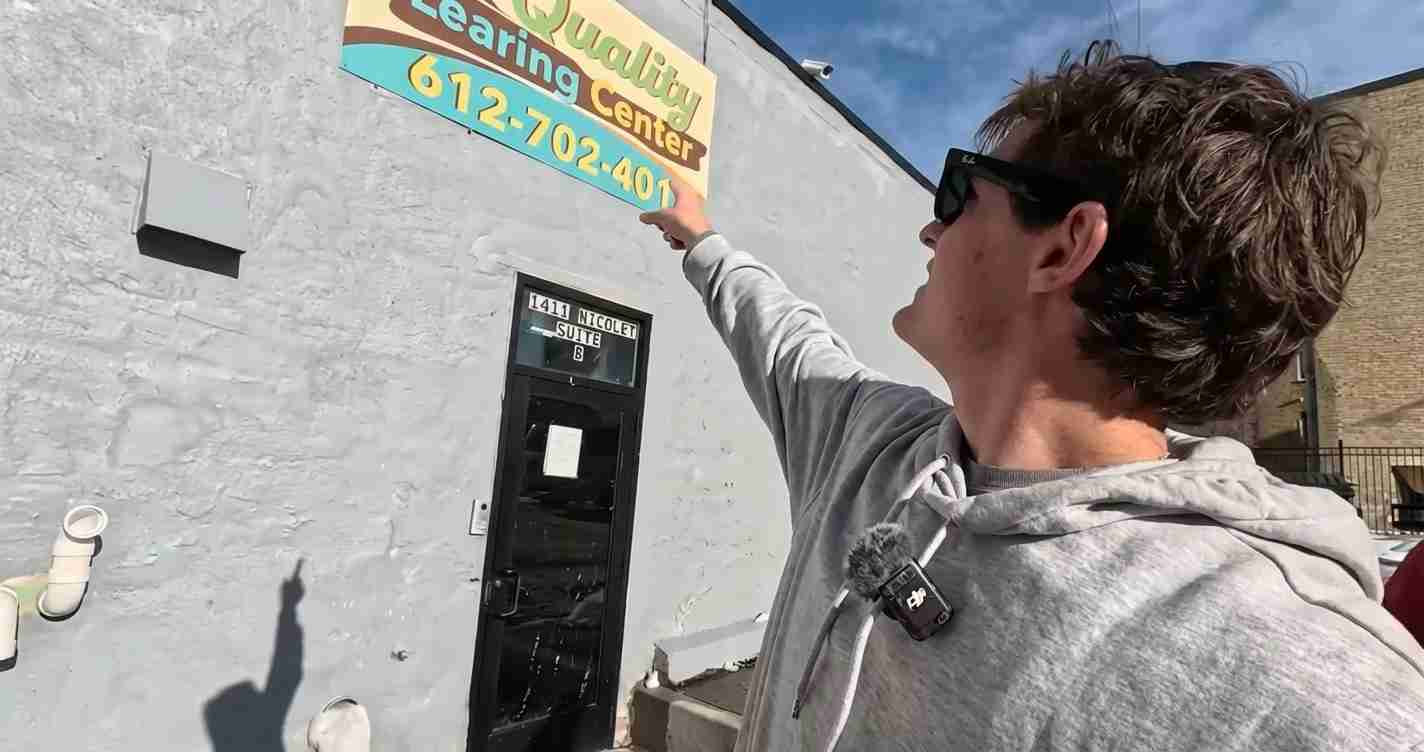
Viral video fuels Minnesota daycare fraud debate as Quality Learning Center draws scrutiny; Tim Walz on defensive
A viral 42-minute video by independent journalist Nick Shirley has sparked controversy over alleged Minnesota daycare fraud, focusing on the Quality Learning Center in South Minneapolis; records show the licensed center received roughly $4 million despite appearing inactive.
Key takeaways
- Independent exposé: Nick Shirley’s 42-minute visit documented multiple licensed childcare sites that appeared closed or inactive.
- Questioned funding: The Quality Learning Center, licensed for 99 children, reportedly received about $4 million while showing no signs of daily operations.
- Federal probes: Investigations into pandemic-era programs such as Feeding Our Future have identified roughly $250 million in fraud and dozens of convictions.
- Disputed totals: Unverified social-media claims of $9 billion stolen in Minnesota are not supported by public records; documented losses center on hundreds of millions to low billions.
Shirley’s video and the Quality Learning Center
Independent journalist Nick Shirley released a 42-minute video visiting multiple childcare sites, including the Quality Learning Center in south Minneapolis. Shirley documented a building with a misspelled sign reading “Quality Learing Center,” no visible children or open office hours on a weekday, and little to no activity — yet public records list the facility as licensed for up to 99 children and show substantial state funding.
Reporting that has cited Shirley’s findings includes coverage by Fox News and KOMO/Times Media Service, each referencing the video evidence and state records.
Federal probe and Feeding Our Future
Federal authorities have been investigating pandemic-era emergency aid programs. The Feeding Our Future case — tied to child nutrition assistance — is reported to have resulted in roughly $250 million in fraud and about 57 convictions, and FBI officials have described it as an entry point for broader tracing of how funds moved through community groups and businesses.
“This case has opened leads into broader patterns of money flows that federal teams continue to trace,” officials briefed by investigators told reporters.
Disputed figures and what’s verified
Since the video circulated, commentators have suggested far larger losses in Minnesota social programs — figures as high as $18 billion awarded since 2018 with $9 billion stolen have been repeated on social media. Independent searches of public records and reporting do not substantiate those totals. The clearest, documented losses remain the Feeding Our Future case (~$250 million) and other reported schemes that together suggest suspected losses in the hundreds of millions to low billions, not the $9 billion figure widely cited online.
Reporters and investigators caution against treating large, unverified numbers as fact until audits and federal tracing confirm totals.
Walz response and reforms underway
Governor Tim Walz’s office has pushed back on sweeping allegations and highlighted steps taken to strengthen oversight: third‑party audits of high‑risk programs, investigations into specific facilities (including a facility that later closed), hiring a statewide program integrity director, shutting down the Housing Stabilization Services program, and supporting criminal prosecutions where evidence exists.
The administration emphasizes support for law enforcement work and says officials require verified evidence before making public allegations. See the reporting compiled by Fox News and local coverage by KOMO/Times Media Service.
Political reactions and voices calling for accountability
The video drew national attention and political responses across the spectrum. High-profile conservative voices amplified the findings — including public comments from Vice President JD Vance and Rep. Tom Emmer — while other leaders urged measured investigation. Some community advocates warned against singling out Somali families or immigrant communities; reporting notes that Somali people are the largest immigrant group in Minnesota and that some individuals tied to cases have been of Somali background.
Accountability proponents call for tougher audits and prosecutions; community leaders call for careful, non‑stigmatizing coverage and protections for legitimate service providers.
Whistleblowers, audits and ongoing tracing of funds
State employees previously flagged problems in programs that later drew criminal probes. Federal agents and Justice Department teams continue to trace money flows tied to pandemic relief, social services, and small-business loans, seeking to recover stolen funds where possible. FBI leadership described the investigations as ongoing and potentially expansive.
Implications for Redding, California
Economic impact: Taxpayer protections matter across state lines. Redding residents and local agencies that accept federal or state grants may face stricter oversight, more paperwork, and higher compliance costs if federal auditors widen scrutiny.
Political consequences: For conservative audiences in Redding, the controversy reinforces calls for tighter fiscal controls, audits, and vetting of grant recipients and may be used in local political messaging.
Social effects and cultural relevance: Coverage that highlights alleged wrongdoing tied to immigrant-run organizations can inflame community tensions. Redding leaders should balance transparency and accountability with protections for immigrant families and legitimate service providers.
Practical applications: Local governments and nonprofits in Redding should review grant compliance: ensure accurate attendance and service records, routine program audits, staff fraud‑prevention training, and clear whistleblower channels.


