Mikie Sherrill Wins New Jersey Governor’s Race in Landslide, Carries Morris County; Delivers Victory Speech in East Brunswick
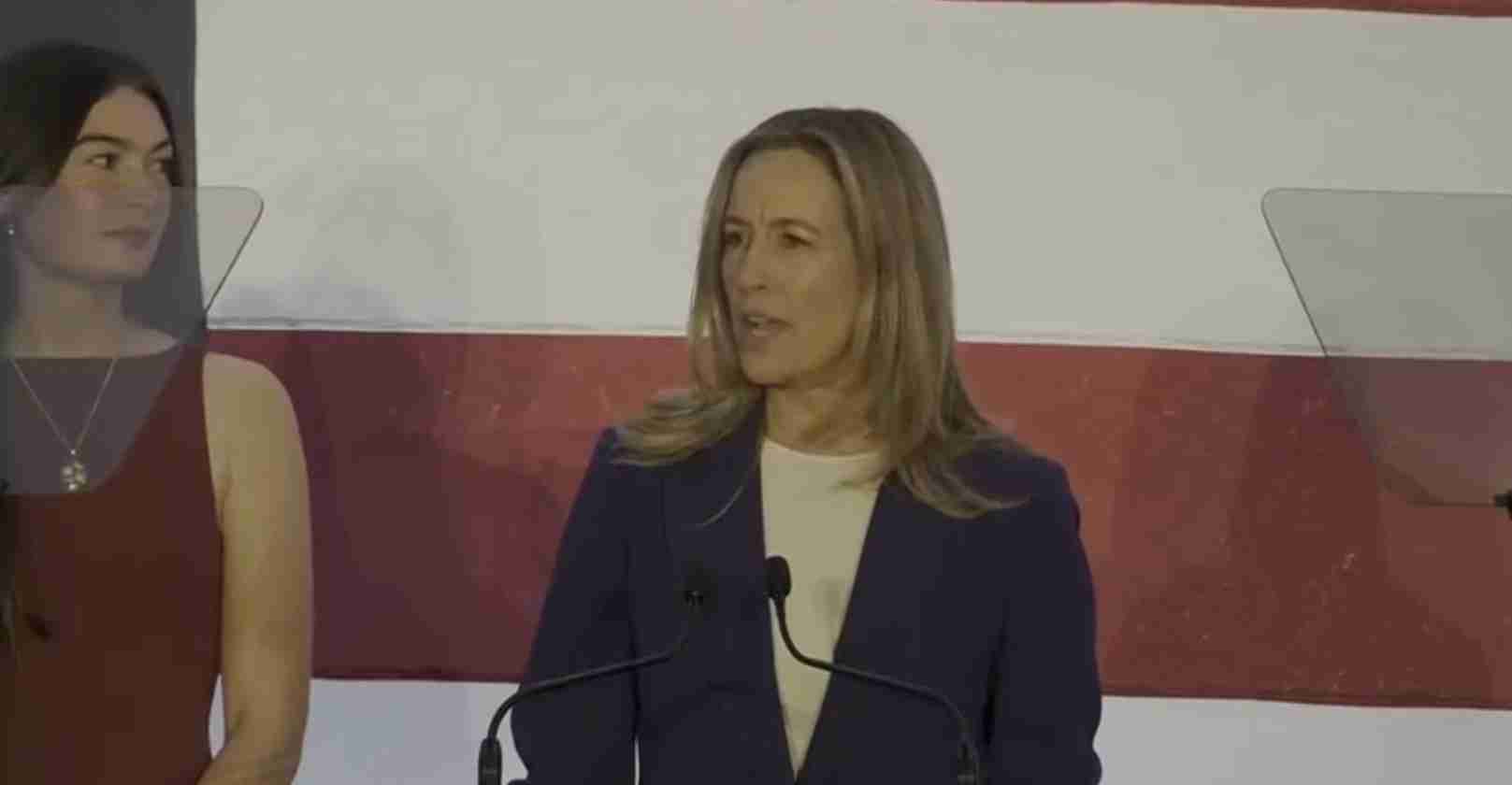
Mikie Sherrill (D) has decisively won New Jersey’s 2025 governor’s race, defeating Jack Ciattarelli in a landslide on Nov. 4, 2025, and delivering her victory speech in East Brunswick after carrying Morris County for Democrats statewide.
Key takeaways
- Mikie Sherrill (Democratic) won with 61% of the vote; source: Times Media Service on YouTube and the Wikipedia entry on the 2025 New Jersey gubernatorial election.
- Jack Ciattarelli (Republican) finished with 38% of the vote; overview: Wikipedia.
- Vote margin: Sherrill led by roughly 207,000 votes at the time of declaration; source: Times Media Service video.
- Historic shift: Sherrill is projected to be the first Democratic gubernatorial candidate to carry Morris County since 1973; details: Wikipedia overview.
Main content
Election night: remarks from East Brunswick
On election night, Rep. Mikie Sherrill took the stage in East Brunswick to thank volunteers, campaign staff and her family. In campaign footage posted by Times Media Service, she emphasized gratitude to New Jersey voters and described the result as a major win for Democrats in the state.
She thanked volunteers, campaign staff and her family and credited grassroots outreach and volunteer work for success across diverse suburban counties. — Times Media Service on YouTube
The campaign video and speech are posted by Times Media Service on YouTube, which provided on-the-ground reporting and the declaration footage referenced throughout reporting.
Election results and what the numbers show
Statewide tallies gave Sherrill 61% to Ciattarelli’s 38%, a decisive margin in a state closely watched by national strategists. The roughly 207,000-vote lead reported on election night underscored the scale of the Democratic advantage in 2025. Officials declared Sherrill the winner on Nov. 4, 2025.
The results reflect strong Democratic performance in suburban and some historically Republican counties; analysts will examine turnout and demographic shifts to determine whether this represents a lasting realignment. Official tallies and context are summarized in the Wikipedia entry.
How Sherrill reached the top of the ticket
Sherrill secured the Democratic nomination in a competitive primary that included Newark Mayor Ras Baraka and Jersey City Mayor Steven Fulop. She won the primary with roughly 34% in a multi-candidate field, buoyed by name recognition and fundraising.
- Primary snapshot:
- Mikie Sherrill — 286,244 votes (34.02%)
- Ras Baraka — 173,951 (20.67%)
- Steven Fulop — 134,573 (15.99%)
- Josh Gottheimer — 97,384 (11.57%)
- Sean Spiller — 89,472 (10.63%)
- Stephen Sweeney — 59,811 (7.11%)
- Total primary votes: 841,435.
Primary totals and attribution are compiled in the Wikipedia overview.
Campaign dynamics: the general election matchup
Jack Ciattarelli, the Republican nominee, ran a rematch after his 2021 bid. The contest focused on suburban voters’ views on taxes, housing and public safety. Sherrill emphasized suburban outreach, women’s safety and economic messaging that appealed to moderates; Ciattarelli highlighted fiscal restraint and local control.
Despite those themes, Ciattarelli could not overcome Sherrill’s margin in key suburban areas, where turnout and messaging produced a decisive Democratic advantage.
County-level shifts and historical context
A notable outcome was Sherrill’s projected win in Morris County, a longtime Republican stronghold. If certified, this would be the first time a Democratic gubernatorial candidate carried Morris County since 1973, signaling a possible suburban realignment in New Jersey. Analysts will study turnout, demographic shifts and issue salience to assess whether this is structural or situational. See the Wikipedia entry for historical context.
Policy questions and priorities to watch
Sherrill’s victory raises immediate policy questions that will matter to taxpayers and businesses. Key areas to watch:
- Budget and taxes: As a Democratic governor succeeding term-limited Phil Murphy, Sherrill will face choices on state spending, tax policy and pension costs.
- Regulation and business: Balancing environmental goals with business needs will be central to her agenda.
- Public safety and courts: Plans on policing, courts and criminal-justice policy will be scrutinized by suburban voters.
- Education and housing: State decisions on school funding and housing policy could affect local control and property-tax pressures.
Lieutenant governor pick: Dale Caldwell, president of Centenary University, is Sherrill’s running mate and may influence workforce and higher-education initiatives. (Source: Wikipedia.)
Implications for Redding, California
While New Jersey’s governor has no direct fiscal authority in California, national political trends from a large Democratic suburban win can have downstream effects in places like Redding in several ways:
Economic impact
Direct fiscal effects in Redding are minimal. However, national groups may reallocate fundraising and strategic resources after this result, which could change where national Democratic groups invest in competitive races that touch Northern California.
Political consequences
Suburban gains and the Morris County flip could prompt Republican strategists to reassess messaging, turnout tactics and emphasis on fiscal restraint, public safety and local control — lessons applicable to conservative organizers in Redding.
Social effects
Shifts among suburban voters can influence local activism and media narratives. Local conservative coalitions in Redding might intensify grassroots outreach, school-board efforts and community safety messaging in response.
Cultural relevance
Sherrill’s win in Morris County underscores evolving suburban voter identity. For conservative readers in Redding, the result highlights the continued importance of local values, property rights and practical governance in communicating with swing suburban constituencies.
Practical applications for voters and officials in Redding
- Campaign strategy: Study turnout models and suburban messaging; emphasize pocketbook issues and public safety.
- Policy monitoring: Track New Jersey proposals on regulation, housing and education as possible models or contrasts.
- Civic engagement: Apply sustained volunteer and targeted voter-contact lessons to local races and school-board campaigns.
Primary results snapshot
- Mikie Sherrill — 286,244 (34.02%)
- Ras Baraka — 173,951 (20.67%)
- Steven Fulop — 134,573 (15.99%)
- Josh Gottheimer — 97,384 (11.57%)
- Sean Spiller — 89,472 (10.63%)
- Stephen Sweeney — 59,811 (7.11%)
- Total primary votes: 841,435.
Transition and next steps
Officials have scheduled the swearing-in for Jan. 20, 2026. Journalists and analysts will follow certification of results, the transition team’s policy agenda and early budget signals as the Sherrill administration prepares to take office (see Wikipedia and the campaign video: Times Media Service on YouTube).
Source material and verification
- Victory speech video and on-the-ground reporting: Times Media Service on YouTube.
- Election overview, results and historical context: Wikipedia entry on the 2025 New Jersey gubernatorial election.