
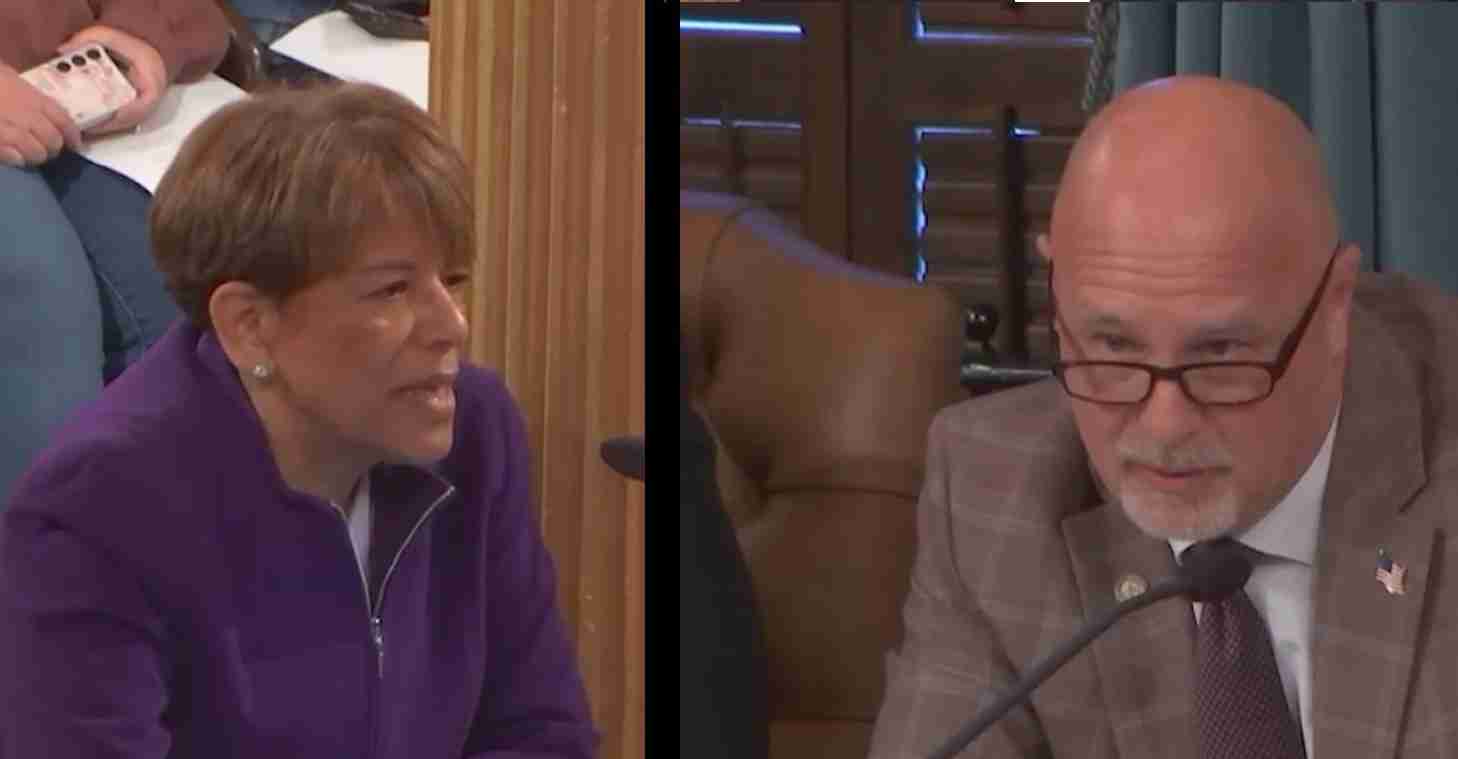
Michigan education gender question goes viral as top official deflects — Dr. Sue Carnell controversy ignites GOP backlash
A viral clip of Michigan Chief Deputy Superintendent Dr. Sue Carnell avoiding a direct answer to “how many genders exist” during an Oct. 28 legislative hearing sparked intense GOP backlash and renewed debate over the state’s updated health education standards.
Key takeaways
- Viral moment: Dr. Sue Carnell’s exchange went viral after she replied, “Different people have different beliefs on that.”
- Policy in focus: The controversy centers on Michigan’s newly approved health education standards recommending instruction on gender identity and sexual orientation.
- Political response: House Republicans launched a legislative inquiry and subpoenaed department records related to the standards.
- Local implications: The episode may influence curriculum debates and school board politics in communities such as Redding, California.
The viral incident
What happened: On Oct. 28, Republican state Rep. Jay DeBoyer asked Dr. Sue Carnell during a hearing, “How many genders exist?” Carnell did not provide a numeric answer, saying, “Different people have different beliefs on that.” A short clip of the exchange was posted on X by conservative influencer LibsofTikTok and rapidly drew millions of views.
“Different people have different beliefs on that.” — Dr. Sue Carnell
Conservative commentators seized on the clip. Heritage Foundation Vice President Roger Severino and writer Wesley Yang criticized Carnell’s response, while GOP state Sen. Aric Nesbitt connected the moment to broader concerns about education leadership and academic outcomes.
(Source: Fox News)
Context: Michigan’s new health education standards
The exchange occurred amid a contentious update to Michigan’s health education standards. The State Board of Education approved revised guidance by a 6-2 vote that recommends defining and teaching gender identity, gender expression and sexual orientation with suggested learning goals by grade level.
The board’s decision followed a large and emotional public comment period with more than 100 registered speakers, prompting reduced individual comment times and additional meeting rooms to handle turnout.
(Source: Bridge Michigan)
Public feedback: divided reaction
Public responses were deeply split. The Michigan Department of Education reported 1,338 surveys during the comment window: 924 opposed the proposed standards. Opponents cited concerns about discussing gender topics, parental opt-out procedures, and curriculum scope. Meanwhile, more than 2,000 emails were submitted to officials, with 1,141 supporting the updates as inclusive and necessary.
Supporters argued age-appropriate instruction helps students understand themselves and reduce stigma; opponents warned the guidance could overreach parental rights.
(Source: Bridge Michigan)
Opposition arguments: parental rights and curriculum scope
Critics, including state Rep. Luke Meerman and GOP gubernatorial candidate Tudor Dixon, argued the updated standards could subvert parental rights by including topics on gender identity in mandatory curriculum sections. Meerman warned the changes might embed such topics without adequate parental notice or opt-out clarity.
House Oversight Committee member Tom Greene raised concerns that embedding “social and emotional competencies” could integrate sexual health and identity content across subjects — possibly occurring without clear notice to parents.
(Sources: GOP House press release; Michigan Capitol Confidential)
State education department response and support
Michigan Department of Education officials defended the standards as guidance intended to provide research-based information, not to impose mandates. Carnell emphasized the guidelines are meant to help local districts define terms and set age-appropriate learning goals — for example, defining gender identity, gender expression and sexual orientation by the end of eighth grade — while local districts retain control over implementation.
The department noted parents retain the right to decide whether their children participate in sex education instruction. Local school boards and advisory bodies — required to include 50% parent representation under the guidance — determine health curricula. Officials also pointed to a 2023 amendment to Michigan’s Elliott-Larsen Civil Rights Act adding protections based on gender identity, which informed some updates.
(Sources: Fox News; Bridge Michigan)
Legislative investigation and subpoena
In reaction to public concern and the viral clip, House Republicans moved to investigate. Rep. Luke Meerman was granted a motion to subpoena the Michigan Department of Education for internal communications, meeting minutes and records of discussions with outside groups regarding the proposed updates.
The inquiry seeks to clarify who advised the department and how decisions on the standards were reached.
(Sources: Bridge Michigan; GOP House press release)
Implications for Redding, California
Economic impact: Local districts could face similar debates that consume staff time and local budgets for hearings, legal review, and parent outreach.
Political consequences: A short viral clip can reshape local debate, energizing conservative voters to press for clearer parental-notification policies, opt-outs, and influence in school board races.
Social effects: Redding parents may encounter polarized talking points; some will push for protective inclusive materials for LGBTQ students, while others will demand stricter limits and parental control.
Practical steps for residents: Attend school board meetings, review local health curricula, confirm advisory board composition, organize petitions or support inclusive efforts to influence local policy.
Sources and further reading
- Fox News: Top Michigan official sparks online firestorm when asked to name number of genders
- Bridge Michigan: Michigan adopts updated sex education standards after contentious meeting
- GOP House press release: Meerman motion to subpoena Michigan Department of Education granted
- Michigan Capitol Confidential: Michigan lawmakers, education officials clash over new sex-ed draft


