
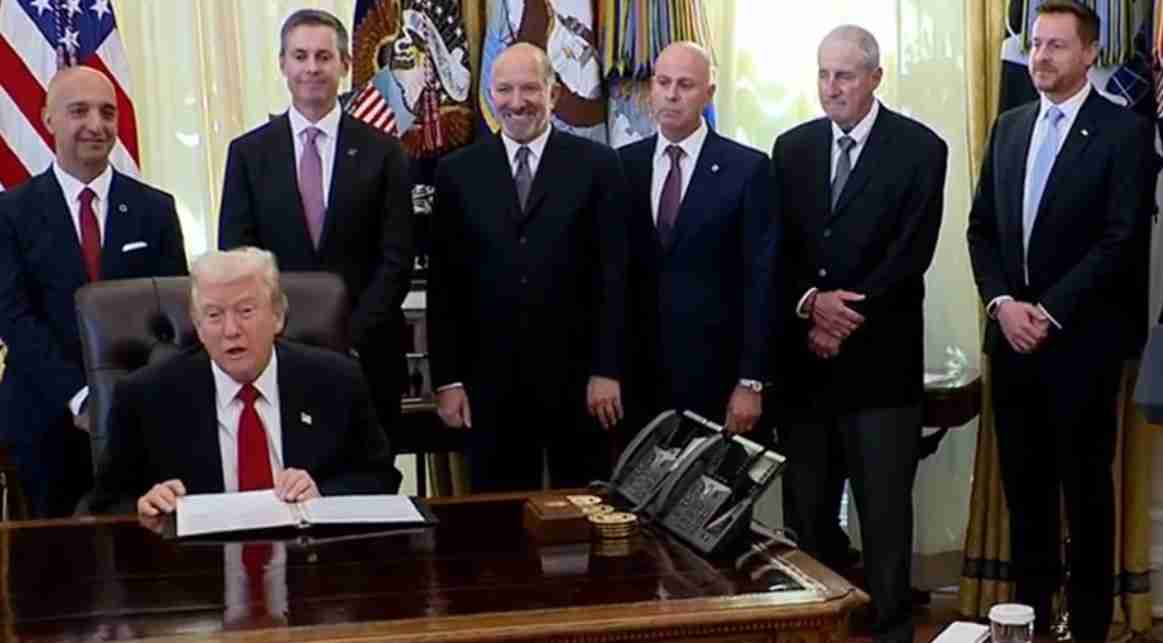
Trump, RFK Jr. and Dr. Oz unveil “MASSIVE” Medicare plan to cover weight loss drugs — with big questions about cost, access and oversight
President Donald Trump, joined by HHS Secretary Robert F. Kennedy Jr. and CMS Administrator Dr. Mehmet Oz, announced a Medicare initiative to cover prescription weight-loss drugs for beneficiaries, aiming to address rising obesity among older Americans.
Key takeaways
- Who announced it: President Trump with HHS Secretary Robert F. Kennedy Jr. and CMS Administrator Dr. Mehmet Oz — Fox News (https://www.foxnews.com/video/6384656012112)
- What it does: Aims to have Medicare pay for approved prescription weight-loss drugs for beneficiaries; full program details and timelines were not released — Fox News (https://www.foxnews.com/video/6384656012112)
- Why it matters: Could lower out-of-pocket costs and increase access for seniors, while raising questions about cost, eligibility and oversight — Fox News (https://www.foxnews.com/video/6384656012112)
Details of the announcement
The White House staged a high-profile announcement featuring the president alongside HHS Secretary Robert F. Kennedy Jr. and CMS Administrator Dr. Mehmet Oz. Officials described the action as a “massive Medicare deal” to expand coverage for prescription medications used to treat obesity.
The administration framed the move as a public-health priority to help older Americans manage obesity and related chronic diseases. Coverage appears focused on drugs that have received regulatory approval for weight loss, but the statement did not list which medicines, how coverage would be authorized, or when beneficiaries could expect access. For the initial coverage and remarks, see Fox News (https://www.foxnews.com/video/6384656012112).
Why the policy matters to seniors
Medicare beneficiaries — typically age 65 and older — face higher risks for conditions linked to excess weight, including type 2 diabetes, hypertension and heart disease. Expanding Medicare coverage could reduce out-of-pocket costs and increase use of therapies that clinicians say can lower weight and improve related health markers.
However, adding a potentially high-cost benefit raises fiscal questions. Medicare already faces long-term financial pressure; the announcement did not explain how the federal government plans to pay for coverage or whether price concessions or eligibility limits will be used. See coverage summary at Fox News (https://www.foxnews.com/video/6384656012112).
What remains unclear
The administration’s statement left several key questions unanswered:
- Which drugs will be covered? The announcement referenced “approved weight loss medications” but did not list specific brands or drug classes.
- Who will qualify? Will coverage be broad for beneficiaries with obesity, or limited to those with comorbidities like diabetes or heart disease?
- How will costs be controlled? Will Medicare negotiate prices, require prior authorization, or cap treatment duration?
- What is the timeline? No start date or phased rollout plan was provided.
Coverage of the announcement is available at Fox News (https://www.foxnews.com/video/6384656012112).
Policy stakes for taxpayers and patients
For conservative readers and taxpayers, the proposal represents a trade-off: expanded access and potential improved health outcomes versus protecting program solvency. Advocates say coverage could reduce long-term costs by preventing expensive complications; skeptics warn open-ended coverage for costly drugs without price controls could add to Medicare’s fiscal strain.
The involvement of high-profile figures — President Trump, RFK Jr., and Dr. Oz — signals administrative priority, and will invite political scrutiny over accountability, cost estimates, eligibility criteria and safeguards against misuse or fraud.
Obesity, healthcare and public-health goals
Medications that target appetite and weight regulation have shown effectiveness in trials and real-world use. Officials emphasized that expanding access is intended to address the growing burden of obesity-related diseases among older Americans.
Public-health experts caution that medication should be paired with lifestyle support, counseling and follow-up to maximize benefits. The announcement did not specify how Medicare would support coordinated care or monitoring to ensure safe, effective treatment.
Accountability, oversight and conservative priorities
From a conservative standpoint, expanding the benefit should include strict accountability. Key oversight questions include:
- Will CMS publish budgetary impact estimates before implementation?
- Will Medicare leverage negotiating power to reduce prices for beneficiaries and taxpayers?
- Will clinical criteria target those most likely to benefit?
- What measures will prevent inappropriate prescribing or diversion?
These safeguards could preserve program sustainability while ensuring beneficiaries receive needed care. The administration’s statement did not fully address these points; see initial coverage at Fox News (https://www.foxnews.com/video/6384656012112).
What to watch next
As the administration moves forward, stakeholders should watch for:
- Official rule-making or policy documents from HHS and CMS with implementation details.
- Cost estimates from CMS and the Congressional Budget Office.
- Guidance on clinical eligibility and prior-authorization requirements.
- Any negotiations or agreements with drug manufacturers on pricing or rebates.
Track official releases and analysis — initial coverage and video summarized these developments at Fox News (https://www.foxnews.com/video/6384656012112).
Implications for Redding, California
Economic impact: Federal coverage of weight-loss drugs could reduce pharmacy bills for many seniors in Redding, potentially freeing household funds and reducing long-term healthcare costs. However, if the program increases Medicare spending, federal deficits could grow with downstream local impacts.
Healthcare access: Local primary-care providers and clinics may see increased demand for counseling and medication management; rural practices will need guidance and potential support to handle added workload. Pharmacies should prepare for higher prescription volumes.
Political implications: The announcement brings a national issue to local voters. Conservative residents may welcome access but will likely seek transparency on costs and oversight. Local leaders can press for budget and eligibility specifics.
Public-health effects: Expanded access could improve health outcomes if paired with counseling and monitoring. Local health departments and clinics should request early guidance from HHS and CMS to prepare education and coordination efforts.
Practical considerations for Redding seniors
Beneficiaries should monitor CMS announcements for enrollment instructions, qualifying treatments and documentation requirements. Seniors are advised to consult clinicians before starting new medications and ask about side effects, monitoring needs and out-of-pocket costs.
Source attribution and next steps
The initial announcement and media coverage are documented in video and summaries at Fox News (https://www.foxnews.com/video/6384656012112). For full policy specifics — scope, cost and eligibility — review formal rulemaking and guidance from HHS and CMS when published.
Local readers in Redding should monitor official CMS releases and White House statements, request briefings from HHS regional offices, and prepare questions about eligibility, costs and provider support.
[End of article — reporting based on the administration’s announcement and available coverage. Further details will come from formal HHS and CMS publications and should be reviewed for full policy specifics.]



