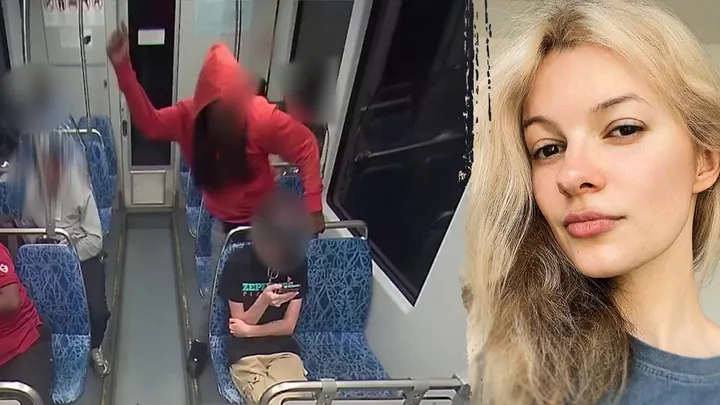
Leavitt Blasts Press for Ignoring Stabbing That ‘Doesn’t Fit’ Preferred Narrative
White House Press Secretary Karoline Leavitt accused major newsrooms of largely ignoring the August 22, 2025, fatal stabbing of 23‑year‑old Ukrainian refugee Iryna Zarutska on a Charlotte Lynx Blue Line train, saying it did not fit their “preferred narrative.”
Key takeaways
- Iryna Zarutska, 23, a Ukrainian refugee, was fatally stabbed on a Charlotte Lynx Blue Line train on Aug. 22, 2025 after a pizza shift.
- Karoline Leavitt criticized national outlets for limited coverage, contrasting it with heavy attention on other cases such as the Daniel Penny/Jordan Neely incident.
- Suspect DeCarlo Brown Jr., 34, has a criminal history that critics say highlights policy questions about repeat offenders and parole.
- Local response: Charlotte pledged increased transit security and redeployment of officers along the Blue Line.
Leavitt’s media criticism at the White House
At a White House briefing, Karoline Leavitt accused major newsrooms of selective coverage and said many outlets were “hesitant” or ignored the Zarutska case because it did not conform to their usual framing of crime stories. Leavitt contrasted national attention to this killing with the extensive coverage of the 2023 Daniel Penny/Jordan Neely subway incident and urged reporters to examine why some crimes receive far more national attention than others.
Sources: White House briefing video, Fox News report on Leavitt’s criticism.
“Many of the journalists in this room spilled plenty of ink trying to smear Daniel Penny for defending a subway car… but none of those same reporters lift a finger to write stories about an actual murderer,” Leavitt said, charging selective attention by major outlets.
Details of the attack and the suspect’s record
Surveillance footage and witness accounts show Zarutska seated near her attacker on the Lynx Blue Line before the assault. The assailant stood, stabbed her without apparent provocation and fled. Zarutska, who was still in her work uniform after a pizza shift, died from her wounds.
Authorities arrested DeCarlo (Decarlos) Brown Jr., 34, in connection with the killing. Reporting notes Brown’s prior convictions, including larceny, breaking-and-entering (2013) and a 2015 robbery with a dangerous weapon for which he served more than six years. He was released in 2020, remained on parole into 2021, and later faced charges for threats and misuse of 911. These elements have been emphasized by officials and some media as part of discussions on whether the crime could have been prevented.
Related coverage and video summaries: video report on suspect’s background, Fox News Charlotte mayor story.
Official and local responses after the killing
Charlotte city leaders and transit officials faced immediate pressure. Officials pledged to increase transit security, redeploy officers along the Blue Line and review safety protocols for riders. Police said they would examine video and evidence as they pursue charges.
Local leaders emphasized short-term steps such as increased patrols and cameras and said they would explore longer-term policy changes to protect riders. The city’s adjustments echo typical transit responses after high-profile incidents.
Source: Fox News Charlotte mayor story.
Criminal justice debate: Preventable tragedy or systemic failure?
Leavitt framed the Zarutska killing as a preventable tragedy tied to what she called “reckless” criminal justice policies—citing reforms such as cashless bail and sentencing changes that critics argue reduce accountability. Supporters of reform counter that many measures aim to reduce mass incarceration and correct inequities; the Zarutska case has become a flashpoint in that national debate.
The exchange reflects broader political tensions: conservatives press for tougher stances on repeat offenders and stricter parole enforcement, while reform advocates warn against policies that may unintentionally expand incarceration.
Reference: White House briefing video, Fox News report on Leavitt’s criticism.
Media coverage: Which stories get national attention?
Leavitt argued some crimes receive amplified coverage when they align with narratives about policing, race or protest, and that this pattern produces uneven public understanding and political pressure. Media analysts note editorial choices reflect many factors—available footage, eyewitness access, perceived public interest and newsroom resources. Local Charlotte outlets covered the Zarutska case; national attention varied.
The key question now centers on whether editorial judgment or political preference most influences what becomes a national story.
Related media: White House briefing video, Fox News report on Leavitt’s criticism, Fox News video segment.
Implications for Redding, California
Economic impact
- Rider confidence affects transit use; declines can reduce fare revenue and strain budgets.
- Local businesses near stops may lose foot traffic if riders shift to driving.
Political consequences
- The case may sharpen conservative calls in Redding for tougher criminal-justice policies, more law-enforcement funding and stricter parole enforcement.
- Local officials could face pressure to adopt or reject bail and parole reforms based on public-safety perceptions.
Social effects
- Victims’ families and immigrant communities may feel vulnerable, prompting neighborhood meetings and outreach.
- Community services and victim-support programs may be expanded in response.
Cultural relevance
- For conservative audiences, the case underscores concerns about media bias and selective national reporting.
- Faith and civic groups may increase support for vulnerable residents as a result.
Practical applications for local policymakers and residents
- Transit safety: review patrol patterns, lighting, cameras and emergency response plans; add visible staff and clearer reporting mechanisms.
- Criminal justice policy: examine arrest-to-release practices, parole tracking and coordination with state corrections.
- Community outreach: expand programs helping refugees connect to jobs, housing and social services to reduce vulnerability.
- Media literacy: encourage balanced coverage and advise residents to consult multiple sources.
Source links for further reading and verification
- White House briefing video
- Fox News report on Leavitt’s criticism
- Fox News Charlotte mayor story
- Fox News video segment
- Reporting on suspect’s background (video)
This report examines Karoline Leavitt’s criticism of national outlets over coverage of the Iryna Zarutska murder in Charlotte and the ensuing debate about Preventable Tragedy Criminal Justice policy. It raises questions for newsrooms, policymakers and communities nationwide, and suggests actions local leaders—such as those in Redding—can take to protect residents and bolster public trust in both the justice system and the press.