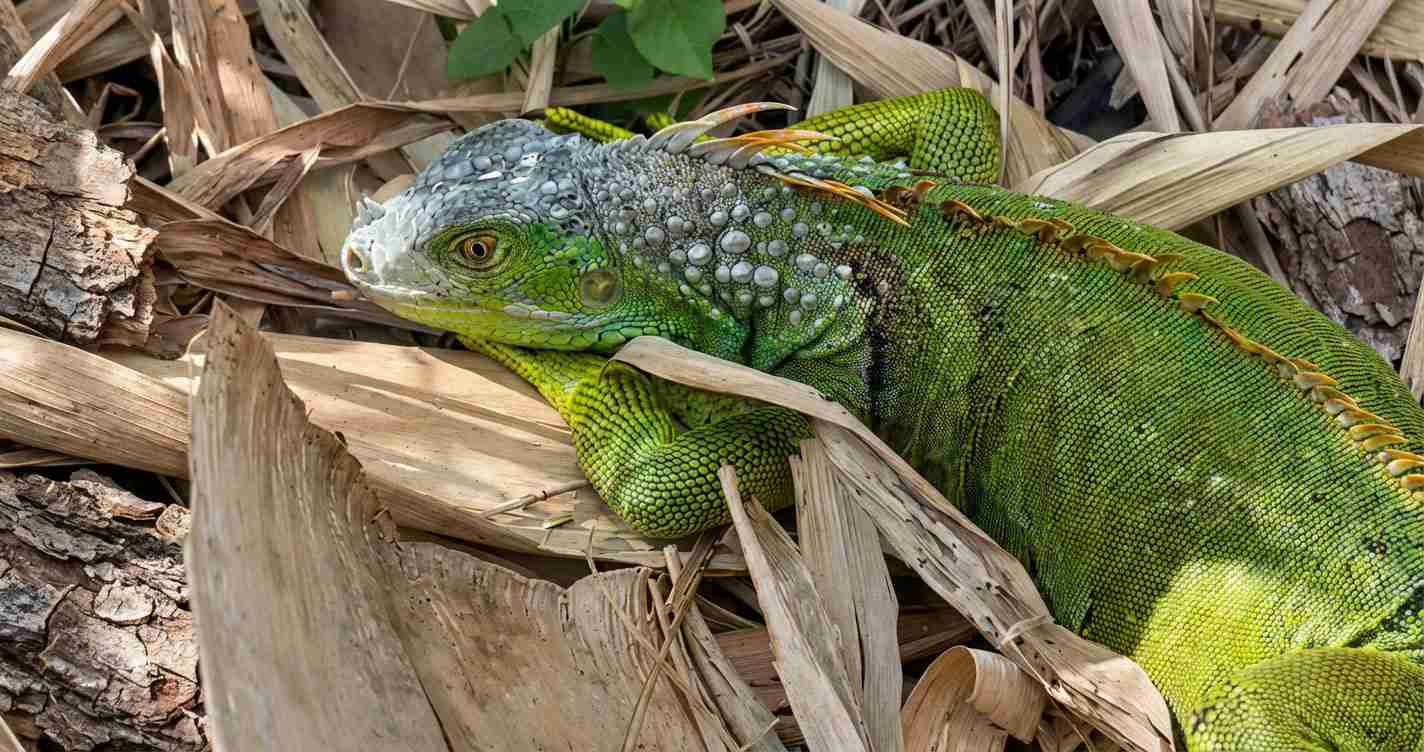
Florida removes more than 5,000 cold-stunned green iguanas in two days as residents join FWC effort
On Feb. 4, 2026, the Florida Fish and Wildlife Conservation Commission (FWC) said 5,195 cold‑stunned green iguanas were collected Feb. 1–2 at four drop‑off sites after record South Florida freezes, with residents and staff participating under a two‑day exemption.
Key takeaways
- Mass removal: 5,195 cold‑stunned green iguanas were collected Feb. 1–2 and brought to four FWC drop‑off sites (FWC release).
- Locations: Sunrise (3,882), Tequesta (1,075), Marathon (215) and Fort Myers (23) were the designated sites (FWC).
- Exemption expired: A two‑day executive order allowed permit‑free collection for cold‑stunned animals; the order has since expired and FWC no longer accepts live iguanas (FWC).
- Disposition: Animals were screened, transferred to permitted holders or made available for lawful out‑of‑state sale when possible; others were humanely euthanized by trained staff (Popular Science).
What happened and why it mattered
Record cold swept South Florida at the end of January and into early February, producing sudden low temperatures that left green iguanas cold‑stunned — entering torpor, falling from trees and becoming immobile. The FWC warned that cold‑stunned iguanas can recover quickly and may defend themselves with whipping tails, sharp teeth and claws; people were advised not to bring animals into homes for safety (FWC guidance; public safety video).
Green iguanas are a prohibited, nonnative species in Florida and can damage infrastructure by burrowing in canal banks, seawalls and other structures. The FWC notes Florida hosts more than 600 nonnative species, with 139 established; about 80% arrived via the live animal trade, making invasive control a top state priority (FWC nonnatives).
How the collection unfolded
FWC staff credited the rapid removal to coordination across multiple divisions, local offices, partner groups and many residents who collected iguanas on their properties and delivered them to drop‑off sites. At a Feb. 4 commission meeting in Tallahassee, Roger Young, FWC’s executive director, highlighted broad participation and the animals’ negative impacts on native wildlife and the economy.
“Roger Young, FWC’s executive director, highlighted the iguanas’ negative impacts on native wildlife and the economy.”
The action was enabled by Executive Order 26‑03, which temporarily waived permit requirements for live, cold‑stunned iguanas for two days; that narrow window let people legally collect and deliver animals to four locations. The executive order has expired and the FWC no longer accepts live iguanas — property owners are now directed to licensed professionals and online guidance (FWC Office of the Executive Director; FWC nonnatives page).
What was done with the iguanas
Collected iguanas were screened and, when possible, transferred to permitted holders for possession or lawful out‑of‑state sale. Animals that could not be transferred were humanely euthanized by trained FWC staff; the agency emphasized humane handling and legal compliance throughout the effort (FWC release; Popular Science).
Numbers and locations
- Sunrise (about 13 miles west of Fort Lauderdale): 3,882 iguanas (FWC).
- Tequesta (about 24 miles north of West Palm Beach): 1,075 iguanas (FWC).
- Marathon (Florida Keys): 215 iguanas (FWC).
- Fort Myers (Gulf Coast): 23 iguanas (FWC).
Investigative questions and concerns
The FWC called the two‑day effort a success, but the episode raises broader policy, cost and long‑term control questions:
- Effectiveness: Does a short emergency exemption reduce long‑term numbers or merely relocate the problem? Cold snaps can remove many animals at once, but established populations may rebound — long‑term impact depends on sustained invasive species work (FWC).
- Who pays? Coordinated removal uses staff time and disposal resources; taxpayers and property owners shoulder some costs. Clear cost‑sharing and accountable spending are political concerns for many residents (FWC).
- Legal & humane handling: Green iguanas are prohibited in Florida and may be controlled on private property; FWC arranged transfers and sales to permitted holders while also euthanizing untransferred animals, prompting calls for transparency on protocols (Popular Science).
- Safety & public guidance: The FWC warned against bringing cold‑stunned animals into homes because they can suddenly recover and fight back; public education is crucial when volunteers assist collection (FWC; safety video).
Why local participation mattered
The mass collection demonstrated how much local volunteers can achieve when regulations temporarily change. Residents and visitors who gathered animals on private land supplied key support to FWC staff and partners. For property owners, early action often begins at home — removing invasive mink, pigs, snakes or iguanas is frequently a local responsibility.
Legal backdrop and resources
Green iguanas are a prohibited nonnative species in Florida and may be controlled. The FWC posts guidance, executive orders and instructions online; property owners seeking removal help are directed to MyFWC.com/Nonnatives and licensed professionals listed by the agency (FWC About / Executive Director).
Implications for Redding, California
Economic impact: Though geographically distant, Redding can learn from Florida’s experience: invasive species can damage infrastructure and require growing public and private spending to manage.
Political consequences: Local leaders should clarify who pays, how volunteers are protected, and how temporary executive powers will address liability and cost‑sharing.
Social and cultural effects: Community engagement, public education and responsible pet ownership reduce invasion risk. Redding officials can adopt outreach, surrender options and professional partnerships modeled on FWC resources (FWC nonnatives).
Practical steps for Redding:
- Inventory invasive risks and update response plans.
- Prepare guidance on legal removal options and safe handling.
- Build partnerships with licensed wildlife operators to avoid uneven taxpayer burdens.
Sources and further reading
- Florida Fish and Wildlife Conservation Commission — “Green iguanas removed,” Feb. 4, 2026
- Fox News — “Over 5,000 cold‑stunned iguanas removed in two days after state’s record freeze”
- Popular Science — “Frozen iguanas euthanized in Florida” (coverage of humane euthanasia practices)
- FWC nonnative species guidance (MyFWC.com/Nonnatives)
- FWC About / Office of the Executive Director (executive order access)
- FWC public safety video on handling cold‑stunned iguanas
Reporting compiled from the FWC news release and related coverage.