
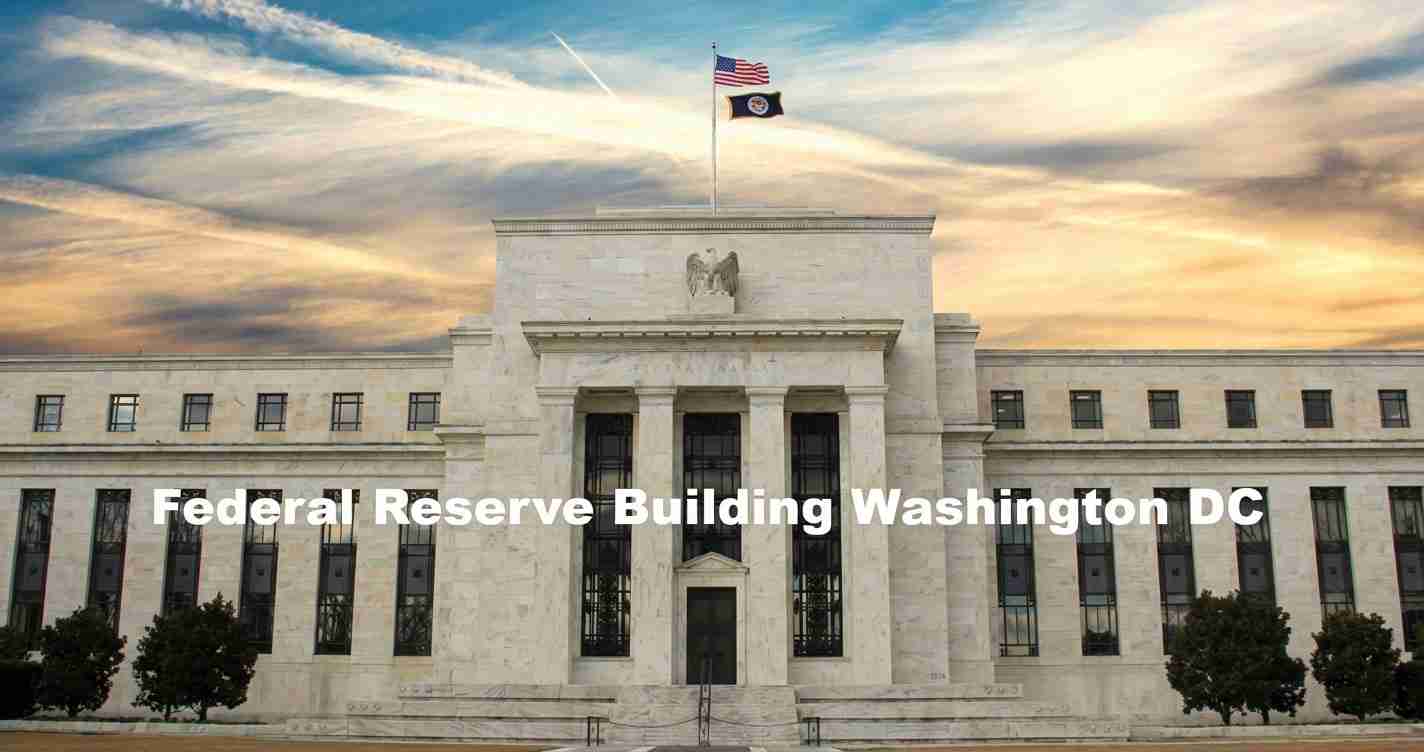
Fed Holds Steady: FOMC Keeps Federal Funds Rate at 3.5%–3.75% as Inflation and Labor Data Raise Questions
The Federal Reserve’s FOMC left the federal funds rate at 3.5%–3.75% on Jan. 28, 2026, pausing after three cuts amid slowing labor markets, inflation above 2%, and mounting domestically political pressures on the central bank.
Key takeaways
- Vote: The FOMC voted 10‑2 to hold the federal funds rate at 3.5%–3.75% — Federal Reserve press release.
- Split: Governors Stephen Miran and Christopher Waller dissented, preferring a 25‑bp cut as others cautioned inflation remains too high — reporting by LiveNowFox and Fox Business.
- Data-driven pause: Policymakers cited weaker job gains and PCE inflation near 2.9% year‑over‑year through December as reasons to wait.
Main content
Why the pause now
After aggressive hikes in prior years and three 25‑basis‑point cuts in September, October and December 2025, the Fed signaled a cautious turn. Officials described the economy as growing but noted that the labor market has cooled, with weaker job gains and a stable unemployment rate. At the same time, inflation measures—particularly the PCE price index at about 2.9% year‑over‑year through December—remain above the 2% goal, supporting the decision to pause (LiveNowFox).
“The current policy stance is appropriate to support maximum employment and 2% inflation; we will watch incoming data before acting again,” Fed Chair Jerome Powell said, framing the decision as data‑driven (Federal Reserve press release).
The vote and the split
The FOMC’s 10‑2 vote highlights divisions inside the Fed. Governors Stephen Miran and Christopher Waller dissented, advocating a 25‑bp cut to avoid higher rates weighing on hiring and growth. Other officials argued more evidence of disinflation is needed before further easing, continuing a split that surfaced in December.
Markets and economic forecasts
Markets largely expected a pause. The commentary noted the CME FedWatch probabilities pointing to high odds of no change in March, and economists described a “wait‑and‑see” stance. Firms such as Morgan Stanley signaled policymakers will likely withhold cuts until clearer disinflation appears, with potential easing later in 2026 if data improve (LiveNowFox).
Data driving policy: jobs, inflation, and tariffs
Policymakers focused on two key signals: a cooling labor market and persistent inflation. Job gains have slowed from earlier recovery levels and unemployment has stabilized — signs the labor market may be moving toward balance. Meanwhile, PCE inflation near 2.9% keeps pressure on officials, with goods‑sector pressures linked in part to tariffs.
The Fed emphasized it will assess incoming months of jobs and price data before making a new move. Upcoming meeting dates where policy may be reconsidered include March 17–18 and June 16–17, 2026 (LiveNowFox).
Political and institutional pressures on the Fed
The decision comes amid significant public and political scrutiny. The White House publicly urged faster, larger cuts to boost growth and hiring, and President Trump pressed the Fed to ease policy after inflation readings — coverage in Fox Business outlines the back‑and‑forth.
Separately, the Justice Department subpoenaed the Fed in connection with roughly $2.5 billion in headquarters renovations — a probe reported by LiveNowFox and Fox Business. Fed Chair Powell called the investigation “pretextual punishment” intended to influence rate decisions, comments that intensified debate over the Fed’s independence as his term approaches its May 2026 end.
Implications for Redding, California
Economic impact
A Fed hold keeps borrowing costs anchored for now. For Redding homeowners with adjustable‑rate mortgages, monthly payments are likely to stay elevated rather than fall immediately. Local builders, small manufacturers and retailers that rely on credit may delay investments or expansion while loan costs remain steady (Trading Economics).
Jobs and hiring
National slower job gains could translate to a milder local labor market in Redding. Employers might pull back on hiring or wage increases, potentially reducing short‑term opportunities for jobseekers and slowing wage pressure for local businesses (Fox Business).
Housing market and consumers
Steady rates may keep some buyers sidelined who hoped for quicker cuts; sellers may not see stronger demand until rates ease. Consumers can expect credit card and auto loan rates to remain relatively high for now, though the Fed’s cautious stance aims to reduce inflation over time, possibly improving purchasing power later in 2026 (LiveNowFox).
Political and local governance effects
Local budgets in Shasta County may face slower tax‑revenue growth if broader economic cooling occurs. City and county leaders should monitor revenue projections and consider contingency plans for infrastructure, schools and public safety spending should growth weaken.
Practical steps for residents and businesses
- Homeowners: Consult lenders about timing and refinancing options for adjustable rates.
- Small businesses: Model plans assuming steady borrowing costs and potentially slower demand.
- Jobseekers: Consider retraining or targeting industries less sensitive to rate cycles (health care, utilities).
- Local officials: Monitor tax revenue forecasts and federal policy developments closely.
Upcoming dates to watch
The Fed’s next meetings include March 17–18 and June 16–17, 2026, where officials will reassess policy depending on incoming inflation and employment data. Residents and local leaders should track national jobs reports, PCE readings and Fed statements for guidance on future moves (LiveNowFox).



