
FAA orders phased flight cuts as Senate advances shutdown fix; Republicans amplify Pete Buttigieg criticism amid nationwide travel chaos
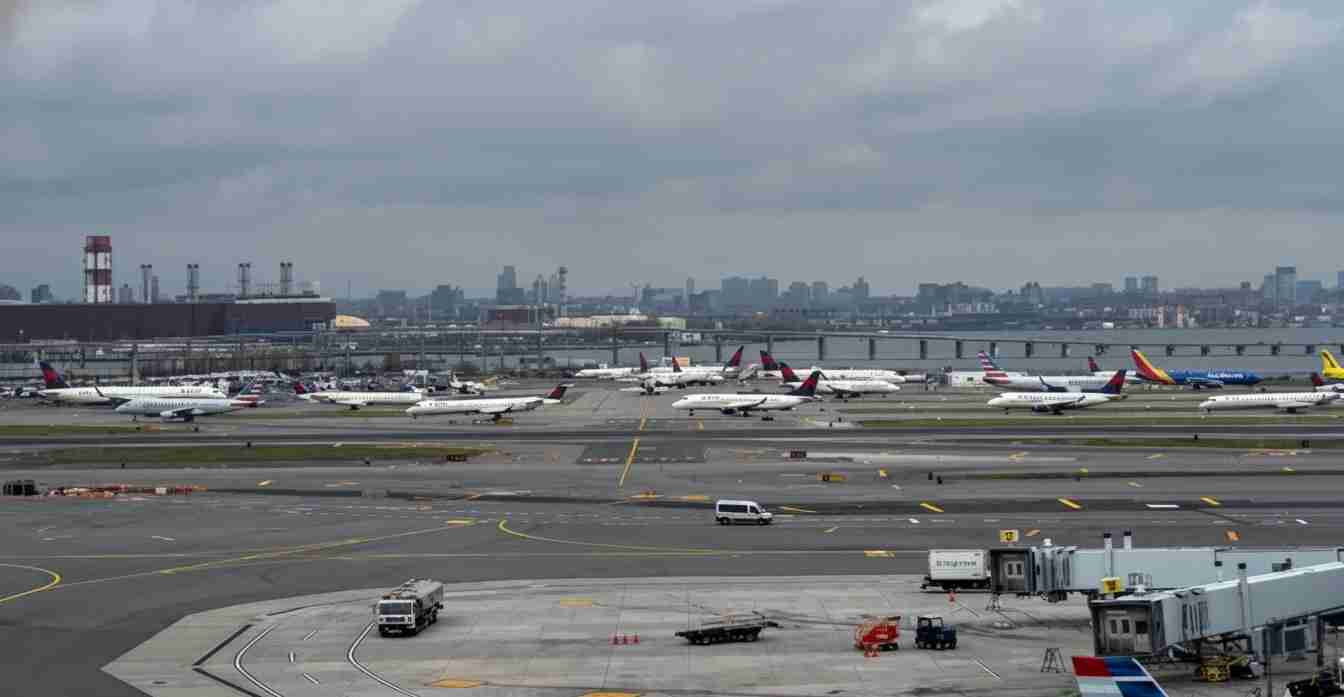
American air travelers are confronting widespread cancellations, delays and schedule cuts after the Federal Aviation Administration ordered phased flight reductions at major U.S. airports for Nov. 7–14, 2025, citing staffing shortfalls amid an ongoing government shutdown and prompting political fallout.
- FAA order: The FAA emergency order requires stepped domestic flight reductions at high-impact airports through Nov. 14 and beyond.
- Carrier response: Major airlines announced thousands of cancellations and daily schedule cuts concentrated at about 40 large U.S. airports, per the American Airlines update.
- Shutdown tie: The cuts stem from staffing shortfalls linked to the federal shutdown while senators advance bipartisan funding to restore operations.
- Political tensions: Conservative lawmakers — including Rep. Sean Duffy — have sharply criticized Transportation Secretary Pete Buttigieg over the handling of air-traffic disruptions.
FAA flight reductions and official rationale
The Federal Aviation Administration issued an emergency order requiring airlines to submit reduced schedules and cut operations at designated high-impact airports in a phased plan. The mandatory minimum cuts escalate as follows: 4% by Nov. 7, 6% by Nov. 11, 8% by Nov. 13 and 10% beginning Nov. 14 and thereafter, according to the FAA emergency order.
The agency said the measures are intended to preserve safety and the National Airspace System (NAS) amid staffing shortfalls and other operational constraints tied to the ongoing federal shutdown. The FAA also said it will coordinate daily with carriers and that airlines must file updated schedules reflecting the reduced operations.
To avoid unfair long-term penalties for compliance, the emergency order includes provisions to preserve historical airport slot rights for carriers that must reduce or cancel service while the directive is in effect (FAA emergency order).
Scale of impact for travelers and airports
Airlines quickly moved to implement the FAA directive. Major carriers have announced thousands of flight cuts, concentrating cancellations and delays at roughly 40 major U.S. airports. Industry notices indicate at least a 6% reduction will be in place on Nov. 11–12, with further phased cuts to follow (American Airlines update).
What travelers should expect:
- More abrupt schedule changes and longer waits.
- Higher chances of missed connections and crowded rebooking desks.
- Advisories from airlines and the FAA to check flight status before traveling.
Government shutdown role and legislative response
The FAA and airlines attribute the need for emergency reductions to staffing shortfalls caused by the federal government shutdown. Key aviation roles — including some air traffic positions and frontline safety staff — have been affected by furloughs or delayed pay, complicating operations and schedules.
Senators from both parties advanced a bipartisan funding package aimed at ending the shutdown and restoring normal FAA operations. However, the emergency order remained in effect until funding is signed and staffing levels return to normal.
Political fallout and Pete Buttigieg criticism
Political pressure is mounting. Conservative lawmakers and commentators have targeted Transportation Secretary Pete Buttigieg and the Department of Transportation for what they call insufficient planning and accountability. Rep. Sean Duffy and others publicly criticized the department’s response, arguing officials failed to foresee and avert the scale of travel disruptions.
“The administration did not provide adequate contingency plans to protect travelers and regional travel links during funding gaps,” said critics who are pressing for accountability.
Supporters of the FAA and some Democrats counter that the emergency order was a safety-first measure designed to limit harm while the shutdown persisted.
FAA and airline mitigation steps
The FAA has sought to limit disproportionate harm to smaller communities by coordinating with carriers on which flights to reduce. The order’s slot-preservation language is intended to protect carriers that comply with the safety-driven schedule cuts (FAA emergency order).
Airlines are juggling crews, gates and aircraft to absorb the mandated cuts while prioritizing hubs and key routes. Some carriers say they will target flights with low load factors to limit community impact, but passengers remain vulnerable to last-minute cancellations and long rebooking queues (American Airlines update).
Impact on travel planning and advice for passengers
Travel experts and carriers urge passengers to:
- Check flight status directly with their airline before departing for the airport.
- Allow extra time for connections and plan for possible rebooking.
- Sign up for carrier alerts and use mobile apps to manage change notices.
- Consider flexible plans or postpone nonessential trips until the shutdown ends.
Implications for Redding, California
Economic impact
Redding depends on steady air service for tourism, business travel and access to medical and educational trips. FAA reductions could reduce seats and connections to and from Redding’s regional airport, potentially lowering visitor numbers, driving up fares on remaining flights and straining local businesses that count on reliable air links. Time-sensitive freight and cargo schedules may also be disrupted.
Political consequences
Local leaders and conservative constituents may push California’s federal representatives to demand a faster resolution and accountability. The situation provides local officials cover to press for restored federal funding and clearer contingency plans from the Department of Transportation. National criticism of Secretary Buttigieg could resonate locally among voters who prioritize dependable government services and transportation.
Social effects
Disruptions disproportionately affect families, patients traveling for care and seasonal workers dependent on reliable flights. Redding residents traveling for medical appointments, college or work may face sudden cancellations that complicate time-sensitive plans. Communities with limited road access or those that rely on air travel for emergencies will feel the effects more sharply.
Cultural relevance
Air travel supports northern California’s outdoor recreation and tourism culture. Reduced or unreliable flights could deter short recreational trips—rafting, hiking and fishing—hurting weekend visitors and family travel that guides, outfitters and lodging businesses count on during fall and winter seasons.
Practical applications for travelers in Redding
- Recheck flights: Confirm departure times and monitor carrier notifications closely.
- Allow extra time: Build longer layovers into itineraries to reduce missed connections.
- Consider alternatives: Evaluate driving to alternate airports or shifting travel dates.
- Keep documentation: Retain receipts for extra costs tied to cancellations; airline or federal rules may allow refunds or reimbursements.
- Support local planning: Businesses and the airport authority should coordinate contingency services to minimize economic impact.
Sources and further reading
Key documents and notices:
Reporting note: This story is based on official FAA releases, airline notices and public statements from lawmakers and industry officials. Additional legislative developments and agency statements may alter the operational outlook as senators continue work on funding legislation to end the shutdown.



