
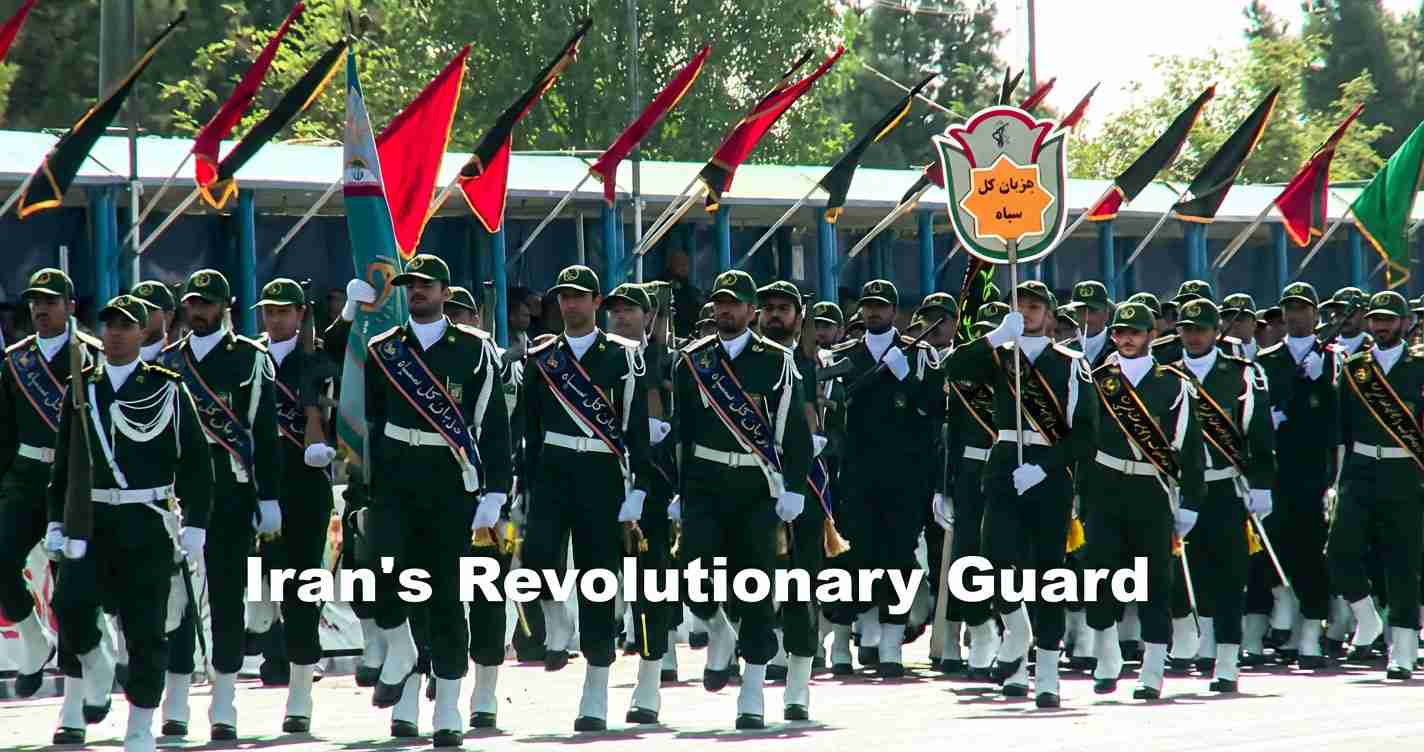
EU designates IRGC terrorist, imposes new sanctions as Iran anti-government protests spread
The European Union listed Iran’s Islamic Revolutionary Guard Corps (IRGC) as a terrorist organisation on January 29, 2026, approving a sanctions package of travel bans and asset freezes aimed at officials and entities tied to the violent repression of mass protests.
- Designation: The EU listed the IRGC as a terrorist organisation on Jan. 29, 2026, and approved a new package of measures targeting officials and entities involved in repressing nationwide protests. (video report)
- Sanctions: Measures include travel bans and asset freezes on more than 20 Iranian officials and organisations accused of involvement in killings and violent suppression. (video report)
- National steps: Germany pledged to make the EU decision legally binding; Britain is preparing similar proscription laws. (Iran International live blog)
- Scope expanded: The package references Tehran’s military support for Russia, widening the measures beyond domestic repression. (EU document)
What the EU decision means
EU foreign ministers reached a political agreement in Brussels to list the IRGC as a terrorist organisation, a step senior officials described as an escalation aimed at constraining the IRGC’s networks and deterring further domestic and regional abuses.
Kaja Kallas and other EU diplomats underlined that the listing targets the IRGC for its role in suppressing the Iran anti-government protests that began in late December 2025, and not as a conventional branch of Iran’s regular armed forces.
“The decision is intended to restrict the IRGC’s ability to operate in Europe and to hit the group’s networks with legal and financial penalties,” EU officials said, citing reports of direct IRGC involvement in deaths of protesters.
Details of the EU sanctions
Alongside the terrorist listing, the EU adopted targeted sanctions including travel bans and asset freezes on more than 20 named Iranian officials and institutions — among them the interior minister, the general prosecutor, a presiding judge, and entities accused of coordinating repression and disinformation.
The package also explicitly links some measures to Tehran’s external conduct, singling out Iranian support for Russia’s military efforts as part of the rationale. For the formal rationale and text see the European Parliament document.
International and national follow-up
Germany pledged to translate the EU’s political decision into national law quickly so the listing has immediate legal effect at home. Britain indicated it will prepare legislation to proscribe the IRGC and similar organisations under its national framework. (Iran International live blog)
EU officials framed the move as complementary to earlier U.S. targeted sanctions, aiming for transatlantic cohesion to deter Iran’s violent domestic tactics and broader international behaviour. (EU document)
Iran’s response
Tehran condemned the designation as “a major strategic mistake,” with the foreign minister calling the move confrontational and officials defending the IRGC as a counterterror force. State media warned of reciprocal steps and denounced the EU action as politically motivated. (video report; live blog)
European Commission reaction
European Commission President Ursula von der Leyen publicly welcomed the decision. In a post on X she wrote: I welcome the political agreement on new sanctions against the murderous Iranian regime. And on the designation of the Islamic Revolutionary Guard Corps as a terrorist organization. This was long overdue.
Why this matters now
The designation arrives amid sustained nationwide protests in Iran since late December 2025. Reports of harsh repression, mass casualties and a heavy IRGC role in domestic security operations prompted international outrage and pushed the EU to take a more forceful stance to punish responsible actors and limit their reach.
Implications for Redding, California
Economic and energy impacts: EU sanctions and international pressure on Tehran can influence global oil markets; tighter restrictions or rising geopolitical tensions could raise crude prices, with downstream effects on local fuel and goods costs for Redding households, businesses and farmers.
Security and law enforcement: Local authorities should be alert to the possibility of solidarity rallies, protests or counter-demonstrations. Coordination with county agencies may be prudent to monitor risks and preserve public safety.
Community relations: The measure may heighten tensions among diverse local communities and prompt faith groups, civic organisations and schools to host discussions, vigils or informational events. Community leaders should prepare clear, measured messaging.
Political and civic consequences: The decision is likely to be welcomed by conservative officials and may spur calls for complementary U.S. measures, or increased scrutiny of organizations with foreign links.
Practical steps for local leaders and residents
- Messaging: City and county officials should prepare clear public communications to reassure residents and limit misinformation.
- Safety planning: Schools and employers should review safety plans for public events and gatherings.
- Financial compliance: Local banks and businesses handling international transactions should check sanctions lists and consult compliance officers.
Sources and further reading
- Video reporting on the EU decision
- Iran International live blog on Germany and Britain responses
- European Parliament document referencing sanctions and actions
- Ursula von der Leyen’s post on X (referenced in EU announcements)
What to watch next
EU capitals will work to make the political decision enforceable in national law; Germany’s pledge could bring quick legal effects on travel and financial restrictions. Watch for Britain’s parallel steps, U.S. policy responses, possible market reactions, and any local demonstrations that follow international headlines.



