
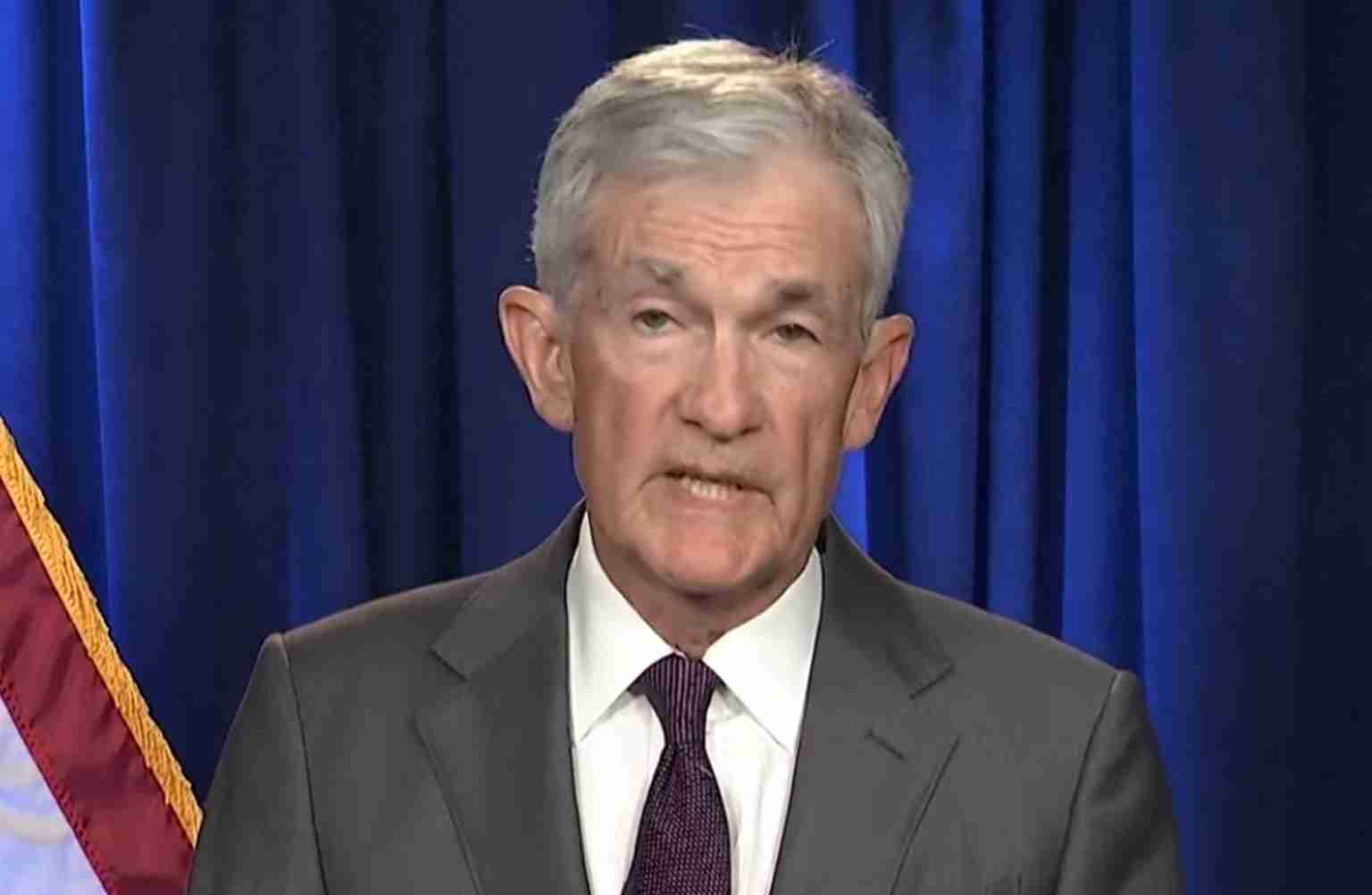
Former Fed chairs, ex-Treasury secretaries defend Jerome Powell as DOJ criminal probe raises alarm over Fed independence
A Justice Department criminal probe into Federal Reserve Chair Jerome Powell over alleged false statements about renovation costs has drawn bipartisan condemnation, with former Fed chairs and Treasury secretaries calling the inquiry a politically motivated threat to central bank independence.
- Rare bipartisan defense: Former Fed chairs and Treasury secretaries issued a joint statement defending Powell and warning against prosecutorial pressure on monetary policy (ABC News).
- DOJ subpoenas: Powell says the Fed was served grand jury subpoenas tied to his June testimony and denies wrongdoing, calling the probe political (Federal Reserve statement).
- Allegations focus on amenities: The investigation centers on whether Powell misstated details about amenities once in renovation plans—such as a rooftop terrace and private elevators (ABC News).
Powell’s disclosure and defense
Federal Reserve Chair Jerome Powell publicly explained that the Fed was served grand jury subpoenas after his June testimony to the Senate Banking Committee. He denies lying to Congress and says renovation spending reflected a multi-year plan to update an aging campus, not personal perks.
“The threat of criminal charges is a consequence of the Federal Reserve setting interest rates based on our best assessment of what will serve the public, rather than following the preferences of the president,” Powell said, urging observers to consider the inquiry “in the broader context of the administration’s threats and ongoing pressure.”
Powell views the probe as political pressure aimed at influencing monetary policy. He emphasizes that renovation choices were part of broader operational goals, including consolidation, security improvements and long-term cost savings (see Federal Reserve statement).
What the DOJ probe alleges
Reporting indicates the Justice Department is investigating whether Powell knowingly made false or misleading statements when questioned about the scope and cost of a Fed renovation project. Lawmakers and media reports point to a list of amenities that were in planning documents but later removed from the formal budget.
- Amenities flagged: Items reportedly once included then removed — a rooftop terrace, water fountains, private elevators and executive dining rooms — are central to the inquiry (ABC News).
- Core legal question: Whether Powell’s June testimony misled Congress about those items and the overall renovation costs (ABC News).
The Fed maintains that unforeseen cost increases and the goal of modernizing and consolidating the campus explain overruns, and that the final work will reduce operating costs while improving security and efficiency (ABC News).
High-profile defenders step forward
A bipartisan coalition of former central bankers and Treasury chiefs issued a joint statement calling the reported criminal inquiry “an unprecedented attempt to use prosecutorial attacks to undermine” the Fed’s political independence. Signers include Alan Greenspan, Ben Bernanke, Janet Yellen, and former Treasury secretaries such as Timothy Geithner and Henry Paulson (ABC News).
The group warned that using criminal prosecution to influence monetary policy would set a dangerous precedent that could harm price stability, market confidence and the dollar’s credibility.
Capitol Hill reaction and political stakes
The probe has provoked unusual bipartisan resistance in Congress. Senator Thom Tillis (R-N.C.) said he would oppose confirmations to the Fed until the matter is resolved; Senator Lisa Murkowski (R-Alaska) urged a congressional review of DOJ actions; Senator Elizabeth Warren called for blocking any Trump Fed nominee and framed the probe as part of broader efforts to reshape the Fed (ABC News; Fox Business).
President Trump has denied direct involvement in launching the inquiry but has publicly criticized Powell’s interest-rate decisions and renovation oversight. The criminal referral that triggered the review came from Representative Anna Paulina Luna (R-Fla.) (ABC News).
Legal and institutional questions
Legal experts note that proving a false-statement crime requires showing Powell knowingly lied — a high bar when testimony covers estimates, changing budgets and internal management choices. Criminal charges require proof beyond a reasonable doubt of intentional deception to investigators or Congress.
Institutionally, many observers warn that prosecutorial threats tied to policy or routine management matters could chill central-bank independence, potentially undermining efforts to maintain stable prices and healthy markets.
Local angle: Why Redding should care
Though the dispute centers in Washington, decisions about Fed independence and monetary policy ripple to local economies — including Redding, California. Below are specific local implications and actions residents can take.
Implications for Redding, California
Economic impact
- Mortgage rates and lending: Fed policy shapes short-term rates; politicized pressure that forces premature rate cuts or volatility could push up long-term borrowing costs, affecting Redding homebuyers and builders (Federal Reserve statement; ABC News).
- Local government budgets: Inflation and interest-rate swings can raise borrowing costs for city and county projects, altering bond planning for infrastructure and schools.
Political consequences
- Voter concern: Constituents who prioritize low inflation may see any political interference with the Fed as a direct threat to household finances.
- Congressional action: Redding’s representatives and local advocacy groups may be drawn into national oversight fights or hearings tied to the probe.
Social effects
- Cost of living: Policy decisions that stoke inflation could raise grocery, gas and utility bills in Redding, hurting families on fixed incomes.
- Business confidence: Political pressure on monetary policymakers can make employers more cautious about hiring and investment locally.
Cultural relevance
Many Redding residents value institutional independence and the rule of law. The prospect of using prosecutorial power to influence policy may clash with local views on fair process and limited government overreach, potentially energizing civic engagement.
Practical applications for residents
- Watch borrowing costs: Homebuyers and small-business owners should monitor mortgage and loan rates — small Fed-policy shifts can change offers from local banks.
- Contact representatives: Residents can urge their members of Congress to protect Fed independence and demand transparency in oversight.
- Plan budgets: Local governments and nonprofits should prepare contingencies for interest-rate and inflation swings affecting project and operating costs.
Sources and further reading
- ABC News: DOJ’s criminal probe into Fed Chair Powell
- ABC News (Politics): DOJ launches criminal investigation of Fed Chair Jerome Powell
- Federal Reserve: Powell video statement on DOJ subpoenas
- Fox Business: Coverage of GOP reaction and broader political fallout
Summary: The DOJ criminal probe into Jerome Powell over renovation-cost testimony has united a rare bipartisan defense from former Fed and Treasury leaders, raised complex legal and institutional questions, and prompted concerns about the local economic and political consequences for places like Redding, California.



