Boca Raton City Council Meeting Erupts as Residents Fight Plan to Bulldoze WWII Veterans’ Memorial
A Boca Raton City Council meeting turned chaotic as residents and veterans protested a plan to demolish a World War II memorial for new development. Opponents vow to preserve the cornerstone amid heated debates and ongoing public pressure.
- Mass protest: A packed council chamber erupted as residents demanded preservation of a decades-old WWII memorial.
- Key voices: Speakers such as John Pearlman and Buffy Tucker called the site a place of reverence and reflection and urged the council not to move it.
- Legal and planning clash: Officials say the park is city property that could be repurposed and memorial elements relocated; opponents argue relocation would destroy its meaning.
- Broader implications: The dispute has sparked a preservation movement in Boca Raton and offers lessons for other cities, including Redding, California.
What happened at the council meeting
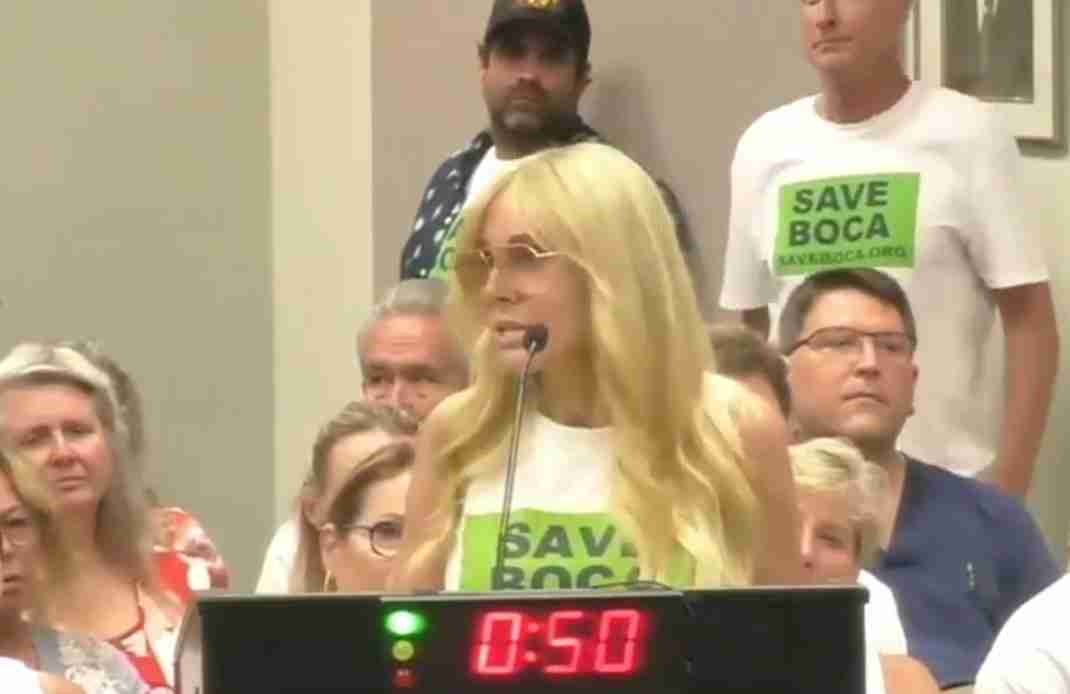
A routine council session turned heated when scores of residents arrived to oppose a plan that could raze a WWII veterans’ memorial to make room for new construction. Video of the meeting shows an emotional crowd and repeated interruptions as people stood to speak against the proposal. Watch the video of the council meeting for full footage.
Social posts and short clips amplified the story nationally, including a Fox News segment circulated on TikTok — see the Fox News TikTok clip. Speakers such as John Pearlman and Buffy Tucker described the memorial as a place of “reverence and reflection” and said removal would dishonor local veterans.
“The memorial is where our community remembers its veterans — moving or destroying it would strip its meaning,” said attendees captured in meeting footage.
Why the plan is controversial
At the heart of the dispute is whether the site is legally and historically designated as a protected war memorial or whether it is city-owned property that may be repurposed. City planners have suggested the land might accommodate infrastructure or a new government building and that memorial elements could be relocated; opponents counter that relocation would strip the site of its context and meaning.
Coverage and commentary have framed the conflict as a clash between development interests and historic preservation — for local reporting and analysis see the Boca Raton Tribune op-ed and analysis, and broader coverage at AOL.
Voices from the community
The controversy drew veterans’ groups, neighborhood associations, and private citizens who packed the meeting and spoke passionately about the memorial’s role in civic life. Several described how the site hosts remembrance ceremonies and serves as a visible reminder of World War II sacrifices.
- Public reaction: Videos show residents chanting and interrupting proceedings when the council attempted to delay discussion, an act many called disrespectful.
- Grassroots energy: Organizers have circulated footage and urged attendees to return for future hearings.
- Highlighted quotes: Many speakers insisted that relocation would be tantamount to erasing local history.
What officials say
City officials and planners contend that proposals aim to balance civic infrastructure needs with public sentiment. Their position: memorial items would be preserved and could be relocated if necessary, and the city has the authority to consider alternative uses for the land. Opponents remain unconvinced, arguing that context and public trust would be lost if the memorial is moved.
Both sides are preparing for more hearings and public engagement before any final decisions are made; ongoing coverage is available at AOL and community discussion boards such as the AR15 forum thread.
Preservation efforts and public pressure
Public resistance has produced a grassroots preservation movement focused on protecting the memorial. Residents organized protests, shared video and commentary online, and pledged to attend future council meetings to press their case. National attention via social clips has amplified local concerns.
Advocates are pursuing legal avenues and public-records requests to clarify the site’s status and potential protections. Meanwhile, city planners and developers continue to argue that repurposing the land could meet broader civic needs if handled sensitively.
Ongoing debate and what to watch next
No final vote has been reported. Items to monitor include any formal designation of the site as a protected memorial, proposals that balance relocation versus in-place preservation, and potential legal challenges if the city advances plans without broader public consent.
- Formal designation efforts or preservation ordinances
- Proposed compromises that maintain memorial context
- Possible litigation or injunctions filed by preservation advocates
Source links (for reference and further reading)
- Video of the council meeting
- AOL coverage
- Boca Raton Tribune op-ed and analysis
- Forum discussion
- Fox News TikTok clip
Implications for Redding, California
The Boca Raton dispute offers warnings and lessons for Redding officials and developers about the risks of advancing development without public buy-in. Below are potential effects and practical steps local leaders and residents can take.
Economic impact
Delays and costs: When a community rallies to protect a memorial, projects can be slowed by protests, legal challenges, and reputational damage that raises costs and discourages investment.
Political consequences
Local officials perceived as siding with developers over veterans or history can face electoral backlash. For conservative-leaning voters in Redding, respect for veterans and local control can become decisive campaign issues.
Social effects
Public spaces and memorials bind communities by hosting rituals—memorial services, parades, and school visits. Failure to protect these spaces can erode civic cohesion and intergenerational traditions.
Cultural relevance
Altering a site tied to military service can be perceived as an attack on community values. Local leaders should approach such projects sensitively, recognizing the cultural weight memorials carry.
Practical applications for Redding residents and officials
- Review local protections: Audit municipal codes and historic designations that may protect memorials and parks.
- Encourage early engagement: Developers should consult stakeholders early to avoid late-stage conflicts.
- Attend meetings: Residents should register and participate in council meetings early in the process.
- Document history: Veterans’ groups and historical societies should preserve records that support protection claims.
- Consider compromise: Prioritize in-place preservation or a relocation plan crafted with full public input.
What Redding can learn
The Boca Raton dispute underscores that honoring veterans and preserving history are community expectations transcending politics. For leaders in Redding: prioritize public trust, respect memorials, and integrate community input to avoid the kind of uproar that has unfolded in Boca Raton.