
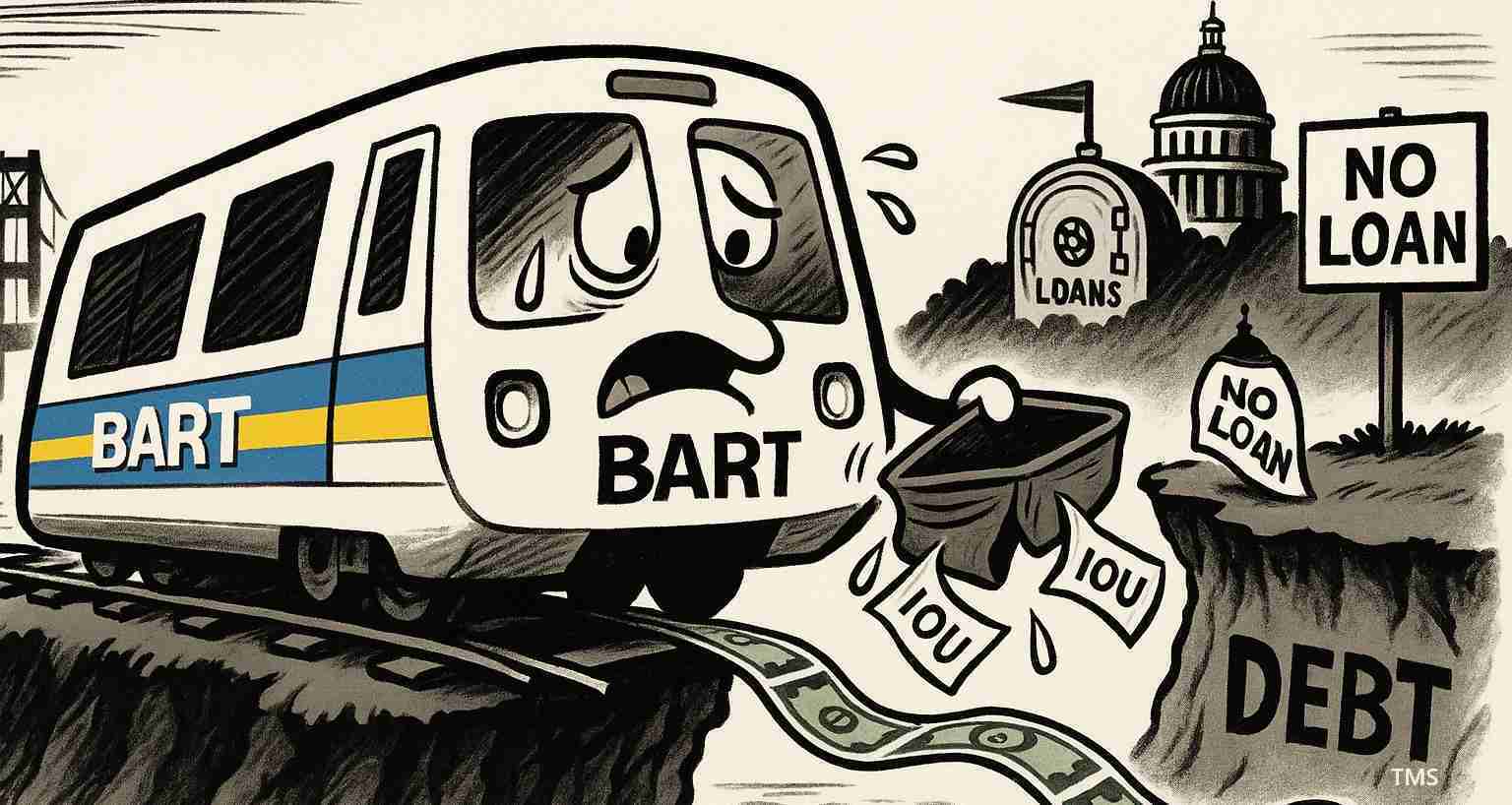
Massive Bay Area transit cuts loom as Newsom stalls $750M loan; San Francisco mayor urges Sacramento to deliver
Bay Area transit agencies face massive service cuts, including BART and Muni, after Governor Gavin Newsom reportedly stalled a crucial $750 million state loan, threatening regional commutes and the economy until a long-term funding solution in 2026.
Key takeaways
- Immediate risk: Sacramento’s delay imperils a $750 million loan tied to SB 63, raising the prospect of drastic cuts at BART and Muni.
- Budget shortfalls: Muni projects up to a $434M gap by 2030; BART forecasts nearly $400M by 2027 without state support.
- Political pressure: San Francisco Mayor London Breed and state lawmakers are urging the governor to release the loan so service isn’t slashed before a 2026 regional vote.
- Regional consequences: Cuts would reverberate beyond the Bay Area, affecting economies and travel patterns across Northern California, including Redding.
State loan stalls; why it matters
A June package restored $1.1 billion for transit and authorized up to $750 million in state loans as a temporary stopgap while voters consider a regional funding measure in November 2026. Lawmakers and agency leaders say Governor Newsom has conditioned release of that loan on follow-up legislation that clarifies loan terms — notably Senate Bill 63 — leaving the cash in limbo.
Advocates warn the pause amounts to a backtrack from a promise local agencies counted on when budgeting for the year. Reports indicate the loan may be delayed or tightened as broader budget negotiations continue in Sacramento.
Which agencies are at risk
BART and the San Francisco Municipal Transportation Agency (Muni) would be among the hardest hit if the loan is not finalized:
- BART: Operating revenue remains below pre-pandemic levels; federal emergency funds have mostly expired. Officials estimate a deficit approaching $400 million by 2027 without new state support.
- Muni: Projects a $320 million shortfall now, rising to $434 million by 2030; service reductions would likely reduce frequency on core lines and hurt riders who rely on transit for jobs and medical care.
- Other operators: AC Transit, Caltrain and smaller agencies also face gaps; the $750M loan was structured to be distributed across major operators covering nine Bay Area counties.
“If Sacramento fails to deliver the loan, the transit system will face catastrophic cuts,” advocates warned when the stopgap was first discussed.
Financial reality: ridership and revenue
Ridership across the Bay Area has not fully rebounded from the pandemic. With farebox and ancillary revenues down and most federal emergency aid expired, agencies face structural budget shortfalls rather than transient cash shortfalls. Supporters of the loan say it would buy time for a voter-backed, long-term fix; critics warn temporary loans can delay reforms and create repayment risks.
Potential service cuts: what riders would see
Agency scenarios paint stark outcomes: BART has warned of cuts up to 90% in extreme cases, jeopardizing airport access and cross-bay travel. Muni has signaled possible reductions up to 30%, which would hit frequency on core city lines and disproportionately affect lower-income riders on neighborhood routes.
Officials say cuts would likely prioritize commuter and revenue-generating services, raising equity concerns as off-peak and neighborhood routes bear the brunt.
Lawmakers, mayors push back
San Francisco Mayor London Breed, state Sen. Scott Wiener, and other Bay Area leaders have publicly urged Sacramento to honor the earlier commitment. Breed emphasized that “the Bay Area doesn’t function without transit,” warning of ripple effects on the regional economy if service is slashed.
Lawmakers argue the loan and the pledge of a 2026 ballot measure were part of an agreed package; delaying the loan, they say, undermines trust and puts millions of riders at risk.
Why the loan is tied to SB 63
The $750M loan package is linked legally and politically to Senate Bill 63, which would enable a regional transit funding measure to appear on the November 2026 ballot. The state has conditioned the loan on passage of SB 63 so there is a clear path for repayment if voters approve the regional revenue plan.
Without SB 63, state officials say they lack authority or assurance to finalize loan terms; some lawmakers want stricter oversight and repayment safeguards before committing funds.
Accountability questions and fiscal safeguards
Conservative lawmakers and some local officials demand explicit loan conditions: oversight, repayment terms, cost controls and performance reporting. Supporters counter that abrupt cuts would impose higher economic costs — lost productivity, increased congestion, and worse outcomes for essential workers — making short-term state help plus voter-approved long-term funding the lesser economic harm.
Long-term fix depends on voters
Even if the state releases the loan, analysts and officials stress it is a bridge. A stable, long-term funding plan — likely a regional taxation or fee measure approved by voters — is needed to stabilize transit finances. Bay Area counties are drafting a regional ballot measure for November 2026, but it cannot take effect until voters approve it.
Implications for Redding, California
Though Redding sits roughly 160 miles north of San Francisco, Sacramento’s decision will have tangible effects for Northern California communities:
- Economic ripple effects: Cuts in the Bay Area could slow business travel and reduce demand for services supplied by Redding firms, disrupting tourism and inter-regional commerce.
- Commuting and travel options: Less reliable Bay Area transit may shift travel patterns, affecting hospitality and retail in Redding that serve Bay Area visitors and partners.
- Fiscal and political precedent: The debate may fuel calls in Redding for stricter state accountability, clearer loan terms, and favoring local control over new state-directed funding.
- Workforce mobility and social services: Cuts could increase costs for long-distance travel and complicate schedules for nonprofits and agencies coordinating with Bay Area partners.
- Local politics and messaging: Redding leaders may use the dispute to argue for fiscal responsibility while weighing the economic harm abrupt Bay Area transit cuts could inflict across Northern California.
Sources and reporting
This report draws on coverage from major local and regional outlets that tracked legislative negotiations, agency forecasts, and statements from officials:


