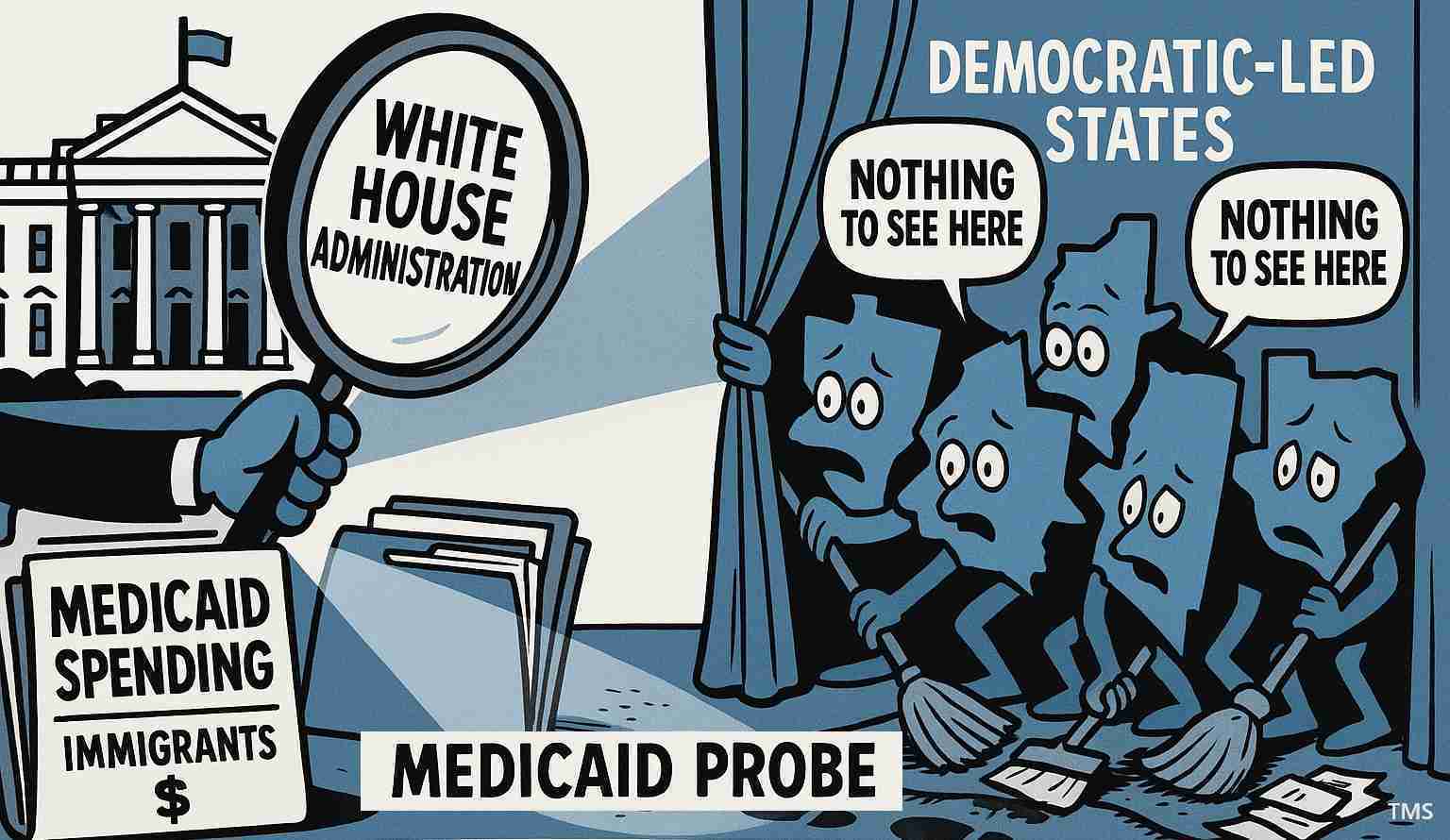
Trump administration opens probes into Medicaid spending on immigrants in blue states, raising privacy and funding fights
The Trump administration opened federal probes in 2025 into Medicaid spending on immigrants in Democratic-led states, targeting programs in California, Colorado and New Mexico and raising privacy alarms over beneficiary data and disputes over federal funding rules.
Key takeaways
- CMS probes launched in 2025 target Medicaid programs in at least six Democratic-leaning states, including Colorado, California and New Mexico, to review eligibility and federal matching claims.
- Data requests prompted legal fights: federal demands for detailed noncitizen enrollment data led to court challenges and temporary blocks on data sharing with immigration authorities.
- Privacy and public-health concerns: states and advocates warn that broad data collection could expose sensitive records and deter immigrants from seeking care, risking community health.
- Political divide: Republicans frame the probes as taxpayer protection; Democrats call them federal overreach that threatens patient confidentiality and state health programs.
Scope of the investigations
In 2025, the Centers for Medicare and Medicaid Services (CMS) opened reviews of state Medicaid spending that benefits immigrant populations. Officials identified at least six Democratic-leaning states under scrutiny, singling out Colorado, California and New Mexico among others as examples of programs that extend coverage beyond federal limits.
CMS sent what state officials described as “lengthy and more detailed” data requests to state Medicaid agencies seeking enrollment lists, eligibility details and other information on noncitizen beneficiaries. Reporting on these actions is documented by KFF Health News (Morning Breakout) and local outlets such as Denver7.
Federal rationale and oversight
CMS officials say the probes are intended to preserve Medicaid integrity and ensure federal dollars are not claimed for ineligible individuals. One CMS official described a concern that Medicaid not be used “as a backdoor pathway to subsidize open borders,” framing the reviews as checks on improper federal matching claims.
Oversight methods included audits and formal data requests to determine whether state-funded programs or coverage options exceed federal limits and whether federal matching funds were improperly claimed. Coverage and analysis of the policy rationale appear in KFF Health News (Morning Briefing).
Privacy and legal battles
“The data requests threatened beneficiary privacy and could deter people from seeking care,” said state and privacy advocates in court filings.
States and civil-rights groups warned that the federal data collection could expose personal health and immigration information to enforcement agencies. In Colorado, a federal judge temporarily barred CMS from sharing state Medicaid data with immigration authorities after legal challenges argued the requests endangered beneficiary privacy; reporting on this action is available from Denver7.
California’s governor accused the federal government of endangering Californians’ private information and raised concerns about data sharing with the Department of Homeland Security. State officials cited state laws limiting Medi‑Cal disclosures, emphasizing that beneficiary information should be used for eligibility and care management—not immigration enforcement. See the governor’s statement at California.gov.
State responses and political reaction
Democratic governors and state lawmakers sharply criticized the probes as politically motivated and harmful to vulnerable residents. They argued that targeted state programs protect public health and fiscal stability by funding services outside federal Medicaid rules, warning cuts could harm children, pregnant women and disabled residents. Analysis is discussed in KFF Health News.
Conversely, Republican voters and officials applauded increased scrutiny of state spending on noncitizens. Polling shows many Trump voters prioritize immigration control, though some worry about cuts that could affect their own Medicaid benefits—a dynamic outlined by KFF analysis.
Public reactions and health impacts
Advocacy groups and public-health experts warn the probes could have a chilling effect, deterring undocumented immigrants from seeking emergency or routine care. Providers say reduced care-seeking can increase public-health risks by allowing contagious or serious conditions to go unaddressed.
State officials also note the administrative burden: compliance and legal responses may divert resources away from patient care toward data collection and legal defense, straining Medicaid program operations.
Implications for Redding, California
Economic impact: Redding’s hospitals and clinics, which serve a mix of insured and uninsured patients, could face more uncompensated care if state programs for immigrants are reduced or scrutinized. Smaller local systems may feel financial strain faster than larger urban centers.
Political consequences: Located in Shasta County, a conservative-leaning area, Redding residents generally support strong immigration enforcement and careful taxpayer spending. The probes may appeal to those voters, but concerns remain about cuts that could affect essential local services.
Social effects: Immigrant families depend on clinics, community health centers and county public-health programs. Fears about data sharing with federal agencies could reduce clinic visits, delay care for children and pregnant women, and increase long-term emergency costs.
Practical applications: Local providers and officials in the Redding area should review data-sharing practices, prepare for possible state funding or eligibility changes, and brief clinic staff on privacy protections and how to reassure patients about the use of their information.
Background: Medicaid rules and state options
Federal law generally limits Medicaid coverage for undocumented immigrants to emergency services, such as treatment for life‑threatening conditions and childbirth. Some states elect to use their own funds or seek waivers to provide broader care to certain immigrant groups. These state-funded decisions are central to the dispute as CMS examines whether federal matching funds were claimed for services not allowed under federal eligibility rules. See the California statement at California.gov.
Reporting notes and sources
This report draws on coverage and statements from federal and state officials and reporting by the outlets below. Preserve original reporting for further review:
- KFF Health News — Morning Breakout (Sept. 5, 2025)
- KFF Health News — Morning Briefing (Sept. 5, 2025)
- Denver7 — Feds investigate Colorado’s spending on health care for undocumented immigrants
- Office of the Governor of California — Statement (June 13, 2025)
- KFF — Analysis on Trump voters and Medicaid cuts
For more on state-federal rules governing Medicaid eligibility and federal oversight, readers can review CMS guidance and the articles linked above.