Deadly crash on Florida’s Turnpike spotlights CDL licensing standards and a widening blame game over truck driver Harjinder Singh
A deadly Aug. 12, 2025 crash on Florida’s Turnpike in Fort Pierce after a truck driver’s illegal U-turn killed three people and sparked a national dispute over commercial driver’s license standards and interstate regulatory responsibility.
- Fatal crash: An illegal U-turn on the northbound lanes of Florida’s Turnpike in Fort Pierce led to a chain-reaction collision that killed three people, according to reporting by NBC Montana.
- Driver credentials: The driver, Harjinder Singh, held CDLs in California and Washington; state records and reviews show licenses were issued in compliance with applicable rules, per CBS Austin and NBC Montana.
- Policy debate: The incident has reignited calls for standardized English testing, better interstate data sharing, and stronger federal oversight of CDL issuance, issues explored by local and national reporters.
Crash details and victims
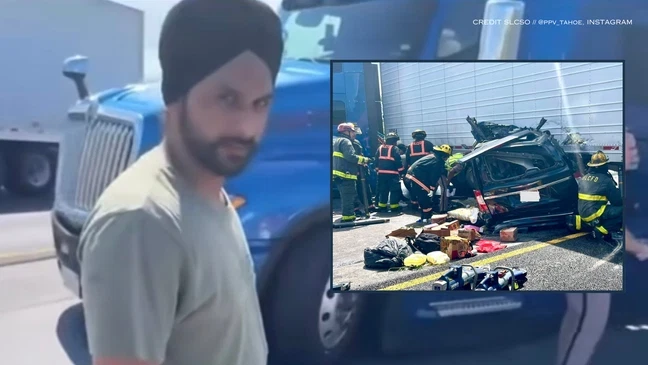
On the morning of Aug. 12, 2025, authorities say Singh performed an illegal U-turn and stopped his truck in the northbound lanes of Florida’s Turnpike in Fort Pierce, a maneuver that left drivers with little time to react and led to a fatal chain-reaction collision. Reporting and photo documentation are available from WESH/TurnTo10 and other outlets.
Victims: Three people died at the scene or shortly after the crash. Among them was Herby Dufresne, a 30-year-old Haitian father who had entered the U.S. under a humanitarian parole program and was working to support family abroad; his story is detailed by CBS12.
Who held responsibility: licenses and records
Florida officials quickly questioned whether California followed federal and state law when it issued Singh a commercial driver’s license, raising concerns about his English skills and overall fitness to drive commercially. That line of criticism was reported by NBC Montana.
Records review: Public records and statements from licensing agencies indicate California complied with the required testing and documentation at the time of issuance, and investigators noted Singh held valid commercial licenses from both California and Washington, as reported by CBS Austin and NBC Montana.
English proficiency and enforcement questions
A key element in the dispute is the federal requirement that CDL holders be able to understand and respond to safety-related communications in English. How states measure and enforce that standard varies widely.
After the crash, reporting said Singh scored two out of twelve on an English language test administered post-incident, a detail reported by NBC Montana. Weeks earlier, New Mexico law enforcement released body camera footage showing Singh struggling to communicate in English during a traffic stop; that footage was published by WEAR-TV, and Florida officials cited it as part of their criticism.
Reaction and the blame game
The crash quickly became political. Florida officials publicly criticized California, suggesting state practices might have allowed an unsafe driver to obtain a CDL; that exchange was covered by NBC Montana.
California authorities countered that they followed both federal and state law when issuing the license, a position supported by media reviews and state records cited in reporting from CBS Austin. The exchange highlights interstate tensions over road safety and oversight.
Legal and regulatory analysis: where the system may have gaps
Legal experts and investigators note systemic gaps in U.S. CDL oversight. Federal law sets baseline requirements — including an English comprehension standard — but implementation and enforcement are left to states, producing a patchwork of testing methods, record-keeping, and follow-up practices. This analysis was raised in reporting by NBC Montana.
Investigators also highlighted that Singh held licenses in more than one state, raising questions about interstate data sharing and whether fragmented systems can catch potential red flags before tragedy occurs; coverage of multi-state licensing appears in WESH/TurnTo10.
Broader context: immigration, parole programs and public safety debates
Beyond licensing mechanics, the crash intersects with debates about immigration and public safety. The victim Herby Dufresne had been admitted under a humanitarian parole program that was wound down earlier in 2025; his background and the human cost of the crash are detailed by CBS12.
For many observers, the case raises questions about balancing compassion and work opportunities with public-road safety. Officials in different states have used the incident to critique one another and to call for clearer national rules, as reported across multiple outlets.
What experts say about fixes
Policy analysts propose several practical remedies: better interstate data sharing, standardized federal English-testing protocols, and stronger tracking of drivers with licenses in multiple states. These proposals would require federal action and cooperation from state motor vehicle agencies, according to commentary cited by CBS Austin.
Implications for Redding, California
Economic impact: Redding relies on freight and trucking; tighter CDL standards or new federal rules could raise costs for local carriers, affect driver supply, and push up shipping expenses for regional goods.
Public safety and roads: Residents and officials in Shasta County may press for stronger state safeguards or more regular checks on licensed commercial drivers operating locally.
Political consequences: The case may reinforce calls among conservative voters and local leaders for federal reforms that protect public safety while maintaining fair licensing practices.
Social effects and cultural relevance: Redding communities tied to migrant labor and trucking may feel both sympathy for victims like Herby Dufresne and demand for clearer safety guarantees. Practical local steps could include enhanced driver training programs, partnerships with community colleges for English and safety education, and public forums to press officials for action.
Sources and reporting
This article draws on reporting and public records reviewed by multiple outlets, including Times Media Service partner coverage and independent local reporting: NBC Montana, CBS Austin, WESH/TurnTo10, WEAR-TV, and CBS12.
Reporting included review of state licensing records, official statements from California authorities, New Mexico body camera footage, and post-crash testing results referenced in public reports. Authorities in Florida continue their investigation, and state and federal agencies are reviewing whether changes are needed in CDL licensing standards and enforcement, as reported by NBC Montana and CBS Austin.