
U.S. Military Sinks Drug Vessel Off Venezuela; 11 Killed in Strike Tied to Tren de Aragua
The United States military conducted a precision strike in international waters off Venezuela, sinking a drug vessel and killing 11 people identified as members of the Tren de Aragua gang, the administration said, after its FTO designation.
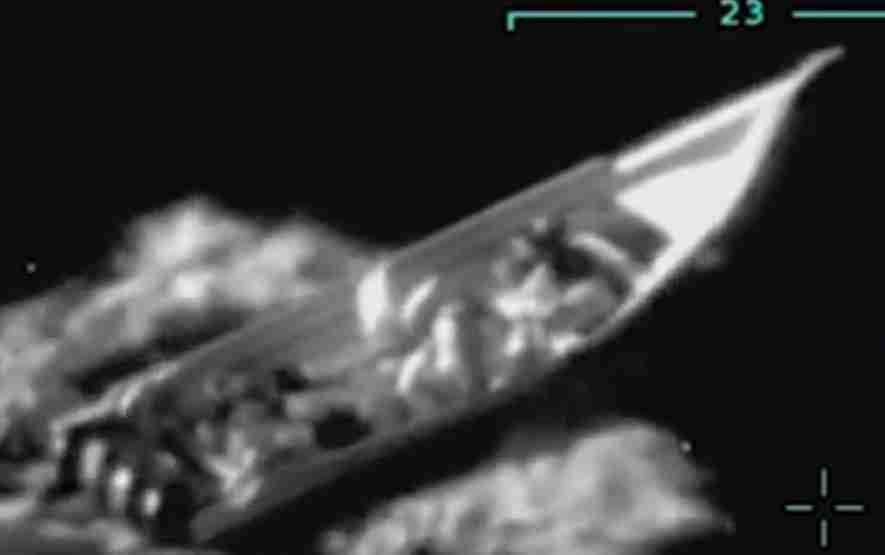
- What happened: U.S. forces shot and sank a “go-fast” drug boat in international waters off Venezuela, killing 11 people the administration says were Tren de Aragua members; no U.S. casualties were reported (Axios reporting).
- Designation & tools: The strike follows the Feb. 20, 2025 U.S. designation of Tren de Aragua as a Foreign Terrorist Organization, which broadened sanctions and legal authorities (Treasury; State Department).
- Transparency concerns: The administration released a short video and said targets were “positively identified,” but operational details and independent verification remain limited (Axios reporting).
- Strategic mix: The action is part of a wider U.S. approach combining naval deployments, sanctions and legal measures to disrupt cartel networks and pressure Venezuela (The Cradle).
Key information
Summary: U.S. forces engaged and sank a fast-moving drug boat in international waters off Venezuela, killing 11 people the administration says were members of Tren de Aragua. Officials reported no U.S. casualties. The action was announced by President Trump, who released a video clip of the strike (Axios).
Background: who is Tren de Aragua?
Originally a Venezuelan criminal group, Tren de Aragua has grown into a violent transnational network that U.S. officials say engages in drug trafficking, human smuggling, extortion, sexual exploitation and money laundering. The organization expanded as Venezuelans migrated through the region and into other countries, including incidents reported in the United States. On Feb. 20, 2025, the U.S. formally designated the group as a Foreign Terrorist Organization, enabling tougher sanctions and broader legal tools (Treasury; State Department; Wikipedia).
What the administration says about the strike
President Trump announced the operation and released a short clip he said shows the strike against a “go-fast” drug vessel — a small, high-speed boat often used to shuttle narcotics from larger ships to shore. The administration described the targets as “positively identified” members of Tren de Aragua and cited the recent FTO designation as justification for the operation and follow-on measures, including sanctions on entities tied to the group and allied cartels (Treasury; State Department).
“Positively identified” — administration claim regarding the identities of those killed; officials have not released full operational details or independent verification of the video (Axios).
Operational details remain limited
Officials have only said the strike occurred in international waters off Venezuela’s coast. Key facts that remain undisclosed include:
- Exact location beyond “international waters off Venezuela.”
- Whether narcotics were seized and, if so, how much.
- The specific U.S. units or platforms involved in the operation.
- Detailed evidence supporting the identification of the 11 killed.
Media reporting underscores that the administration-released video has not been independently verified, prompting questions about transparency and the legal authority for conducting kinetic operations against non-state criminal actors in international waters (Axios).
Strategic context: law enforcement meets national security
The strike fits into a broader U.S. strategy that blends military deployments, sanctions and diplomatic pressure to disrupt cartel operations and to apply pressure on the Maduro regime. Reporting indicates a flotilla of U.S. ships has been moved into the region while legal and financial actions target networks that move drugs and launder proceeds (The Cradle; Axios).
The administration links cartel activity to elements that allegedly shield or profit from illicit networks, and sanctions announced this year target Tren de Aragua and other criminal entities including groups tied to the Cartel de los Soles and materials linked to the Sinaloa Cartel (Treasury).
International and diplomatic reactions
Venezuelan response: President Nicolás Maduro has disputed U.S. claims about Tren de Aragua, calling the group a U.S. “construct” used to justify intervention in Venezuela (Wikipedia).
Other international reactions are still emerging. U.S. officials say they are coordinating with regional partners as part of broader counter-narcotics and counterterrorism efforts. Independent verification of the identities of the 11 killed and whether they were actively engaged in a narcotics transfer at the time has not been made public.
Legal and policy issues
Designating a criminal organization as a Foreign Terrorist Organization broadens U.S. legal tools, enabling harsher sanctions and making material support to the group a potential U.S. crime (State Department). The strike raises questions about the legal basis for using military force against non-state criminal actors in international waters. The administration argues the action was lawful under U.S. counter-narcotics authorities and the new FTO designation; critics say clearer evidence and legal justification are required for kinetic operations outside declared war zones.
Local angle: why this matters to Redding and Northern California
Public-safety impact: Drug flows from South America remain a public-safety and public-health threat in California. Fentanyl-laced pills, heroin, methamphetamine and other illicit drugs trafficked through international networks fuel overdoses and violent crime. Redding and Shasta County have seen spikes in drug-related incidents; degrading cartel maritime capacity could, over time, reduce shipments that reach local streets.
Practical note: Any reduction at sea is only one link in a long chain — domestic enforcement, prosecutions and treatment capacity determine whether the community sees tangible benefits.
Support for forceful action
Many conservative-minded readers in Redding may welcome a strong response to transnational criminal groups. The strike signals the administration is employing military and legal tools to protect Americans and secure supply routes. Local law enforcement has long called for aggressive federal action against major suppliers and financial networks that enable local dealers and gangs.
Concerns about transparency and escalation
Residents who favor limited government or careful use of force may seek more information. Outstanding issues include the accuracy of the identification of those killed, the decision-making chain for the strike, and whether the action could escalate tensions with Venezuela. Withheld details make it harder for the public to evaluate if the mission matched U.S. law and interests.
Sources and documentation
- Axios reporting on the strike and administration statements.
- U.S. Department of the Treasury press release on sanctions and FTO designation.
- U.S. State Department material on designations of international cartels.
- Reporting on naval movements and regional strategy (The Cradle).
- Background on Tren de Aragua (Wikipedia).
Implications for Redding, California
Economic impact
A successful disruption of cartel supply lines could, over time, reduce the quantity of hard drugs reaching Northern California, easing pressure on emergency rooms, addiction services and law-enforcement budgets. However, cartel networks are resilient and short-term local effects will likely be limited without follow-up actions targeting domestic distribution.
Public safety and law enforcement
Local police and sheriff’s deputies in Redding could see modest relief if major maritime suppliers are hit. Most enforcement and prosecution happen on land; federal agencies (DEA, Homeland Security and U.S. Attorney’s offices) must pair foreign operations with domestic investigations to dismantle local distribution rings.
Political consequences
Tough actions against cartels and the Maduro regime will resonate with conservative voters in Shasta County who prioritize border security and law and order. If federal authorities do not provide transparency about legal justification or operational facts, leaders who value constitutional limits and oversight may press for explanations.
Social effects
Fewer shipments could reduce availability of fentanyl and other drugs, potentially lowering overdose deaths and social harms. The community must continue investing in prevention, treatment and recovery programs; conservative leaders in Redding are likely to advocate enforcement paired with faith-based and community-driven rehab efforts.
Cultural relevance and practical impacts
Redding’s culture values personal safety, family stability, and strong local institutions. A strike that targets international drug networks aligns with residents who view strong law enforcement and military action as necessary to protect families and businesses. Immediate daily life changes are unlikely, but long-term reductions in supply can mean fewer thefts, less violence linked to addiction, and lower burdens on first responders.
What local leaders can watch for
- Clearer federal reporting on the legal basis and results of the operation.
- Evidence of reduced trafficking flows into West Coast ports and inland routes used by traffickers.
- Increased federal support for local law enforcement, including task forces and prosecutions.
- Expanded funding and programs for addiction treatment and recovery in Shasta County.



