
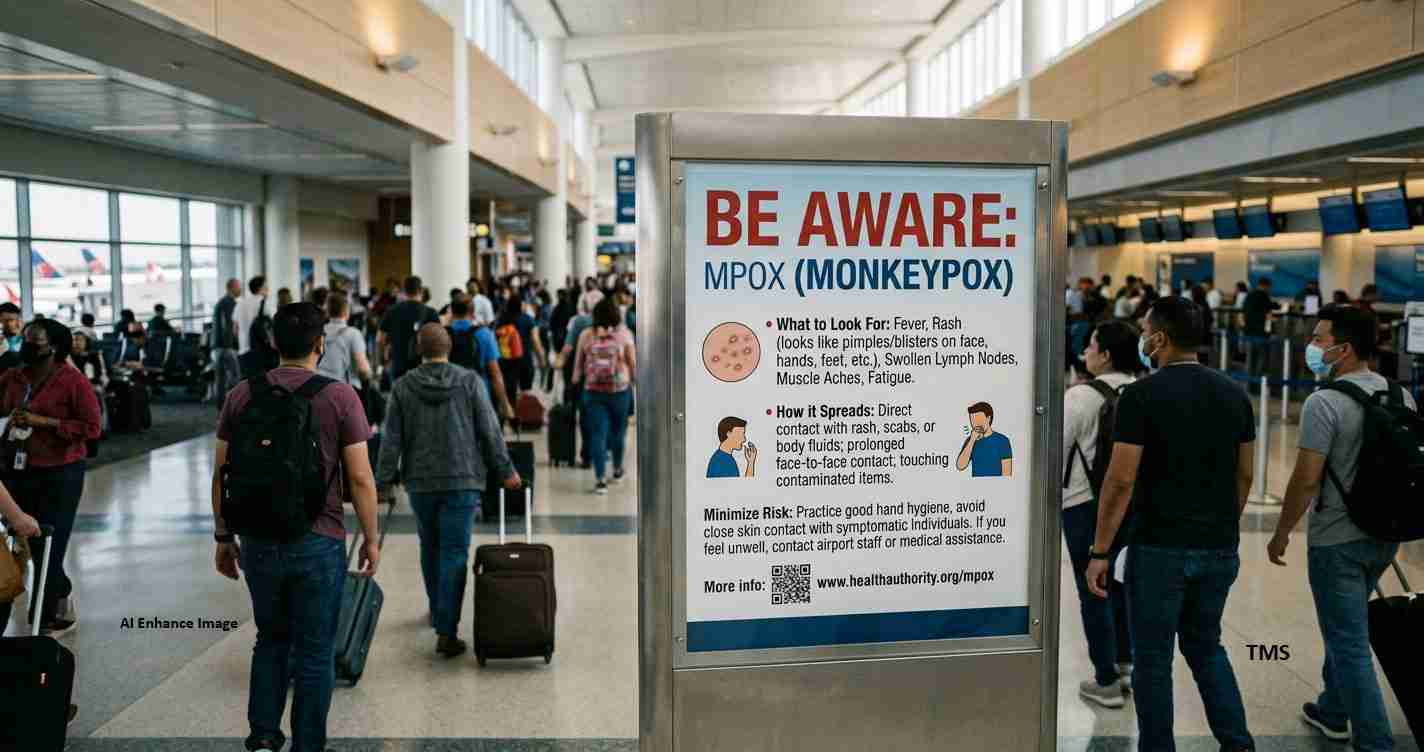
U.S. Confirms Clade I Mpox Cases as Officials Monitor Hantavirus Reports in Europe; Risk to General Public Remains Low
Federal health officials report 11 confirmed Clade I mpox cases in the U.S. since November 2024 tied to travel from affected African regions; cases are mostly mild and agencies say the risk to the general U.S. public remains low.
- Eleven U.S. Clade I mpox cases have been confirmed since November 2024 and are linked to travel or known exposures; no sustained community transmission has been reported.
- Clade I vs. Clade II: genetically distinct groups with historic differences in severity; recent data show mostly mild illness with timely care.
- Hantavirus monitoring: WHO and ECDC report no emergency alerts for widespread hantavirus outbreaks in Spain or France; European hantavirus infections remain rare.
- Local implications: Redding-area impacts are expected to be limited; targeted vaccination and clear messaging are recommended to avoid economic or social disruption.
Overview
United States (Times Media Service) — Federal reporting shows 11 confirmed Clade I Mpox cases in the United States since November 2024, each linked to travel from or epidemiologic connections with affected African areas. Officials report these illnesses as largely mild, with supportive care or antiviral therapy used when clinically indicated. Authorities continue routine surveillance and emphasize that the public health risk to the general U.S. population remains low.
Key federal and global sources
Primary reporting and guidance cited in this article include the CDC situation updates, the CDC HAN 00519, the CDC clinical guidance, WHO fact sheets on monkeypox and hantaviruses, and the ECDC hantavirus pages. A Johns Hopkins public health update is also referenced: Johns Hopkins public health update.
Clade I Mpox: what to know
Clade I Mpox refers to a genetic group of the mpox virus historically linked to Central Africa and, in some outbreaks, to more severe illness in settings without modern care. In contrast, Clade II (associated with West Africa) led the 2022 global outbreak. Health agencies stress that clade identification aids risk assessment but does not change core steps for diagnosis, treatment or prevention; clinicians follow the CDC clinical guidance for management.
U.S. Clade I Mpox cases and the Connecticut report
Federal summaries list 11 confirmed Clade I Mpox cases reported since November 2024; in each instance the person had recent travel to, or epidemiologic links with, regions in Central or Eastern Africa where Clade I circulation has been documented. These cases were predominantly managed with supportive care or antiviral treatment when indicated, and no sustained community spread within the U.S. has been identified (CDC situation updates; CDC HAN 00519).
A recent state release claiming a Clade I case tied to travel from Western Europe could not be corroborated in CDC or WHO public records at the time of reporting. The CDC’s confirmation process relies on laboratory PCR testing and genetic sequencing; official CDC reports to date list travel from affected African areas as the typical exposure for U.S. Clade I cases (CDC case definitions). Journalists and clinicians rely on federal lab sequencing and CDC confirmation when establishing clade and source; where state and federal summaries differ, CDC updates guide national risk assessment.
“The risk to the general U.S. population remains low,” federal officials say, urging surveillance, targeted prevention and evidence-based communication.
Clade I Mpox symptoms and clinical course
Typical symptoms include fever, swollen lymph nodes and a characteristic rash that progresses through stages to scabs. Incubation is generally 3–21 days. Historically, Clade I has been associated with more widespread lesions and complications in some outbreaks, but recent 2024–2026 data show most identified U.S. cases have been mild when patients received timely care. Diagnosis uses PCR testing for orthopoxvirus followed by clade-specific sequencing as needed (CDC clinical guidance).
Prevention and the vaccine
Vaccination: Public health officials continue to recommend the JYNNEOS vaccine for people at higher risk. The vaccine is characterized as safe and effective; completing the two-dose series offers the best protection for those with recent exposure or travel to affected regions (CDC vaccine information).
Officials emphasize targeted vaccination of at-risk groups rather than broad mandates, and they advise standard precautions: avoid close contact with symptomatic people, practice good hand hygiene, and seek testing if symptoms develop.
Mpox public health risk: what officials say
Federal and global agencies maintain that the mpox risk to the general U.S. population is low. The 11 Clade I cases were travel-related or linked to close contacts, and there is no evidence of widespread U.S. community transmission. Officials call for vigilance—especially with increasing travel and summer gatherings—but advocate measured, evidence-based measures focused on protecting those at highest risk (CDC situation updates).
Hantavirus in Europe: limited risk, known precautions
Hantaviruses are unrelated to mpox and are carried by rodents. In Europe, the most common presentation is nephropathia epidemica (Puumala virus), typically milder than hantavirus pulmonary syndrome in the Americas. Transmission is usually from inhaling dust contaminated with rodent excreta; routine surveillance by WHO and the ECDC continues and, as of May 2026, there are no WHO or ECDC emergency alerts for widespread hantavirus outbreaks in Spain or France (WHO hantavirus fact sheet; ECDC hantavirus).
Public advice: reduce rodent exposure in homes, campsites and storage areas; use dust-control measures when cleaning rodent-infested spaces; and consult a doctor if fever or breathing problems develop after rodent exposure (WHO guidance).
Sources and reporting notes
This article draws on federal and international public health reporting, including the CDC HAN 00519, CDC situation summaries, CDC clinical guidance, WHO and ECDC pages, and a Johns Hopkins public health update. Key URLs are preserved in linked form for verification.
Implications for Redding, California
Economic impact: Given the low risk of community mpox spread, local businesses and tourism operators should expect limited direct effects. However, travel-related fears and miscommunication can affect bookings for summer festivals, river recreation and lodging. Clear, factual messaging from local public health officials and chambers of commerce can reduce concern.
Political and social effects: Current federal guidance—targeted vaccination for at-risk groups, voluntary precautions and no broad mandates—aligns with local preferences for limited government intervention. Leaders should emphasize transparency and personal responsibility: get vaccinated if at risk, avoid close contact with symptomatic people, and seek care when needed.
Cultural relevance: Redding’s outdoor lifestyle and summer events make accurate, practical guidance essential. Emphasize simple steps: rodent control for hantavirus prevention, vaccination for at-risk individuals, and staying home when sick.
Practical applications and local guidance
Local clinics and providers in Shasta County can stock patient information about Clade I Mpox symptoms and JYNNEOS vaccine availability. Travelers should check official travel guidance before international trips—see CDC travel notices—and campers/homeowners should seal food storage, remove rodent habitat near homes, and use dust-control measures when cleaning rodent-infested areas (WHO; ECDC).
For real-time updates, residents and clinicians should consult the CDC, state health department pages and local public health offices such as Shasta County Public Health for confirmed counts and official guidance.



