
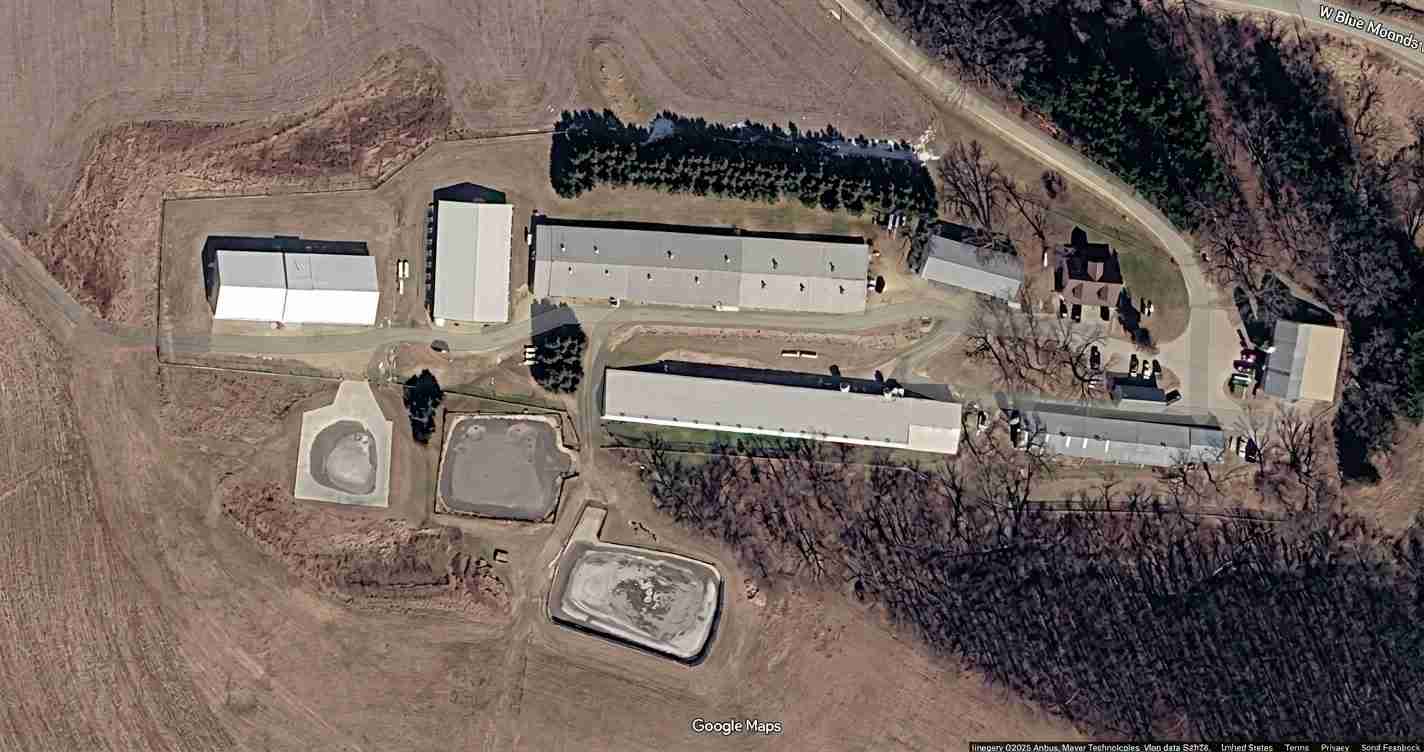
Ridglan Farms Beagle Release Begins: First 300 Dogs Leave Wisconsin Facility as Rescue Effort Grows
Over 1,500 beagles are being removed from Ridglan Farms after rescue groups struck a purchase agreement; the first roughly 300 dogs left Wisconsin Friday. Shelters nationwide will screen, vaccinate and evaluate the animals for adoption.
- Initial transports: About 300 beagles were taken from Ridglan Farms Friday, with transports expected to continue for at least 10 days (Fox6Now; YouTube coverage).
- Purchase agreement: Big Dog Ranch Rescue and the Center for a Humane Economy agreed to buy roughly 1,500 of Ridglan’s estimated 2,000–2,200 dogs for an undisclosed price (Fox News).
- Medical intake: Dogs were screened, vaccinated and given antihistamines before transport; on arrival they will receive full exams, microchips and further vaccinations (Fox News).
- Local placements: Rescue groups including Beagle Freedom Project are coordinating placements; Beagle Freedom Project is overseeing placement for roughly 500 dogs (Beagle Freedom Project).
Background on Ridglan Farms
Ridglan Farms, located near Blue Mounds, Wisconsin, bred beagles for scientific research for more than six decades. Government records and reporting indicate the site once held more than 2,000 dogs; one account cited the U.S. Department of Agriculture reporting about 2,200 animals caged at the facility (Fox6Now).
Animal welfare advocates and former employees have alleged the operation subjected dogs to rough conditions and to eye procedures performed without appropriate oversight or pain relief. A special prosecutor later concluded some eye procedures violated state veterinary standards. Ridglan denies mistreatment, saying its dogs supported biomedical research.
The sale and removal effort
After months of public pressure and legal scrutiny, Big Dog Ranch Rescue and the Center for a Humane Economy agreed to purchase approximately 1,500 beagles. The purchase price was not disclosed. The first convoy removed roughly 300 dogs on Friday, and transports are expected to continue for at least 10 days (Fox6Now; YouTube coverage).
“A very big win,” said Lauree Simmons, president and founder of Big Dog Ranch Rescue. She added she was “ecstatic to have these dogs out and get them into loving homes,” while warning many will need training for leash walking and housebreaking (Fox News).
What happens once the dogs arrive
Rescue organizations have coordinated intake plans. Upon arrival at shelters and partner rescues, dogs will receive:
- Full medical exams and vaccinations
- Microchipping
- Behavioral assessments and rehabilitation when needed
Some beagles may be adoption-ready with minimal acclimation; others will require targeted behavioral training and foster care to learn basic home routines.
Federal scrutiny and funding questions
The transfer renewed scrutiny of animal sourcing for federally funded research. Rep. Nicholas Langworthy (R‑N.Y.) urged federal health officials to cut off funding for projects sourcing dogs from Ridglan, calling for ethical standards in taxpayer-funded science (Fox News).
Advocates continue to push for the release of remaining dogs not covered by the purchase agreement so each animal may find a home.
Implications for Redding, California
Economic and shelter impact
Local shelters and rescue groups in Redding could receive some of the Wisconsin beagles as part of national placement efforts. Intake requires medical exams, vaccines, microchipping and sometimes spay/neuter surgeries — all expenses local organizations should plan for. Redding-area clinics and private veterinarians may see increased demand for adoption-related services.
Political and policy consequences
The release may prompt local questions about oversight of animals used in research and the use of federal funds. Calls for federal review, as voiced by Rep. Langworthy, may resonate with constituents seeking ethical safeguards in taxpayer‑supported programs (Fox News).
Social and community effects
Redding residents have an opportunity to foster and adopt dogs in need. Volunteer networks, faith groups and civic organizations can help with training, transport and fundraising. Shelters may need volunteer trainers and donations to rehabilitate dogs unfamiliar with home life.
Cultural relevance and practical steps for residents
Beagles are affectionate and energetic; prospective adopters should prepare for daily exercise and basic training. Local animal welfare groups should coordinate with national partners on medical intake and behavioral rehabilitation. Residents can support efforts by fostering, donating or volunteering with local shelters.
Ongoing questions
The purchase does not cover every dog at Ridglan Farms; advocates want remaining animals released. Community leaders and animal organizations in Redding and beyond will likely continue monitoring developments to understand long-term effects on shelter capacity and research sourcing practices (Fox News).
Sources and verification
Reporting for this story draws on local and national coverage, rescue group statements and on-site video reporting. For further information and updates, see:


