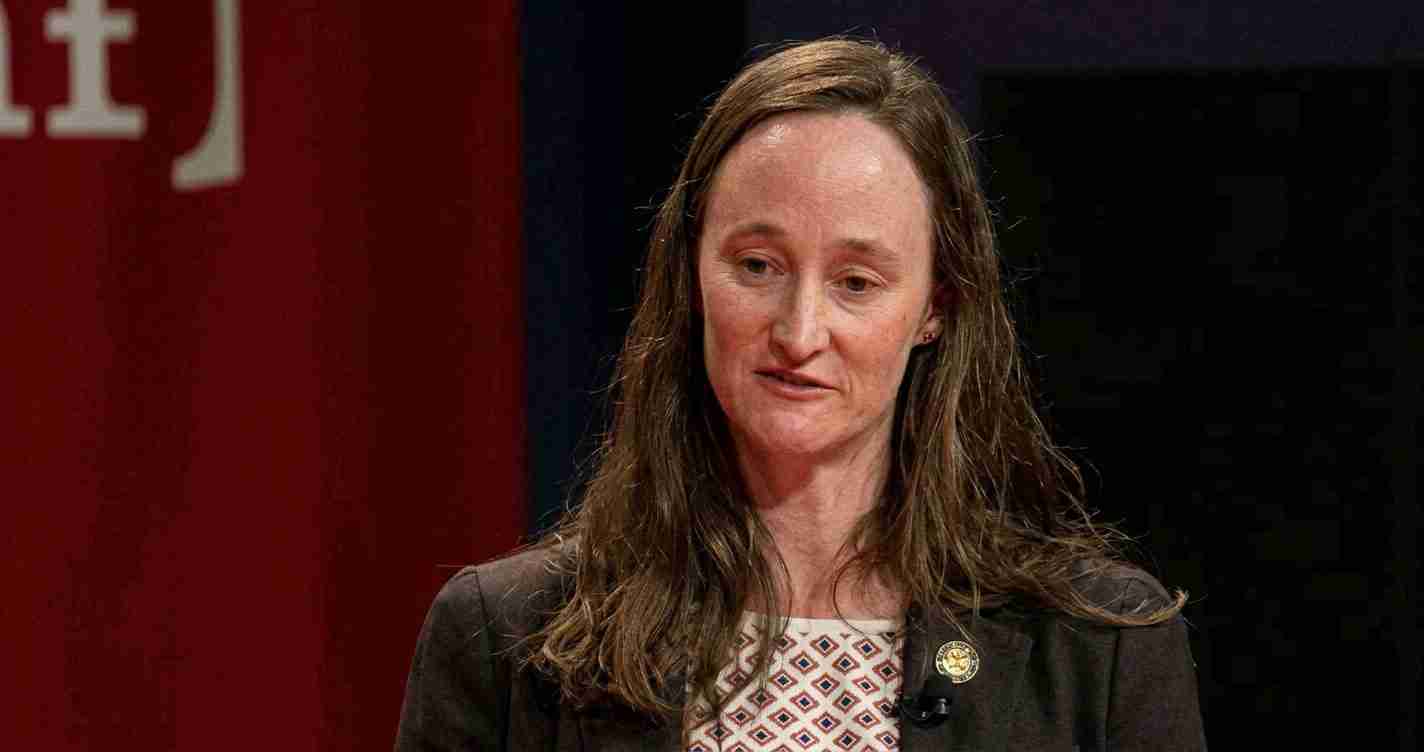
Seattle millionaires tax: Mayor Katie Wilson laughs off fears of wealthy flight, drawing sharp criticism
Seattle Mayor Katie Wilson dismissed concerns about millionaires leaving after Washington approved a 9.9% top income tax, saying “if the ones that leave, like, bye,” comments that sparked criticism from tech observers and conservative commentators.
Key takeaways
- Viral remark: At a Seattle University event, Wilson laughed and said, “if the ones that leave, like, bye”, prompting alarm in tech and conservative circles.
- Policy: The discussion centers on Washington’s new 9.9% top marginal tax on incomes above $1 million and debates over regressivity and mobility.
- Local effects: Reactions raise questions about investor confidence, migration patterns, and potential opportunities for cities like Redding, California.
What happened
On April 14, during a Seattle University Conversations event, Mayor Katie Wilson was asked about concerns that the recently approved top marginal tax rate of 9.9% on incomes over $1 million could prompt wealthy residents and businesses to leave the state. According to reporters and video, Wilson responded that a mass exodus is “super overblown” and added, “if the ones that leave, like, bye.” The exchange was captured on video and reported by local outlets, feeding swift online reaction.
Read local coverage via GeekWire coverage of the event and view the clip at Video of the April 14 exchange.
The policy in question
Reporters and participants described the discussion as centered on what some call the Seattle millionaires tax — a shorthand reference in coverage to Washington state’s new top marginal tax rate of 9.9% on incomes above $1 million. Supporters call it a corrective to Washington’s historically regressive system; critics warn it risks mobile capital and wealthy taxpayers leaving the state.
What Wilson said and how it was reported
An audience member voiced concern that higher taxes on the wealthy could push businesses and high earners out of Seattle and Washington. Wilson replied that the idea of a mass exodus was “super overblown” and, according to video and reporting, added:
“if the ones that leave, like, bye.”
The remark drew laughter and cheers from some in the audience and was widely shared online.
Technology-focused outlets reported that parts of Seattle’s tech and business community viewed the comment as tone-deaf, emphasizing that capital and talent are mobile and that public leaders should avoid signaling indifference to departures. See GeekWire coverage for details.
Policy background and the debate over regressivity
Advocates argue that Washington’s tax system is regressive — lower-income households pay a higher share of income in state and local taxes — and that taxing very high incomes helps correct that imbalance. Wilson’s campaign materials emphasize progressive revenue measures intended to fund services like libraries, parks, and emergency response; see the mayor’s plan on progressive revenue.
Opponents counter that higher top rates can shrink the tax base by driving away high earners and mobile capital. Commentary from conservative outlets framed Wilson’s “bye” remark as evidence that some progressive leaders may prioritize ideology over retaining wealth and jobs; see the National Review piece we meant to do that for one perspective.
Economic evidence and uncertainty
Scholars and policy analysts remain divided. Some studies find limited long-term migration effects from state income tax changes; others document short-term shifts in housing, business location decisions, and executive moves tied to tax policy. The Seattle debate underscores that outcomes depend on many variables — taxes are one important factor among quality of life, talent pools, housing, and public services.
Wilson’s fiscal pitch: revenue and cuts
Wilson told the Seattle audience she seeks progressive revenue options that do not increase the cost of employing people in the city — aiming to protect downtown employers from higher payroll costs relative to nearby cities like Bellevue. She also acknowledged a “large structural budget deficit” and said her budget staff will review programs to end those “that aren’t fulfilling their promise.” She framed her approach as progressive but pragmatic: raising fair revenue while cutting ineffective spending.
Reactions from tech, political, and national circles
Tech leaders and business advocates reacted sharply across social media and commentary, warning the mayor’s remarks could dent investor confidence and slow expansion plans in Seattle. Conservative commentators highlighted the clip as evidence of hostility toward wealth. Supporters of the tax argued fears of a mass exodus are exaggerated and pointed out many non-tax factors affect location decisions; they noted Wilson called claims of mass departure “super overblown.”
Context on leadership and comparisons
Wilson, a democratic socialist who won Seattle’s mayoral race in November 2025, has been compared in commentary to other progressive mayors nationally. Some observers likened her posture to New York City’s Zohran Mamdani because both campaigned on left-leaning platforms favoring stronger public services and progressive revenue, though reporting does not confirm any formal link between the leaders.
What reporters say is missing
Coverage to date concentrates on the viral clip and initial reactions. There is limited evidence in the footage about how many wealthy residents plan to leave, what types of businesses might move, or how the new tax will affect revenues and jobs over multiple budget cycles. Full transcripts and longer video are available, but comprehensive economic studies of the tax’s real-world effects will take time.
Implications for Redding, California
Economic impact:
- Business competition: If Seattle signals comfort with wealthy departures, some executives and remote workers may consider lower-cost locations; Redding could attract a modest share of those individuals, though major tech relocations are unlikely.
- State tax competition: Washington’s move adds to national experimentation with tax policy. California leaders may watch for lessons — either cautioning new taxes or considering incentives to retain businesses.
Political consequences:
- Conservative campaigns in Redding and Shasta County may use the episode to argue for fiscal restraint and business-friendly policies.
- Statewide debates in California could be influenced if Seattle’s policy results in revenue shortfalls or job losses.
Social and cultural effects:
- Demographics: Any migration will likely be selective; modest in-migration could affect housing demand and public services.
- Community values: For conservative Redding residents, Wilson’s “bye” comment may reinforce concerns that progressive urban policies undervalue private-sector contributions.
Practical steps for local leaders and residents
- Track migration and company announcements to assess real-time impacts.
- Review local tax, permit, and incentive policies to remain competitive for employers and remote workers.
- Communicate community strengths — lower costs, available workforce, quality of life — to prospective residents and businesses.
Sources and further reading
- GeekWire coverage of the event
- Video of the April 14 exchange
- Mayor Wilson campaign policy on progressive revenue
- National Review commentary
Reporting on this story will evolve as more data on the “Seattle millionaires tax” and migration patterns become available. For now, Mayor Wilson’s remarks underscore the political stakes in tax debates and how cities balance progressive goals with economic competitiveness.