
DC juvenile curfew expires as city braces for more teen takeovers; Navy Yard unrest renews debate over enforcement
Washington D.C.’s temporary juvenile curfew expired April 15, 2025, raising concerns about renewed “teen takeovers” after spring-break gatherings at Navy Yard and prompting debate over whether to extend emergency powers during peak hours, and protect local businesses.
Key takeaways
- The Juvenile Curfew Second Temporary Amendment Act of 2025 expired April 15, removing a tool that let MPD declare targeted juvenile curfew zones between 8 p.m. and 11 p.m. (Fox News, Noticias Fox).
- A separate citywide curfew from 11 p.m. to 6 a.m. remains in effect, per MPD (Fox News).
- Enforcement limits: MPD recorded roughly 280 curfew violations over two years with no arrests for violations; juveniles are typically brought to stations for parental pickup (WJLA).
- Political debate: Councilmember Brooke Pinto proposed extending the emergency rule through Sept. 25, 2025, and Mayor Muriel Bowser backed the extension; a council vote was scheduled for April 21, 2025 (Noticias Fox, Axios).
Key details
The Juvenile Curfew Second Temporary Amendment Act of 2025 authorized the Metropolitan Police Department chief to declare temporary juvenile curfew zones banning people under 18 from gathering in groups in designated high-risk areas between 8 p.m. and 11 p.m. That temporary authority expired April 15, 2025. (Sources: Fox News, Noticias Fox.)
A separate citywide curfew from 11 p.m. to 6 a.m. remains active, the MPD said. (Fox News.)
Over two years, the MPD logged roughly 280 curfew violations with no arrests for those violations; juveniles are generally brought to stations for parental pickup and may face community service, with fines possible for parents. (WJLA.)
Why the expiration matters
The curfew expiration came during spring break — a period when teenagers often gather in large groups in dining and waterfront districts like Navy Yard. City officials and business owners warn that unsanctioned “teen takeovers” can escalate quickly, harming public safety and local commerce.
Supporters say the temporary law supplied police with a clear tool to disperse large, potentially dangerous groups and to protect visitors, residents and businesses. Critics say it risks targeting marginalized youth and does not address underlying causes.
Recent incidents in Navy Yard and elsewhere
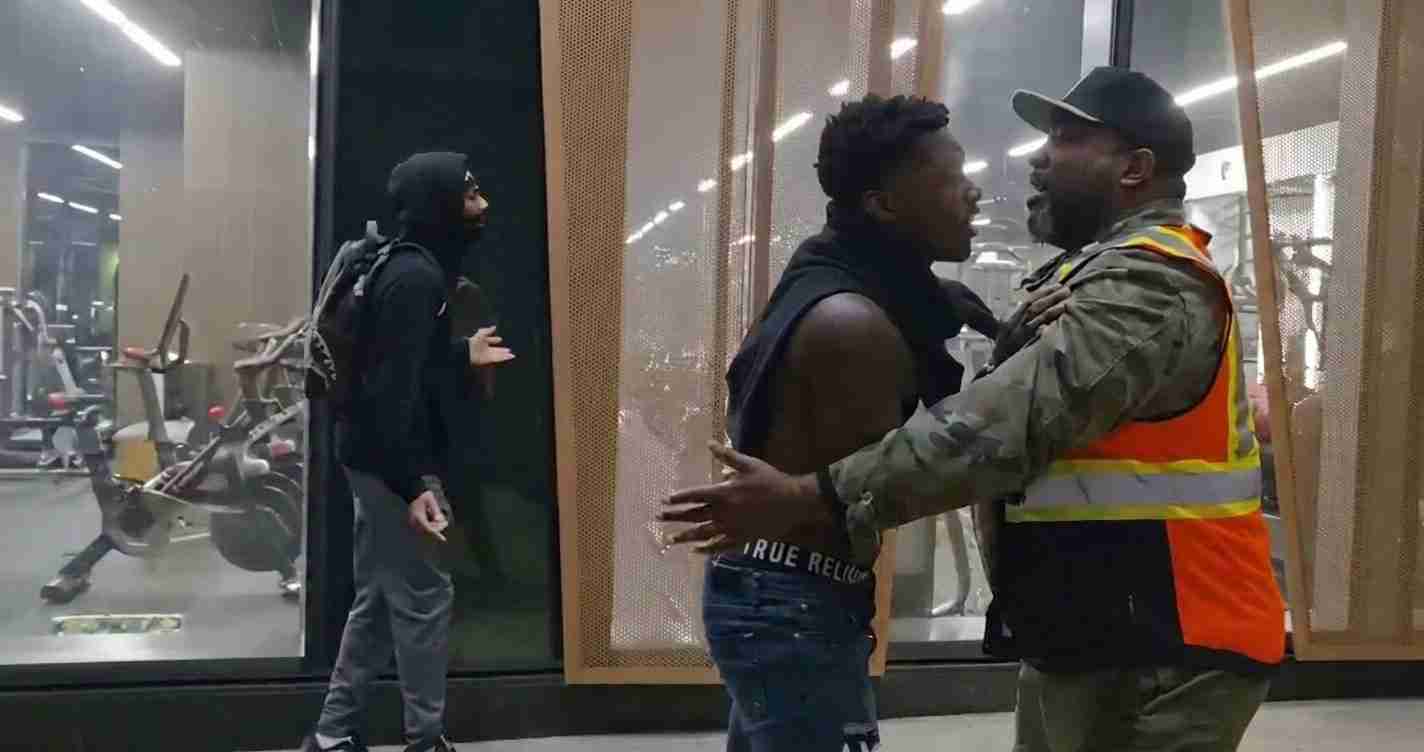
On the weekend of April 12–13, dozens and at times hundreds of young people gathered at the Navy Yard waterfront well after the juvenile curfew hours had begun. Video shared by activist Elissa De Souza showed crowds filling a busy intersection into the night; De Souza said what should have been a pleasant night out “turned into something we’re seeing far too often.” (Fox News.)
Officials reported some brief disorderly conduct, but the crowd eventually dispersed and MPD made no arrests in the curfew zone that night. Separately, four people were arrested at the nearby Waterfront Metro Station — outside the temporary curfew area — by Metro Transit Police; authorities have not released details on those arrests. (Fox News.)
Earlier this spring, other episodes included a gathering near Navy Yard Metro with about 200 teens in attendance; authorities said a 15-year-old reportedly fired a gun into the air during that event, which also involved two robberies and at least one arrest of a 16-year-old. Those incidents heightened concerns among residents and business owners. (Axios.)
Enforcement, results and limits
Under the emergency curfew law, police could declare temporary juvenile curfew zones where planned takeovers or unsafe activity were anticipated. The rule applied to groups of nine or more youths, who could be ordered to disperse.
But data and critics point to limited enforcement power: across two years MPD logged roughly 280 violations with no arrests for those violations. The typical response was transporting juveniles to a station for parental pickup and assigning community service or fines for parents. (WJLA.)
Police leaders emphasize that visible patrols and swift dispersal, backed by a legal tool to target specific zones, help deter larger incidents. They also note many teens travel from Maryland and Virginia, meaning regional coordination is important. (WTOP.)
Lawmakers push extension; vote and politics
Councilmember Brooke Pinto introduced emergency legislation to extend the curfew through Sept. 25, 2025, arguing the MPD chief needs authority to act when authorities have information about planned takeovers or unsafe activity. Her office said the measure would allow police to act proactively when viral social-media posts promote gatherings. (Noticias Fox.)
Mayor Muriel Bowser publicly backed keeping the law, calling it “a tool” that is not the only option but “has been an effective one” amid recent spikes in activity. The D.C. Council scheduled a vote for April 21, 2025 to consider the extension. (Noticias Fox, Axios.)
Community criticism and civil-rights concerns
Advocacy groups, including the Pan-African Community Action (PACA), contend the curfew targets Black working-class youth in Wards 7 and 8 and fails to address root causes such as lack of youth programming, economic opportunity and safe public spaces. PACA said: “They target Black working-class youth in Wards 7 and 8 while leaving untouched the conditions that harm communities in the first place.” (WTOP.)
Critics also point to the low arrest rate from recorded curfew violations as evidence the tool has limited teeth, and they call for greater investment in youth services and summer programming as preventive measures. (WTOP, WJLA.)
Voices from the street
Business owners and residents near Navy Yard say repeated late-night disruptions harm commerce and community life. Activist Elissa De Souza, who posted video of the latest crowd, said residents and visitors “should be able to enjoy a beautiful day, support new businesses, and have a peaceful meal without worrying about safety or disruption.” When takeovers go viral on social media, she added, they attract outsiders and strain police and local resources. (Fox News.)
Implications for Redding, California
- Public safety and business impact: Redding business owners and residents should note that unsanctioned youth gatherings in tourist and dining districts can disrupt commerce and deter customers.
- Policing tools and limits: D.C.’s experience shows temporary curfews can be a dispersal tool, but the low arrest rate highlights enforcement limits; Redding must assess enforceability and resource needs.
- Community relations: Any juvenile-focused safety measure in Redding should be paired with outreach, transparency and programming to avoid deepening distrust between residents and law enforcement.
- Youth programming and prevention: Advocates in D.C. call for expanded youth services; Redding leaders could expand supervised activities during breaks to reduce unsanctioned gatherings.
- Regional coordination: Like D.C., Redding may need coordination with nearby towns and county agencies to manage events that draw youth from a wider area.
- Legal and political considerations: Policies should be narrowly tailored, time-limited, transparent and include oversight to guard against misuse while balancing public-order concerns and civil liberties.
Sources and reporting notes
This article draws on reporting and statements from multiple outlets and local officials, including Fox News (video and reporting on Navy Yard gatherings), Noticias Fox, Axios reporting on youth curfew debates, WTOP coverage of advocates and enforcement questions, and WJLA reporting on curfew violation statistics.
Additional reporting is pending on the April 21 council vote and on the circumstances of arrests made at the Waterfront Metro Station.



