
“Gas Station Heroin” Tianeptine Alarm Spreads as More States Move to Ban Sales
Tianeptine, nicknamed “gas station heroin,” is an unapproved, opioid-like substance sold in U.S. retail outlets. High doses cause euphoria, rapid addiction and life‑threatening respiratory depression; at least 14 states have moved to restrict its sale.
- Unapproved but widely available: Products marketed as supplements or mood enhancers contain tianeptine and are sold at convenience stores, gas stations, vape shops and online.
- Opioid-like danger: At high doses tianeptine stimulates mu‑opioid receptors, producing euphoria, dependence and risk of fatal respiratory depression.
- Regulatory response: At least 14 states have moved to ban or schedule it; Connecticut is a recent addition while federal scheduling has not occurred.
What is tianeptine and why it’s called “gas station heroin”
Tianeptine is a drug developed and prescribed in some countries for depression, anxiety and irritable bowel syndrome, but it is not approved by the U.S. Food and Drug Administration (FDA) for medical use in the U.S. At low, therapeutic doses it affects serotonin systems and may boost mood; at much higher, recreational doses it acts on mu‑opioid receptors — the same receptors targeted by heroin and prescription opioids — producing strong euphoria and rapid dependence (see FDA; Mayo Clinic).
Dosage and potency concerns
Researchers and clinicians warn that recreational doses reported in the U.S. often exceed therapeutic doses used elsewhere — sometimes by orders of magnitude — and some reports suggest potency comparable to or exceeding morphine in certain cases (VCU Health; NIH).
Health risks reported by poison centers and hospitals
Poison centers and emergency departments have documented a wide range of serious effects tied to tianeptine misuse: agitation, confusion, profound drowsiness, nausea, vomiting, sweating, tachycardia, hypertension, seizures, respiratory depression and coma. Mixing tianeptine with other central nervous system depressants — including alcohol and opioids — markedly increases the risk of fatal respiratory failure (FDA; NJ Health Alert).
Clinicians note: Withdrawal from tianeptine can resemble opioid withdrawal, with intense cravings, muscle aches, diarrhea and flu‑like symptoms. Standard drug screens may not detect the drug, complicating diagnosis and treatment.
How these products are marketed and sold
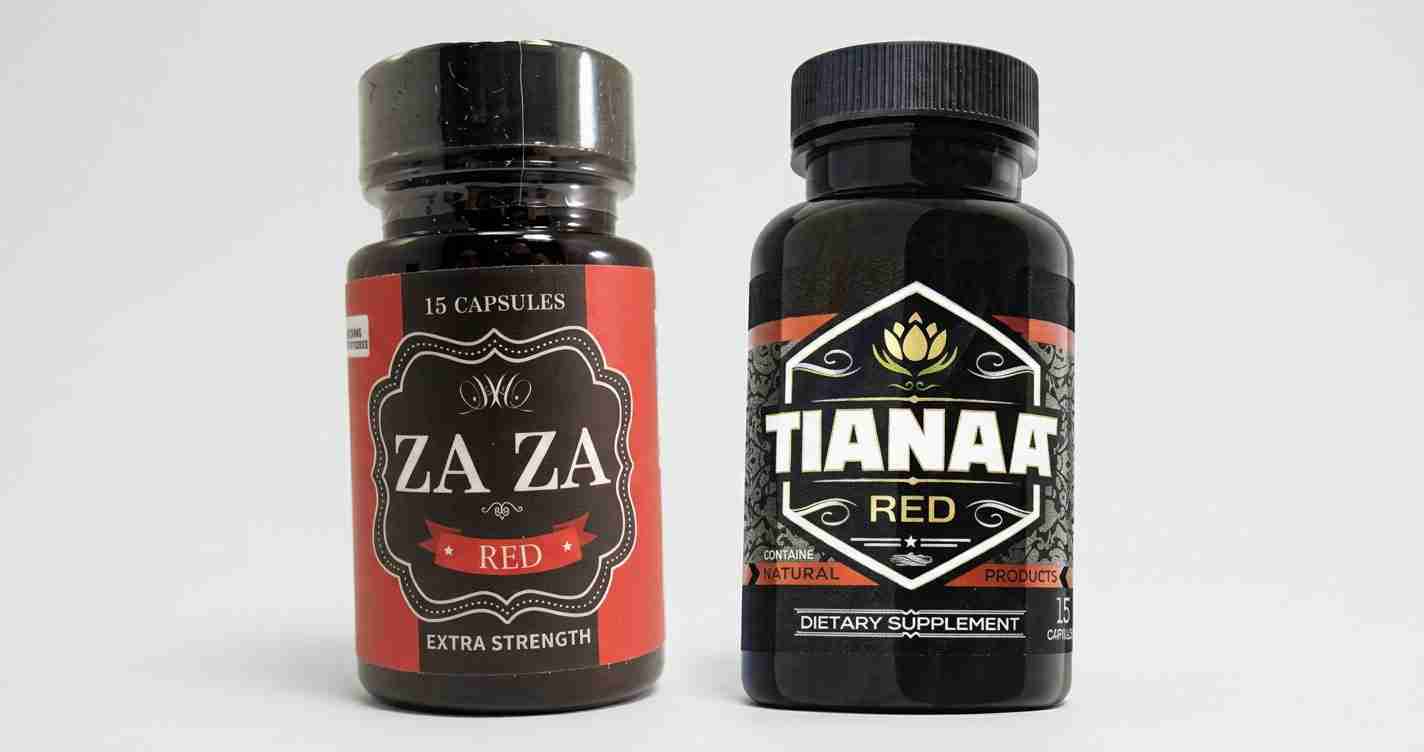
Manufacturers and retailers often label tianeptine products as dietary supplements, nootropics, mood enhancers or pain aids despite lack of FDA approval. They appear as pills, powders, salts and liquids, sometimes flavored and packaged to appeal to younger buyers. Common brand names include Tianaa, ZaZa, Neptune’s Fix, Pegasus and TD Red. Sales channels include convenience stores, gas stations, vape shops and online marketplaces — hence the nickname “gas station heroin” (FDA; Mayo Clinic).
Public health agencies have linked specific branded products to spikes in poison calls and ER visits. For example, New Jersey reported nine cases tied to products labeled Neptune’s Fix over two months in 2024, including severe cardiac rhythm problems, seizures and at least one death (NJ Health Alert).
State and federal responses
States have moved faster than the federal government to restrict sales. At least 14 states have listed tianeptine as a Schedule I substance or enacted bans; Connecticut recently added it to its controlled substance list alongside kratom and nitazenes. Virginia, North Carolina and other states acted earlier after rising poison center reports (VCU Health).
At the federal level, the FDA has issued consumer warnings and recalls for certain products and urged retailers and online platforms to stop sales. The Drug Enforcement Administration and public health officials have highlighted opioid‑like dangers, but tianeptine has not been scheduled nationally as a controlled substance. Congressional leaders have raised concerns and urged retail chains to act (House Energy & Commerce).
Voices from medicine and government
Medical leaders and state officials have called for quick action. Connecticut Lt. Gov. Susan Bysiewicz said scheduling was necessary to fight addiction and protect young people after what officials described as misleading, candy‑like marketing that endangers consumers. Emergency physicians emphasize the drug’s opioid effects and the risk of respiratory arrest; clinicians have urged national regulation and improved screening to prevent further harm.
Public health officials, poison centers and the Substance Abuse and Mental Health Services Administration recommend avoiding these products entirely and seeking treatment if dependence develops; SAMHSA maintains a confidential 24/7 support line (SAMHSA National Helpline).
Why conservative communities and law enforcement are watching closely
Tianeptine blends illicit‑drug risks with convenient retail distribution, complicating enforcement and prevention. Law enforcement and lawmakers have pressured store groups to remove suspect products after federal warnings. Congressional appeals urged convenience store chains to act in 2024 (House Energy & Commerce).
Implications for Redding, California
Economic impact
Local retailers: Convenience stores, gas stations and vape shops in Redding and Shasta County should audit inventory and remove products that contain or claim to contain tianeptine to avoid liability and enforcement risk.
Healthcare costs: Emergency room visits and ICU care for overdoses strain local hospital resources; a rise in severe cases could increase costs for providers and insurers (VCU Health; NJ Health Alert).
Political consequences
Local policy: City and county leaders may face pressure to introduce local ordinances banning tianeptine‑like products if statewide action is insufficient.
State alignment: Redding officials can press for explicit state guidance to list and ban these products, aiding retail compliance and enforcement.
Social effects
Youth protection: Candy‑flavored products pose a direct threat to children and teens; parents, schools and youth programs should be alerted to product names and appearances.
Substance‑use disorder community: People in recovery face higher risk; treatment centers and faith‑based programs should be included in outreach and education.
Cultural relevance
Framing action as protecting families and holding retailers accountable can build broad support in conservative communities. Engaging local business associations for voluntary removal of dangerous products may be faster and more effective than waiting for federal action.
Practical applications for residents
- Know the names: Be aware of product names such as Tianaa, ZaZa, Neptune’s Fix, Pegasus and TD Red and avoid unapproved supplements or mood enhancers (FDA).
- If you suspect exposure: Call local emergency services or the California Poison Control System; for substance‑use help contact SAMHSA’s National Helpline.
- Retailers: Remove suspicious products, review supplier invoices and consider signage stating unapproved substances are not sold on premises to protect reputation and limit enforcement risk.
Sources and further reading
- FDA: New “gas station heroin” (tianeptine) product trend
- VCU Health: What you need to know about gas station heroin
- Mayo Clinic: Tianeptine: Is safe use possible?
- National Library of Medicine / NIH research summary
- New Jersey Health Alert on tianeptine and Neptune’s Fix
- House Energy & Commerce press materials on gas station heroin
- SAMHSA National Helpline
Reporting by Times Media Service staff; local inquiries for Redding‑area officials and health providers were included to outline regional implications.



